Curtis.Castiglione@ROzebra.com

Exhaust Manifold Repair Cost Guide
By Curtis Castiglione
If you have noticed a loud ticking sound coming from your engine bay or a faint smell of raw exhaust inside your cabin, you are likely facing an exhaust manifold issue. For most vehicle owners, the primary concern is the financial impact.
An exhaust manifold repair cost typically ranges from $400 to $2,000. While most standard passenger vehicles will fall into the $600 to $1,000 range, high-end luxury vehicles, heavy-duty trucks, or complex turbocharged engines can occasionally exceed the $2,000 mark.
The wide price gap is due to the varying nature of the failure. A simple gasket replacement is far less expensive than replacing a warped manifold or extracting broken mounting bolts. This guide will break down what you are paying for, why the labor is so intensive, and how to ensure you are getting a fair deal at the repair shop.
What Is an Exhaust Manifold?
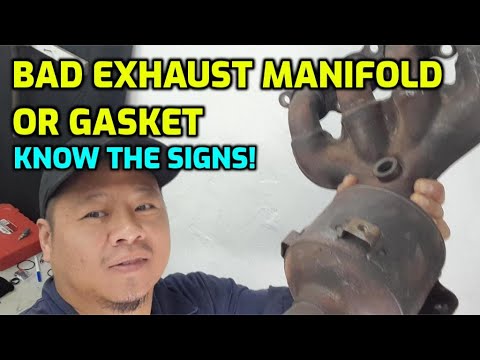
The exhaust manifold is a heavy-duty component, usually made of cast iron or stainless steel, that is bolted directly to the engine's cylinder head. Its job is to collect the hot exhaust gases from the engine cylinders and funnel them into a single pipe that leads to the rest of the exhaust system.
Because it is the first point of contact for gases leaving the combustion chamber, the manifold operates under extreme thermal stress. It can heat up to over 1,200 degrees Fahrenheit and then cool down rapidly when the engine is turned off. This constant expansion and contraction eventually lead to the most common failures:
- Cracks: The metal literally splits under thermal stress.
- Warping: The surface of the manifold twists, breaking the airtight seal against the engine.
- Failed Gaskets: The seal between the engine and the manifold burns out.
- Broken Bolts: The mounting studs snap off due to brittleness and corrosion.
Average Exhaust Manifold Repair Cost
When calculating how much does an exhaust manifold repair cost, you must consider your specific vehicle’s engine configuration. A four-cylinder engine has one manifold, while V6 and V8 engines have two. If only one side is leaking, you only pay for one repair, but if both are failing, the price effectively doubles.
- Total estimated repair range: $400 – $2,000+
- Average labor time: 3 to 8 hours
Note: Total repair prices vary by geographic location, vehicle year/make/model, engine type, parts selection, local labor rates, taxes, and shop fees.
Parts Cost
The exhaust manifold price varies significantly based on the vehicle's design and the quality of the replacement part.
- Standard Manifolds: A cast iron manifold for a common sedan might cost between $100 and $300.
- "Maniverters": Many modern vehicles use an integrated exhaust manifold and catalytic converter. These units are much more expensive, often ranging from $600 to $1,200 for the part alone.
- Hardware and Gaskets: You will also pay for a new gasket set and potentially new mounting hardware (bolts or studs). These smaller parts usually add $30 to $100 to the bill.
Labor Cost
The exhaust manifold labor cost is often the largest portion of the invoice. Labor rates typically range from $100 to $220 per hour depending on your location and the type of shop. Because manifolds are located in cramped engine bays and are prone to heavy rust, the "book time" (the estimated time a job should take) can be 3 to 5 hours. However, complications can quickly push that into a full day of work.
What Can Make the Repair More Expensive?
The single biggest factor that increases the exhaust manifold replacement cost is broken bolts. Because these bolts spend years being heated and cooled, they become brittle and often seize into the engine block.
If a technician attempts to remove the manifold and a bolt snaps off inside the cylinder head, the repair becomes much more difficult. Extracting these broken studs requires specialized tools, precision drilling, and significant time. This can add several hundred dollars in labor to your final bill.

Other factors include:
- Engine Access: On some trucks and SUVs, technicians may need to remove inner fender liners or even lift the vehicle's cab slightly to access the bolts.
- Turbochargers: In many modern engines, the manifold is connected to the turbocharger. This adds hours of labor to remove oil and coolant lines.
- Dual Exhaust: V-style engines have two manifolds. If both are leaking, you are essentially paying for two separate repairs.
Dealership vs. Independent Repair Shop
Where you take your vehicle will have a major impact on the final exhaust manifold price.
- Dealership: These shops provide factory-trained technicians and Original Equipment Manufacturer (OEM) parts. This is usually the most expensive option, often costing 30% to 50% more than an independent shop. However, if your vehicle is under a powertrain or emissions warranty, the repair may be covered.
- Independent Repair Shop: These shops generally offer lower labor rates and the option to use high-quality aftermarket parts, which can save you hundreds of dollars.
- Specialty Exhaust Shop: These shops are often the best choice if you have multiple broken bolts. They specialize in extraction and resurfacing, which can sometimes save you from having to buy a brand-new manifold if the old one is simply warped rather than cracked.
Can You Drive With This Problem?
A common question for budget-conscious owners is: can I drive with a cracked exhaust manifold?
The answer is yes, but only for a short time and with caution. A leaking manifold releases raw exhaust gases, including carbon monoxide, into the engine compartment. These fumes can enter the passenger cabin through the ventilation system, posing a serious health risk to the driver and passengers.
Furthermore, the hot gases escaping from a crack can melt nearby plastic components, sensors, or wiring harnesses. Long-term, an exhaust leak can cause the engine to run "lean" (too much air, not enough fuel), which may damage your valves or clog your catalytic converter, leading to much more expensive repairs later.
How to Avoid Paying for Unnecessary Repairs
Before you agree to a full manifold replacement, ensure the shop has performed a proper diagnosis. A noisy exhaust is not always a cracked manifold; it could be a simple flange gasket, a cracked flex pipe, or even a loose heat shield.
Ask the shop to perform a smoke test. By pumping thick smoke into the exhaust system, the technician can visually identify exactly where the leak is coming from. If the smoke comes from the edge where the manifold meets the engine, it might just need a new gasket or a single replaced bolt rather than a whole new manifold.

Additionally, do not assume an OBD-II trouble code (like P0420) automatically means the manifold is dead. While a leak can trigger this code, the actual issue could be a faulty oxygen sensor or a hole further down the exhaust pipe.
Questions to Ask the Repair Shop
Before approving the work, ask these questions to ensure you aren't overpaying:
- Is the manifold actually cracked, or is it just a failed gasket or a broken bolt?
- Does the estimate include the cost of extracting broken studs if they snap during removal?
- Are you using an OEM part or an aftermarket equivalent?
- Is this a "maniverter" (integrated catalytic converter) or a standard manifold?
- Should we replace the oxygen sensors while the manifold is already off? (This can save labor costs later).
Bottom Line
An exhaust manifold repair is a labor-intensive job that requires patience and skill, especially when dealing with rusted hardware. While the price range is broad, most owners can expect to pay around $800 for a quality repair.
Is exhaust manifold repair worth it? Absolutely. Ignoring the problem can lead to safety hazards from carbon monoxide and much more expensive engine or emissions system damage down the road. To get the best value, confirm the exact location of the leak through a diagnostic smoke test and choose a reputable independent shop if your vehicle is out of warranty.



No Comments Yet
Be the first to comment on this article.