Curtis.Castiglione@ROzebra.com
Engine Misfire Guide: Causes, Symptoms, and Repair Costs
Have you ever been sitting at a red light and noticed your car start to tremble, almost as if it is shivering? Or maybe you are merging onto the highway, you step on the gas, and instead of a smooth surge of power, the car stumbles, jerks, or feels like it has a sudden case of the hiccups. These sensations are often accompanied by a glowing or, even worse, a flashing check engine light on your dashboard.
In the automotive world, we call this an engine misfire, and it is one of the most common reasons customers bring their vehicles into my shop. As a technician, I think of an engine misfire as a break in the rhythm. Your engine relies on a perfectly timed explosion inside each cylinder to create power. For that explosion to happen, three things must arrive at the exact same moment: a precise amount of fuel, a specific volume of air, and a strong spark. If any of those three are missing, or if the cylinder cannot hold enough pressure to squeeze them together, the combustion cycle fails. That thump or stumble you feel is the engine literally skipping a beat.
9 Common Causes of an Engine Misfire
When you bring your car in, the first thing I do is plug in a diagnostic scanner to see which cylinders are struggling. While the computer provides codes like P0300 (random misfire) or P0301 through P0304 (specific cylinders), it does not always tell us exactly what part failed. Here are the nine most common culprits:
- Worn Spark Plugs: The most frequent offender. Over tens of thousands of miles, spark plugs wear down, increasing the gap the electricity has to jump. Eventually, the spark becomes too weak to ignite the fuel.
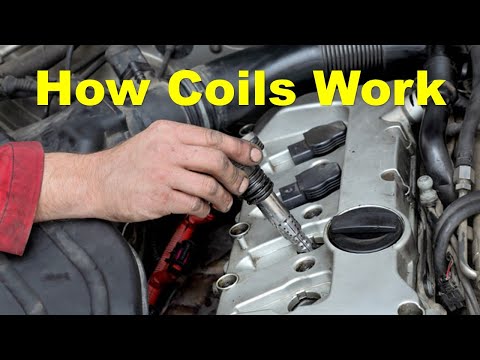
- Bad Ignition Coil: Modern engines use a coil-on-plug system where each plug has its own coil. If a coil shorts out, that cylinder loses spark entirely.
- Faulty Fuel Injector: A clogged or failed injector cannot spray the correct amount of gasoline, preventing proper combustion.
- Vacuum Leak: This allows unmetered air into the engine, creating a lean condition where there is too much air and not enough fuel to ignite.
- Low Engine Compression: If internal parts like piston rings or valves are worn, the cylinder cannot maintain the pressure needed for a healthy explosion.
- Dirty Mass Air Flow (MAF) Sensor: This sensor measures incoming air. If it is dirty, the engine computer may deliver the wrong amount of fuel.
- Bad Crankshaft or Camshaft Sensors: These sensors act as the engine's eyes and ears. If they provide bad data, the timing of the spark or fuel will be off.
- Fuel Pressure Problems: A weak fuel pump or clogged filter can starve the engine of fuel, especially during acceleration.
- Timing Problems: A stretched timing chain or worn belt can throw the entire engine out of synchronization, leading to multiple cylinder misfires.
Identifying the Symptoms
Beyond the obvious shaking, you might notice:
- Rough idling when stopped.
- Hesitation or jerking when you step on the gas.
- A significant drop in fuel economy.
- Hard starting in the morning.
- A flashing check engine light during heavy acceleration.
Is It Safe to Drive?
One question I get constantly is: Is it safe to drive? Here is my professional rule of thumb. If the check engine light is solid and the car is just acting a bit sluggish, you can usually limp it to the shop.
However, if that check engine light is flashing, stop driving immediately. A flashing light indicates a catalyst-damaging misfire. This means raw, unburnt fuel is being dumped into your exhaust system and hitting your white-hot catalytic converter. This can melt the internals of the converter in minutes, turning a simple spark plug repair into a multi-thousand-dollar exhaust overhaul.

Repair Costs: What to Expect
The cost of fixing a misfire varies wildly depending on whether the issue is a simple maintenance item or an internal engine problem.
| Repair Component | Typical Cost (Parts and Labor) |
|---|---|
| Spark Plugs | $150 – $400 |
| Ignition Coil | $150 – $450 |
| Fuel Injector | $300 – $1,200 |
| Mass Air Flow Sensor | $250 – $600 |
| Vacuum Leak Repair | $150 – $700 |
| Fuel Pump | $700 – $1,600 |
| Camshaft/Crankshaft Sensor | $200 – $600 |
| Timing Chain Repair | $1,200 – $3,500 |
| Head Gasket (Compression) | $2,000 – $5,000+ |
Advice from the Shop Floor
When you talk to your mechanic, be as descriptive as possible. Tell them if the shaking only happens when the engine is cold, or if it only happens when you are sitting at a stoplight with the air conditioning on. These details help us narrow down whether we are looking for a vacuum leak, a tired battery, or a failing ignition coil.
An engine misfire is your car's way of crying for help. While it might start as a minor annoyance, ignoring it is a recipe for a major breakdown. Catching it early will keep your engine running smoothly and your repair bills manageable.



No Comments Yet
Be the first to comment on this article.