Curtis.Castiglione@ROzebra.com

Engine Diagnostic and Replacement Strategy
Learning Outcomes:
- Differentiate between localized repairs and total engine failure.
- Execute a multi-point diagnostic check including compression and lubrication.
- Identify and remediate the root cause to ensure replacement longevity.
Diagnostic Protocol and Replacement Criteria
Engine replacement is a high-stakes decision. Do not recommend it based on a warning light or minor noise alone. Justify the cost through rigorous physical evidence.
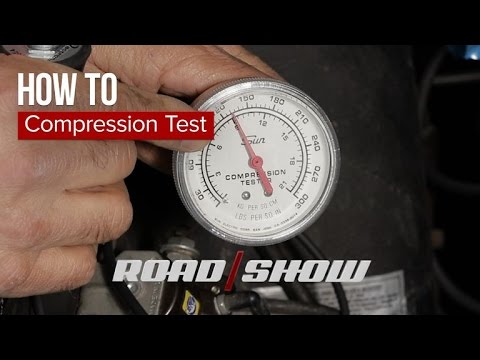
- Conduct compression and leak-down tests to confirm internal mechanical integrity.
- Inspect fluids for cross-contamination or metal particulates.
- Borescope cylinders for scoring or piston damage.
- Measure oil pressure against manufacturer specifications.
- Scan for Diagnostic Trouble Codes (DTCs) to isolate electronic vs. mechanical faults.

Evaluate repair viability. External component failures or limited top-end damage rarely justify full core replacement. A long-block is only practical when damage is pervasive, structural, or cost-prohibitive to repair.
Isolate the root cause. If a cooling system failure killed the original engine, the new unit will suffer the same fate. Repair the source of failure during installation. Your objective is a total system recovery, not a simple component swap. Verify the integrity of all supporting systems before finalizing the repair order.
Pro-Tip: Always replace the oil cooler and flush the radiator to prevent debris from contaminating the new long-block assembly.



No Comments Yet
Be the first to comment on this article.