Curtis.Castiglione@ROzebra.com

Differential Maintenance and Leak Diagnosis
Learning Outcomes
- Identify physical signs of differential fluid loss.
- Recognize auditory symptoms of internal gear wear.
- Prevent catastrophic gear failure through proactive seal replacement.
Critical Differential Failure Prevention

Differential fluid manages immense torque and prevents metal-on-metal contact. When levels drop, friction spikes. Heat expands internal components beyond design tolerances, leading to rapid bearing degradation and gear pitting. Early detection separates a simple seal replacement from a total axle overhaul.
Leaks manifest as thick, dark oil coating the housing, pinion, or wheel ends. Do not ignore these stains. A dry differential creates excessive heat that can seize bearings. Once a differential begins humming or whining under load, the damage is likely structural. Monitoring fluid condition is as vital as monitoring volume. Metallic flakes in the oil indicate active component destruction. Catching a leak at the seal stage saves thousands in parts and labor.
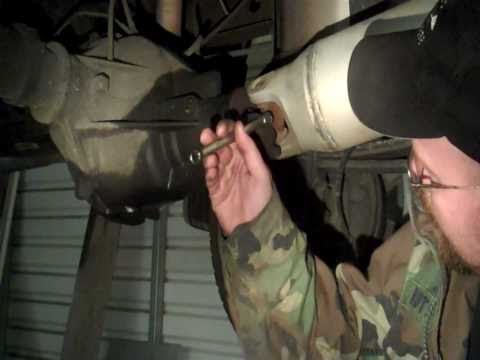
Inspection Steps:
- Wipe the housing clean to identify the precise leak source.
- Inspect the pinion seal and axle ends for weeping fluid.
- Remove the fill plug to check fluid level and clarity.
- Analyze drained fluid for burnt odors or metallic particles.
Pro-Tip: Humming indicates gear misalignment from wear; a fluid top-off will not fix existing mechanical damage.



No Comments Yet
Be the first to comment on this article.