Curtis.Castiglione@ROzebra.com

Defending the Service Drive: Arbitration Strategy
When a customer dispute escalates beyond the service drive and bypasses standard manufacturer goodwill adjustments, it often lands in the domain of formal arbitration. For fixed operations directors and service managers, this transition represents a critical shift from mechanical problem-solving to administrative and legal defense.
Arbitration is a private, quasi-judicial process where a neutral third party—often administered through the Better Business Bureau (BBB) Auto Line or private dispute resolution services—evaluates the dealership’s performance against consumer protection statutes and lemon law criteria. In this arena, technical proficiency alone is insufficient. Success is rarely determined by who is the loudest; it is determined by who is better documented. To protect the dealership’s assets and reputation, management must treat every arbitration filing as a formal challenge to the shop’s operational integrity.

The Three Arbitration Formats: Tactical Requirements
Arbitration proceedings typically manifest in one of three formats. Each requires a specific tactical approach to evidence presentation and communication to ensure warranty indemnification and protect the dealer's interests.
1. Written (Documentary) Hearings
In a paper-only hearing, the arbitrator renders a binding or non-binding decision based entirely on the written submissions. There is no live testimony or verbal clarification.
- The Strategy: This format places a premium on the technical accuracy and legibility of your Repair Orders (ROs). In a written hearing, your technician’s notes are your only witness.
- The Requirement: Every Diagnostic Trouble Code (DTC) scan, referenced Technical Service Bulletin (TSB), and multi-point inspection (MPI) video must be included. If a diagnostic step was performed but not recorded on the RO, the arbitrator will legally assume it never occurred.
2. Telephonic or Virtual Hearings
Conducted via conference call or video platforms, these hearings require a designated dealership representative—usually the Service Director or a technical expert—to present the dealership’s position verbally.
- The Strategy: The challenge here is maintaining professional composure and technical precision without the benefit of face-to-face social cues.
- The Requirement: Success depends on the ability to translate complex mechanical failures into layman’s terms while remaining strictly objective. Ensure you are in a quiet, dedicated space with immediate access to the vehicle’s entire service history to answer the arbitrator's questions without hesitation.
3. In-Person Hearings
The most formal environment, these typically take place in a conference room. They allow for the presentation of physical evidence, such as failed components, and live testimony from shop foremen or manufacturer field service engineers.
- The Strategy: Management must manage both the physical evidence and the professional optics of the staff under direct questioning.
- The Requirement: This format requires the highest level of preparation. You must be ready to reference factory service manuals and demonstrate that every action taken by the dealership was in strict accordance with manufacturer standards.

Strategic Protocols for Arbitration Preparedness
To ensure your dealership maintains a bulletproof defense, fixed operations management should implement a standardized preparation protocol for every case that enters the arbitration queue.
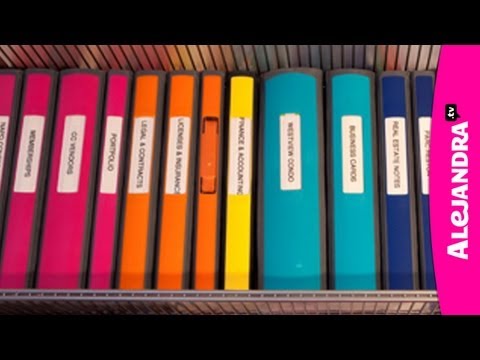
Construct a Chronological Evidence Binder
This document should serve as the definitive record of the vehicle’s history. It must be organized, tabbed, and include:
- Every Repair Order in chronological sequence.
- Complete DTC scan reports and manufacturer-required diagnostic worksheets.
- Photos of vehicle damage, aftermarket modifications, or evidence of customer neglect.
- A comprehensive log of all customer communications, including emails and timestamped advisor notes.
Prioritize Objectivity Over Emotion
Arbitrators are trained to look for facts, manufacturer standards, and service records—not frustrations regarding a customer’s tone or personality. Any communication provided to the arbitrator should avoid disparaging the customer. Instead, focus the narrative strictly on the technical facts: what the customer reported, what the technician observed, what the factory manual dictated, and the resulting outcome.
Coordinate with Manufacturer Counsel
In many warranty-related disputes or lemon law claims, the dealership and the manufacturer share indemnification interests. Before any hearing, the Service Director must coordinate with the manufacturer’s zone representative or legal counsel. This ensures the dealership’s defense does not inadvertently contradict corporate warranty policies or technical positions, which could lead to a loss of manufacturer support or a manufacturer document request that catches the shop off guard.
Operational Readiness Assessment
To evaluate your service department’s ability to withstand the scrutiny of a formal hearing, management should execute an internal review based on these three critical questions:
- Administrative Integrity: Is our documentation process robust enough to provide a clear, chronological narrative of a repair to a third party who has no mechanical background?
- Professional Testimony: Are our service managers and shop foremen trained to provide objective, factual testimony that focuses on manufacturer standards rather than personal opinions?
- Risk Identification: Do we have a proactive protocol for identifying high-risk ROs—those with multiple repeat repairs for the same concern—before they reach the level of a small claims summons or arbitration request?
Actionable Implementation Steps
- Audit Current ROs: Review five random comeback ROs this week. If they went to arbitration tomorrow, would the technician's notes defend the dealership’s actions under independent scrutiny?
- Designate an Arbitration Lead: Assign one individual (typically the Service Director) to be the point of contact for all external dispute escalations to ensure a consistent defense strategy and alignment with corporate franchise agreements.
- Standardize the Binder: Create a digital or physical template for an Arbitration Evidence Packet so your team isn't scrambling when a notice arrives.
Arbitration is a test of your dealership’s administrative integrity and technical discipline. By treating every repair order as a potential legal document and every customer escalation as a potential hearing, you ensure that your fixed operations team remains protected against the financial and reputational risks of consumer disputes.
Written by Curtis Castiglione



No Comments Yet
Be the first to comment on this article.