Curtis.Castiglione@ROzebra.com

Complete Car Maintenance Mileage Guide
Maintaining a vehicle is a proactive process that helps ensure safety, reliability, and long-term value. Rather than waiting for a warning light to appear or a component to fail, following a structured maintenance plan allows you to address wear and tear before it becomes a costly repair.
While every vehicle has unique requirements, understanding the complete car maintenance schedule and what you should check at every mileage interval can help you stay ahead of potential issues and keep your car on the road for years to come.
The Most Important Rule: Consult Your Manual
The most critical thing to understand about vehicle care is that there is no universal schedule. A heavy-duty pickup truck used for towing across the desert has vastly different needs than a subcompact hybrid used for short city commutes.
Your primary resource should always be the owner’s manual or the manufacturer’s official maintenance supplement. These documents provide specific intervals for your vehicle’s year, make, model, and engine type.
Normal vs. Severe Driving Conditions
Maintenance intervals are typically divided into two categories. Many drivers unknowingly fall into the severe category, which requires more frequent service. Severe conditions include:
- Frequent short trips (under five miles).
- Driving in extreme heat or freezing temperatures.
- Stop-and-go city traffic or extended idling.
- Towing trailers or carrying heavy loads.
- Driving in dusty, muddy, or salty environments.
Every Few Thousand Miles: The Fundamentals
At the most basic level, maintenance involves regular check-ups every 3,000 to 7,500 miles, depending on the type of oil your vehicle requires (conventional vs. synthetic).

- What the service is: This focus is on lubrication and basic safety.
- What is typically checked or replaced: The engine oil and oil filter are changed. A technician will also check tire pressure, tread condition, and fluid levels for the windshield washer and power steering systems.
- Why it matters: Engine oil lubricates moving parts and carries away heat. Over time, it breaks down and becomes contaminated, which can lead to friction and internal damage.
- What happens if neglected: Skipping oil changes can lead to sludge buildup, reduced fuel economy, and eventually complete engine failure.
5,000 to 10,000 Miles: Safety and Longevity
As you reach these milestones, the focus shifts toward preserving the life of your tires and ensuring your stopping power is sufficient.
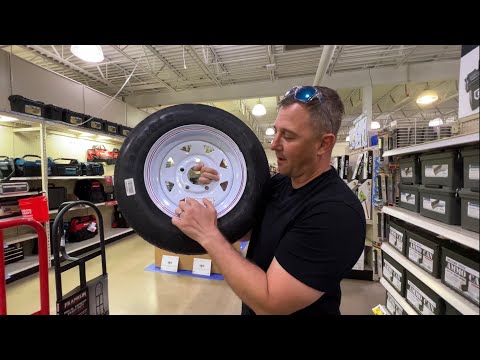
- What the service is: This often involves a tire rotation and a multi-point inspection.
- What is typically checked: Technicians rotate tires to ensure even wear across all four wheels. They will also inspect the brake pads, rotors, and calipers for wear, and check the suspension and steering components for any play or damage.
- Why it matters: Tires rarely wear evenly on their own due to weight distribution and steering forces. Rotating them extends their lifespan. Inspecting brakes ensures you have enough friction material left to stop safely.
- What happens if neglected: Uneven tire wear leads to vibrations and the need for premature tire replacement. Neglected brakes can lead to metal-on-metal contact, which makes repairs significantly more expensive.
30,000 Miles: System Protection
The 30,000-mile mark is often when more specialized filters and systems require attention to keep the engine breathing properly.

- What the service is: This milestone usually includes the replacement of various air filters and a comprehensive inspection of the fuel and cooling systems.
- What is typically checked: The engine air filter and cabin air filter (which cleans the air inside the passenger compartment) are commonly replaced. A technician may also inspect the coolant strength and check for leaks in hoses or the radiator.
- Why it matters: A dirty engine air filter can restrict airflow, affecting performance, while a clogged cabin filter reduces the efficiency of your heating and air conditioning (HVAC) system.
- What happens if neglected: A restricted air filter can cause the engine to work harder, potentially lowering fuel efficiency. A neglected cooling system can lead to overheating, which is one of the most common causes of major engine damage.
60,000 to 90,000 Miles: Major Component Care
This range represents a significant milestone. Many components designed for long-term use may finally reach their service limit.
- What the service is: This often includes replacing vital fluids and ignition components.
- What is typically checked: Depending on the manufacturer, this may be the time to replace spark plugs, transmission fluid, differential fluid, and engine coolant. Technicians will also perform a deep inspection of the drive belts (serpentine belts) for cracks or fraying.
- Why it matters: Spark plugs eventually foul or wear down, leading to engine misfires. Transmission fluid breaks down due to heat, which can affect shifting quality and internal gear protection.
- Factors that change the interval: If you frequently tow or drive in mountainous terrain, you may need to service your transmission and differential fluids much earlier than a driver who only uses the highway.
100,000 Miles and Beyond: High-Mileage Maintenance
Once a vehicle passes 100,000 miles, maintenance becomes highly individualized based on how the car was treated in its earlier years.

- What the service is: Continued preventive care with an emphasis on wear items like rubber bushings and sensors.
- What is typically checked: Components such as oxygen sensors, water pumps, and suspension bushings may require replacement.
- The Timing Belt Warning: On vehicles equipped with a timing belt (rather than a timing chain), this is often the critical window for replacement.
- What happens if neglected: Failure of a timing belt on many engines can cause catastrophic, non-repairable internal engine damage the instant it snaps.
Mileage vs. Time: Why Age Matters
It is important to remember that some maintenance is time-based rather than mileage-based. Even if you do not drive often, certain components degrade:
- Brake Fluid: This fluid absorbs moisture from the air over time, which can lead to internal corrosion in the braking system.
- Rubber Components: Tires, belts, and wiper blades can dry rot and crack as they age, regardless of how many miles are on the odometer.
- Batteries: Most car batteries have a lifespan of 3 to 5 years, regardless of mileage.
Questions to Ask Your Repair Shop
Before approving maintenance work, use these questions to ensure you are making an informed decision:
- Is this service required by the manufacturer at this mileage? This helps you distinguish between factory-required items and dealer-recommended add-ons.
- Can you show me the condition of the fluid or part? A good technician can show you dirty filters or dark, burnt fluid compared to fresh samples.
- What is the priority level? Ask if an item is a safety concern that needs immediate attention or a minor leak that can be monitored until the next visit.
The cost of maintenance varies based on the vehicle type, local labor rates, and the quality of parts used. Investing in preventive maintenance is almost always significantly cheaper than the repairs required after a major system failure. By following the complete car maintenance schedule and consulting your manufacturer’s guidelines, you can protect your investment and enjoy a more reliable, safer driving experience.



No Comments Yet
Be the first to comment on this article.