Curtis.Castiglione@ROzebra.com

Collision Damage: Suspension and Wheel Bearings
By Curtis Castiglione
When a 2018 Subaru Outback is involved in a front-corner collision, the most obvious damage is usually a crumpled fender or a scraped bumper. However, for a vehicle equipped with precision All-Wheel Drive (AWD) and advanced safety sensors, the damage you cannot see is often more critical than the damage you can.
Many owners are surprised when a car that drives fine after an accident ends up needing thousands of dollars in mechanical repairs. Understanding how energy moves through a vehicle during an impact will help you navigate the insurance claim process and ensure your car is truly safe to drive.
Does insurance cover suspension and wheel bearing damage?
The short answer is yes, provided the damage is a direct result of the accident and not caused by pre-existing wear and tear.
On a vehicle like the Subaru Outback, a front-corner impact sends a shockwave of energy through the wheel and tire directly into the drivetrain and suspension. While an insurance adjuster might only write an estimate for a scuffed rim or a dented fender during an initial visual inspection, the hidden mechanical damage is often discovered later during the diagnostic phase.
Why did my initial insurance estimate change?
It is common for an initial insurance estimate to increase—sometimes significantly—once the vehicle reaches a repair facility. This is known as a supplement.
Insurance adjusters often perform field inspections in driveways or parking lots where they can only document visible damage. Once a technician gets the car on a lift and performs a teardown, the reality of the damage surfaces.

Typical hidden issues discovered during teardown include:
- Hidden Bends: The force required to dent a wheel is often enough to bend a strut or a control arm.
- Alignment Failures: If a vehicle is put on an alignment rack and the measurements cannot be brought back to manufacturer specifications, it is physical proof that a component is bent or shifted.
- Hub and Bearing Damage: Impacts that hit the face of the wheel often compress the internal components of the hub, which cannot be seen until the wheel is removed.
The Danger of a Crooked Steering Wheel
If your Subaru drives straight but the steering wheel is off-center, you are looking at a major red flag. In a modern suspension system, the steering wheel is mechanically and electronically linked to the wheels. A crooked steering wheel usually indicates a bent tie rod, control arm, or steering knuckle.
Crucial Advice: Never allow a shop to simply adjust a crooked steering wheel back to center without a full suspension teardown.
Modern vehicles use specific grades of high-strength steel and aluminum designed to deform to protect the cabin. Once these parts are bent, their structural integrity is compromised. Attempting to align a car with bent parts will result in offset readings that can cause the vehicle’s traction control and safety systems to malfunction.

The Invisible Injury: Wheel Bearing Brinelling
One of the most misunderstood types of collision damage is to the wheel bearing. Wheel bearings are precision-engineered components containing hardened steel balls or rollers.
When a wheel takes a side impact, those steel rollers can be slammed into the bearing race with immense force. This creates tiny indentations known as brinelling. You may not hear a growl or hum immediately after the accident, but the bearing is now a ticking time bomb that will likely fail within a few thousand miles.
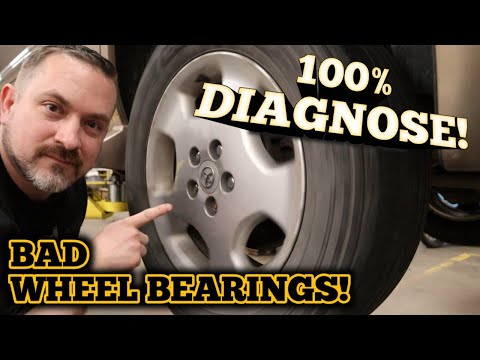
If your repair shop can document a direct hit to the wheel, many insurance companies will cover the replacement of the hub and bearing assembly as a preventative measure. However, if the bearing was already noisy due to high mileage or old age, the insurance company may categorize the repair as betterment, meaning the owner may be responsible for a portion of the cost since a worn part is being replaced with a brand-new one.
Why Alignment Affects Subaru EyeSight and ADAS
The 2018 Subaru Outback relies heavily on the EyeSight Driver Assist system. This system uses cameras to monitor lane lines and the distance between vehicles.
EyeSight operates on the assumption that the vehicle’s suspension is perfectly aligned. If the suspension is damaged and the car is "dog-tracking" (driving slightly sideways), the cameras will not be looking exactly where the car is headed.
After any suspension repair or alignment, several steps are mandatory:
- A Four-Wheel Alignment: This ensures all four wheels are square to the chassis.
- Steering Angle Sensor (SAS) Reset: This tells the computer exactly where center is.
- ADAS Calibration: This may be necessary to ensure that features like Pre-Collision Braking and Lane Keep Assist function accurately.
What to do if your insurance company and repair shop disagree
Disagreements often arise over whether a mechanical part was damaged in the accident or failed due to wear. To resolve this, you should:
- Request an Alignment Print-out: This is the best physical evidence. If the "Before" readings show the wheels are out of spec in a way that correlates with the impact, the insurance company is much more likely to pay for the repair.
- Check Manufacturer Position Statements: Subaru has specific guidelines regarding the use of Original Equipment Manufacturer (OEM) parts for safety-critical components like steering knuckles and hubs.
- Review Your Policy: Some policies allow for recycled (used) or aftermarket suspension parts. Ask your shop if these parts meet the safety requirements of your specific vehicle.
Questions to Ask Your Service Advisor
Before authorizing repairs or picking up your vehicle, ensure these four questions are answered:
- Can I see the before-and-after alignment report? This confirms the vehicle is back within factory specifications.
- Did you check the wheel bearing for play or roughness? Even if it is silent now, it should be inspected for physical damage.
- Were the ADAS systems and the steering angle sensor recalibrated? This is vital for the EyeSight system to function safely.
- Was the steering rack inspected for internal damage? Shock loads from a curb or another vehicle can damage the internal gears of the rack.
Mechanical integrity is just as important as a flawless paint job. By ensuring the bones of your Subaru are repaired correctly, you protect both your safety and the future resale value of your vehicle.



No Comments Yet
Be the first to comment on this article.