Curtis.Castiglione@ROzebra.com

Chevrolet Silverado 5.3L Lifter and Camshaft Repair Cost
By Curtis Castiglione
If you own a Chevrolet Silverado equipped with the 5.3L V8 engine, you may have experienced a rhythmic, metallic "ticking" sound coming from the engine bay. Often, this sound is accompanied by a flashing check engine light and a noticeable loss of power. For many GM truck owners, this is the first sign of a failure in the valve-train, specifically involving the lifters and the camshaft.
Because this is a major internal engine repair that requires significant teardown, the price tag can be substantial. On average, a Chevrolet Silverado 5.3L lifter and camshaft repair cost typically ranges between $3,000 and $7,000.
The wide range in this estimate depends on the extent of the internal damage, your geographic location, and whether you take the vehicle to an independent shop or a dealership. This guide will break down what you are paying for and why this repair is so labor-intensive.

What Is a Lifter and Camshaft Repair?
The 5.3L V8 engine uses a "pushrod" design. Inside the engine, a central camshaft rotates, and its "lobes" (eccentric bumps) push up on small cylindrical components called lifters. These lifters then move pushrods, which eventually open and close the engine's intake and exhaust valves.
The primary issue in modern Silverado engines involves Active Fuel Management (AFM) or Dynamic Fuel Management (DFM). These systems save fuel by "deactivating" certain cylinders when full power isn't needed. To do this, GM uses special switching lifters.
When these lifters fail—often called a "collapsed lifter"—they fail to expand properly. This creates a gap between the lifter and the camshaft. As the engine runs, the lifter hammers against the camshaft lobe, eventually grinding the metal away. Once the camshaft is scored or "wiped," both the lifters and the camshaft must be replaced to restore engine function.
Average Lifter and Camshaft Replacement Cost
A realistic estimated total repair range for most owners is $3,500 to $5,500, though severe cases involving collateral damage can push the bill past $7,000. When calculating how much does lifter and camshaft repair cost, you must account for both the depth of the engine teardown and the high volume of seals and gaskets required to put it back together.
Parts Cost
The parts for this job include far more than just the camshaft itself. Because the engine must be partially disassembled, several "one-time use" components must be replaced. Typical parts costs include:
- New Camshaft: $400 – $800
- Full Set of Lifters (16): $500 – $900
- Lifter Trays: $50 – $100
- Head Gaskets and Head Bolts: $200 – $400 (The cylinder heads must be removed to reach the lifters).
- Front Cover Gasket and Seals: $100 – $200
- Engine Oil, Filter, and Coolant: $100 – $150
Total parts costs generally fall between $1,400 and $2,500 depending on whether you use Original Equipment Manufacturer (OEM) parts or high-quality aftermarket alternatives.
Labor Cost
This is an intensive "deep" engine repair. A technician must remove the intake manifold, the cooling system, the harmonic balancer, the front timing cover, and both cylinder heads.
- Labor Time: Typically 15 to 25 hours.
- Labor Rate: $120 to over $220 per hour, depending on the region.
- Total lifter and camshaft labor cost: Expect to pay between $2,000 and $4,500 in labor alone.
What Can Make the Repair More Expensive?
The biggest variable in the lifter and camshaft price is "collateral damage." When a lifter and camshaft grind against each other, they create fine metal shavings. These shavings circulate through the engine oil and can damage other components.
- Metal Contamination: If a technician finds heavy metal debris in the oil pan or oil filter, they may recommend replacing the oil pump or even the entire engine. If the damage is too deep, a remanufactured engine replacement ($8,000–$12,000) may be more cost-effective than a repair.
- Catalytic Converters: If you drive with a misfire for too long, raw fuel can dump into the exhaust, destroying the catalytic converters. This can add $1,500 to $3,000 to the bill.
- AFM Delete Kits: Some owners choose to "delete" the AFM system using non-switching lifters and a standard camshaft to prevent future failures. This requires a custom software "tune" to the truck's computer, which can add $500–$1,000 to the initial cost but provides long-term peace of mind.
Dealership vs. Independent Repair Shop
- Dealership: Generally the most expensive option. They use genuine GM parts and have factory-specific tools. This is the best route if your vehicle is still under powertrain warranty.
- Independent Shop: Can often save you $1,000 or more on labor costs. Many independent technicians are highly experienced with the 5.3L engine and can offer aftermarket parts that are sometimes more durable than the original factory components.
- Specialty/Performance Shop: Ideal if you want to perform an AFM delete or upgrade the camshaft for more towing power.
Can I Drive With This Problem?
No. If your Silverado has a persistent tick or a flashing check engine light, you should stop driving it immediately. Many owners ask, "can I drive with a lifter tick?" While the truck might still move, every mile driven sends more metal fragments through your engine bearings.
Furthermore, a collapsed lifter can cause a valve to stay closed or open incorrectly, potentially leading to a broken valve spring or a damaged piston. What starts as a $4,000 repair can quickly turn into a $10,000 engine replacement if ignored.
How to Avoid Paying for Unnecessary Repairs
The most common mistake owners make is "throwing parts" at a misfire. Many people spend hundreds of dollars on new spark plugs, ignition coils, or fuel injectors, only to find the "tick" and the misfire remain.
Diagnosis vs. Repair: Always pay for a proper diagnostic hour (usually $150–$200) before approving a repair. An OBD-II trouble code (like P0300 or P0305) only tells you which cylinder is misfiring; it does not tell you why. A professional diagnosis for this issue should include:
- A mechanical compression test.
- A visual inspection of the rocker arms (under the valve covers) to look for a "lazy" valve that isn't moving.
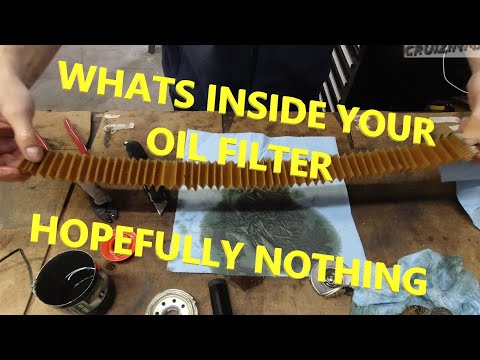
- An inspection of the engine oil filter for metal debris.
Questions to Ask the Repair Shop
Before authorizing the work, ask your service writer these five questions:
- Did you find metal debris in the oil? If yes, how do we ensure the rest of the engine is safe?
- Are you replacing all 16 lifters? Replacing only the failed one is a shortcut that often leads to another failure shortly after.
- Does the quote include new head bolts? These are "torque-to-yield" bolts and cannot be reused once they have been tightened.
- What is the warranty period for the parts and the labor?
- Is a cooling system flush and oil change included in the estimate?
Bottom Line
A Chevrolet Silverado 5.3L lifter and camshaft repair is a significant investment, often costing between $3,000 and $7,000. When deciding "is lifter and camshaft repair worth it," you must consider the current market value of your truck. If the rest of the vehicle—such as the transmission and frame—is in good condition, the repair is usually worth it given the high price of new pickups.
Remember that repair prices vary by geographic location, vehicle year, and shop fees. Always get a written estimate and ensure your mechanic has confirmed a mechanical failure before you begin replacing electronic sensors or ignition parts. A properly executed repair today can keep your Silverado on the road for another 100,000 miles.



No Comments Yet
Be the first to comment on this article.