Curtis.Castiglione@ROzebra.com

Car Won't Start but Has Power: Causes and Diagnosis
Written by Curtis Castiglione
It is one of the most frustrating scenarios a driver can face: you climb into the driver’s seat, turn the key or press the start button, and while the dashboard lights up and the radio plays, the engine refuses to come to life.
If your car won't start but has power, what could be wrong? This situation often leads to confusion because many owners assume that if the lights are on, the battery must be fine. However, starting an internal combustion engine requires a massive surge of electricity—significantly more than the small amount needed to illuminate a dashboard or power a radio.
Understanding the difference between having basic electrical power and having enough power to crank the engine is the first step in identifying the problem.

What the Symptom Looks and Sounds Like
When you attempt to start the vehicle, pay close attention to what happens. These sensory clues are vital for a correct diagnosis:
- Rapid Clicking: If you hear a rapid clicking sound, it usually indicates the battery has enough power to engage the starter’s internal switch (the solenoid) but not enough to actually spin the heavy engine.
- A Single Loud Clunk: This often suggests that the starter motor is receiving power but is mechanically stuck or has failed internally.
- Total Silence: If nothing happens at all when you turn the key, the electrical signal may not be reaching the starter, or a safety switch may be preventing the sequence from beginning.
- Normal Cranking (The Rrrr-Rrrr Sound): If the engine spins over rapidly and sounds like it’s trying to start but won’t catch and run, your battery and starter are likely working fine. The problem lies elsewhere, such as in the fuel or ignition systems.
Common Causes
When a car won't start but has power, the culprit is usually found within the starting circuit or the battery's ability to provide high current.
1. A Weak or Aging Battery
This is the most frequent cause. A battery may have 12 volts of pressure (enough for lights) but lack the Cold Cranking Amps—the muscle—required to turn the engine. Batteries lose capacity over time and are particularly sensitive to extreme heat or cold.
2. Corroded or Loose Battery Terminals
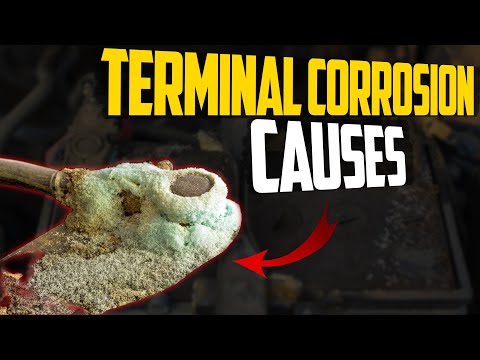
Look at the metal clamps on top of your battery. If you see a white, crusty, or green powder, that is corrosion. This buildup acts as an insulator, blocking the high-current electricity required for the starter. Even if they look clean, a loose connection can prevent the car from starting.
3. Starter Motor Failure
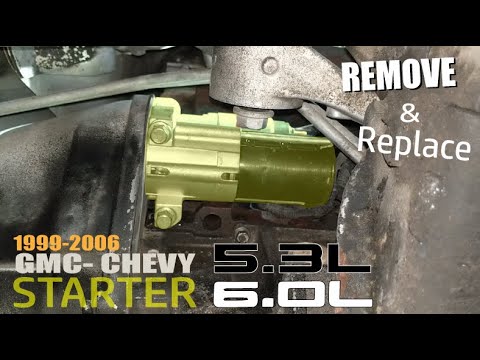
The starter is a small but powerful electric motor that physically spins the engine’s flywheel. If the internal components wear out, the starter may click or stay silent despite receiving full battery power.
Less Common Causes
If the battery and starter pass inspection, the issue may be related to safety or security electronics.
- The Neutral Safety Switch: For safety, automatic vehicles will only start in Park or Neutral. If this switch fails, the car may think it is in gear and lock out the starter.
- The Brake Light Switch: Most modern vehicles with push-button starts require the brake pedal to be depressed. If the switch on the pedal is broken, the car won't receive the signal that it is safe to start.
- Security and Key Fob Issues: If your vehicle does not recognize the anti-theft chip inside your key or fob, it may allow the dash to light up but prevent the engine from firing. Look for a security light or a key not detected message on the display.
What if the Engine Cranks but Won't Run?
If the engine is spinning over normally but fails to start, the problem is no longer a starting-motor issue. To run, an engine needs three things: fuel, spark, and timed engine-control signals.
- Fuel Delivery: A failed fuel pump or a clogged filter can starve the engine of gasoline.
- Ignition Problems: Failed ignition coils or spark plugs can prevent the fuel from igniting.
- Sensor Failure: Modern engines rely on sensors, like the crankshaft position sensor, to tell the computer exactly when to send fuel and spark. If a vital sensor fails, the computer may prevent the engine from starting to protect it from damage.
When the Problem is Serious (Safety Guidance)
In some cases, attempting to start the car can be dangerous. Do not continue trying to start the vehicle and seek professional assistance if:
- You smell a strong odor of gasoline: This could indicate a fuel leak, which is a significant fire hazard.
- You see smoke or smell burning plastic: This suggests an electrical short or an overheating starter motor.
- Warning Lights: If a Low Oil Pressure or High Temperature light was on immediately before the car failed to start, the engine may have sustained mechanical damage.
What a Technician May Check
A professional technician will avoid replacing parts blindly by performing specific tests:
- Battery Load Test: This determines if the battery can maintain power under the stress of a start, rather than just checking its resting voltage.
- Voltage Drop Test: This checks the health of the wiring and ground connections to ensure electricity isn't being lost on its way to the starter.
- Diagnostic Scan: Using a scan tool, the tech will look for Pending Codes that can reveal if a sensor is malfunctioning, even if the Check Engine light isn't on yet.

Information to Record Before Seeking Service
To help your mechanic find the problem faster, take note of the following:
- Did the car struggle to start over the last few days, or did this happen suddenly?
- What exactly do you hear when you turn the key (silence, one click, multiple clicks, or normal cranking)?
- Did the problem happen after a heavy rain, a jump-start, or a recent repair?
- Does the car start if you shift it into Neutral instead of Park?
Questions to Ask a Repair Shop
- Did the battery pass a load test, or just a voltage test?
- Are the battery cables and ground wires clean and tight?
- Is the starter motor receiving a start signal from the ignition?
- If the engine is cranking, have you checked for fuel pressure and spark?
Because so many different issues can cause a car to have power but not start, a proper professional inspection is the most cost-effective way to get back on the road without wasting money on unnecessary parts.



No Comments Yet
Be the first to comment on this article.