Curtis.Castiglione@ROzebra.com

Car Overheating: Technician’s Guide to Causes and Repairs
It usually starts with a quick glance at the dashboard. You notice the needle on your temperature gauge is sitting a little higher than usual, or perhaps a warning light you have never seen before suddenly flickers to life. Maybe you are sitting in traffic and notice a faint, sweet smell, similar to maple syrup, wafting through the vents. In worse cases, a plume of white steam starts breathing out from the edges of your hood.
For most drivers, this is a moment of pure panic. You might hear a rhythmic clicking or knocking sound from the engine bay, and suddenly the car feels sluggish, like it is struggling to maintain speed. As a technician, I hear these descriptions every day. When a customer tells me their car smells like burnt sugar or is whistling steam, I know exactly where to start looking.
While it feels like a sudden catastrophe, your cooling system is actually a very logical network of components. When that network breaks down, the results are predictable and potentially expensive.
The Cooling Loop: How It Works
To understand why your car is overheating, you have to think of the cooling system as a continuous loop. At the heart of this loop is the coolant, a mixture of water and antifreeze. Its job is to absorb heat from the engine block and carry it away to the radiator.
When any part of this loop is compromised, the heat exchange stops. Without enough liquid to carry the heat away, the metal components of your engine begin to expand beyond their design limits.
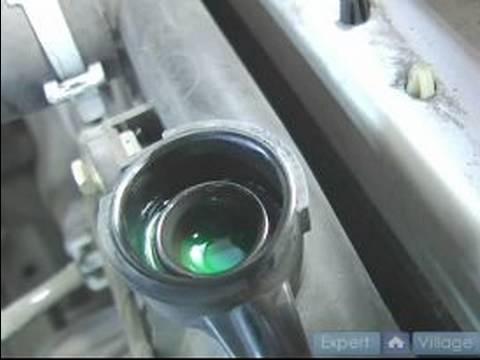
9 Common Causes of Engine Overheating
- Low Coolant Levels: This is the most frequent culprit. Whether it is a slow leak in a hose or a cracked reservoir, if there is not enough fluid, the heat has nowhere to go.
- Stuck Thermostat: Think of the thermostat as a gatekeeper. If it gets stuck closed, coolant stays trapped in the engine, getting hotter and hotter while the radiator sits there cold and useless.
- Failing Water Pump: This is the heart of the system. If the internal vanes erode or the bearing fails, the fluid just sits still.
- Radiator Obstructions: Debris, bugs, or internal corrosion can block air and fluid flow, preventing the radiator from cooling the liquid.
- Cooling Fan Failure: If your car only gets hot when you are stopped at a red light but cools down once you move, your electric fans likely are not engaging.
- Leaking Hoses: Rubber degrades over time. A burst hose can dump all your coolant in seconds.
- Blown Head Gasket: This is the nightmare scenario. It allows hot combustion gases to enter the cooling system, causing instant overheating and white exhaust smoke.
- Air Trapped in the System: If you recently had a repair and the system was not bled properly, air pockets can cause localized hot spots.
- Low Engine Oil: While not part of the cooling loop, oil reduces friction. Without it, the engine generates significantly more heat than the cooling system can handle.
Warning Signs You Should Not Ignore
Your vehicle often provides several warnings before severe engine damage occurs. Watch for these indicators:
- The temperature gauge needle moving into the red zone.
- Steam or vapor rising from under the hood.
- A sweet smell (ethylene glycol) inside or outside the car.
- A 'Coolant Low' or 'Check Engine' warning light.
- Ticking or thumping noises from the engine.

What Will the Repair Cost?
The price of a fix depends entirely on how quickly you react. Here is a general breakdown of what to expect for parts and labor:
| Repair Task | Estimated Cost |
|---|---|
| Coolant Refill and Bleed | $100 – $200 |
| Thermostat Replacement | $200 – $500 |
| Radiator Hose Replacement | $150 – $350 |
| Cooling Fan Motor | $300 – $800 |
| Water Pump Replacement | $500 – $1,200 |
| Radiator Replacement | $600 – $1,500 |
| Head Gasket Replacement | $2,000 – $5,000+ |
Actionable Advice: What to Do Right Now
If you see that needle move toward the red, pull over safely and shut the engine off immediately.
The Technician’s Pro Tip: If you are in a pinch and need to reach a safe shoulder, turn your cabin heater to the highest setting. This sounds miserable in the summer, but the heater core acts as a secondary radiator, drawing some heat away from the engine.
A Word of Warning: Never, ever open the radiator cap while the engine is hot. The system is under immense pressure. Opening it can cause a geyser of boiling liquid that will cause severe burns.
Modern engines are often made of aluminum, which can warp or crack very quickly when exposed to extreme heat. A $200 thermostat repair can turn into a $5,000 engine replacement in a matter of miles. Do not try to limp it home. Call a tow truck and let a pro pressure-test the system. Your wallet will thank you later.



No Comments Yet
Be the first to comment on this article.