Curtis.Castiglione@ROzebra.com

Car Belt and Hose Maintenance Guide
Belts and hoses are among the most critical yet frequently overlooked components of a modern vehicle. While they are not as visible as a touchscreen or as tactile as a steering wheel, they are the lifelines of your engine. Because these parts are primarily made of rubber compounds, they are constantly subjected to extreme heat, vibration, and the passage of time.
Understanding how often you should inspect your car’s belts and hoses can be the difference between a routine maintenance stop and an expensive breakdown on the side of the highway.

What the Service Is
An inspection of belts and hoses is a visual and physical evaluation of the rubber components that keep your engine running and cooling properly.
- The Serpentine Belt: Also known as the accessory drive belt, this is a long, continuous belt that provides power to the alternator, power steering pump, air conditioning compressor, and sometimes the water pump.
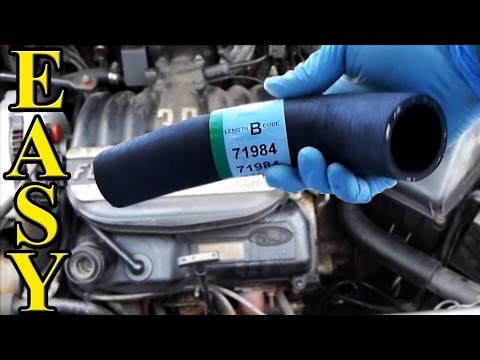
- The Hoses: These include the upper and lower radiator hoses and heater hoses. They circulate pressurized coolant between the engine and the radiator to prevent the vehicle from overheating.
The inspection involves checking these parts for structural integrity, proper tension, and signs of leakage.
When the Service Is Typically Performed
Most automotive professionals recommend having your belts and hoses inspected during every oil change, or at least every six months. Because these components are easily accessible once the hood is open for other services, it is a low-labor task that provides significant peace of mind.
While modern belts made of EPDM (Ethylene Propylene Diene Monomer) are designed to last much longer than older versions—often up to 100,000 miles—they still require regular check-ups. Most manufacturers suggest a more thorough evaluation at major mileage milestones, such as 30,000, 60,000, and 90,000 miles.
Why Regular Inspections Matter
The primary goal of these inspections is to prevent a catastrophic failure. If a serpentine belt snaps, your car will immediately lose its ability to charge the battery and may lose power steering assist, making the vehicle difficult and dangerous to maneuver. If the belt also drives the water pump, the engine will overheat within minutes.
Similarly, hoses operate under high pressure. A hose failure usually results in a rapid loss of coolant. Without coolant, an engine can suffer permanent internal damage, such as a warped cylinder head or a blown head gasket, in a very short amount of time.
What a Technician Inspects
During a professional inspection, a technician looks for several specific warning signs that a component is nearing the end of its life:
- Cracking and Fraying: While tiny cracks across the ribs of a belt are common as it ages, deep cracks or missing chunks of the ribs indicate the belt is near failure. Fraying along the edges suggests the belt may be misaligned.
- Glazing: This refers to a shiny, glassy appearance on the smooth side of the belt. Glazing happens when a belt slips, creating heat that hardens the rubber and reduces its ability to grip the pulleys.
- Swelling and Soft Spots: A technician will physically squeeze the hoses. If a hose feels excessively soft, mushy, or has a visible bulge, the internal reinforcement has failed.
- Leaks and Corrosion: Technicians look for dried coolant residue (which often looks like white or colored crust) around hose clamps and connections.
- Tensioner Health: The belt is held tight by a component called a tensioner. If the tensioner is weak or the pulley bearing is noisy, the belt will not operate correctly even if the rubber itself is in good condition.
The Critical Difference: Timing Belts vs. Drive Belts
It is vital to distinguish between a serpentine belt and a timing belt.
- Serpentine and Drive Belts: Located on the outside of the engine, these drive accessories like the A/C and alternator. They are replaced based on their physical condition during an inspection.
- Timing Belts: These are located inside the engine and are not visible during a standard inspection. They synchronize the movement of the engine valves and pistons.
Unlike serpentine belts, timing belts must be replaced at a specific mileage interval dictated by the manufacturer (commonly between 60,000 and 105,000 miles). If a timing belt breaks, it can result in total engine destruction. Always consult your owner’s manual to see if your engine uses a timing belt or a timing chain (which typically lasts the life of the engine).
Factors That Can Change the Maintenance Interval
Several variables can accelerate the wear of rubber components, requiring more frequent inspections:
- Climate: Extreme heat causes rubber to harden and crack prematurely. Conversely, extreme cold makes rubber brittle.
- Severe Driving Conditions: Frequent short trips, heavy towing, or stop-and-go city driving increase the heat cycles the engine goes through, which stresses hoses and belts.
- Fluid Leaks: If an engine has an oil or power steering fluid leak that drips onto a belt or hose, the petroleum products will cause the rubber to rot and soften very quickly.
- Vehicle Inactivity: If a car sits for long periods, the rubber can develop dry rot, making it prone to snapping once the vehicle is put back into service.
What Can Happen if Maintenance is Neglected
Neglecting these inspections usually results in an on-the-road failure. Because belts and hoses often fail under the stress of high speeds or high temperatures, you are likely to be stranded in an inconvenient or dangerous location. While the cost of a replacement belt or hose is relatively low, the cost of a tow truck and the potential for secondary engine damage from overheating can run into thousands of dollars.
Questions to Ask a Repair Shop
Before approving a belt or hose replacement, you may want to ask your service adviser:
- Can you show me the specific cracks, leaks, or soft spots you found during the inspection?
- Is the belt tensioner still providing the correct amount of pressure, or should it be replaced at the same time?
- If a hose is being replaced, does the estimate include fresh coolant and a system bleed to remove air pockets?
- Are you using Original Equipment Manufacturer (OEM) parts or aftermarket parts that meet the manufacturer's specifications?
When to Consult the Manufacturer's Maintenance Schedule
While a technician can identify a belt or hose that is currently failing, only your manufacturer’s maintenance schedule can tell you when a component is due for preventative replacement regardless of how it looks. This is especially true for timing belts.
Always refer to your owner’s manual for the specific service intervals for your year, make, and model to ensure you are following the engineered requirements for your vehicle.



No Comments Yet
Be the first to comment on this article.