Curtis.Castiglione@ROzebra.com

Can You Keep Your Car After an Insurance Total Loss?
By Curtis Castiglione
When an insurance company declares your vehicle a "total loss," it doesn't always mean the car is destined for the scrap heap. To an insurer, "totaled" simply means the cost of repairs—often including potential rental car fees and the estimated salvage value—exceeds a specific percentage of the car’s actual cash value as dictated by state law or policy terms.
In many cases, an owner may be able to keep the vehicle through a process called owner retention. However, deciding to keep a totaled car is a complex business decision. It involves more than just accepting a smaller check; it requires an understanding of insurance math, state title laws, and the technical realities of modern automotive repair.

How the Settlement Works if You Keep the Car
When an insurance company totals a vehicle, they are essentially buying the damaged car from you for its Actual Cash Value (ACV). If you choose to keep the car, you are effectively buying it back from the insurer at its current, damaged price.
Here is how the math typically breaks down:
- The Valuation: The insurer determines the ACV, which is what the car was worth the second before the accident occurred.
- The Salvage Value: The insurer obtains salvage bids to see what the car would sell for at a specialized auction.
- The Deduction: If you retain the vehicle, the insurer pays you the ACV minus your deductible and minus the salvage value.
Example: If your car is worth 10,000 dollars and the salvage bid is 2,000 dollars, your payout would be 8,000 dollars (minus your deductible). You keep the damaged car and the 8,000 dollars to put toward repairs or other expenses.
The Legal Reality of Salvage Titles
One of the most significant consequences of owner retention is the change in the vehicle’s legal status. In most states, once an insurance company pays a total loss claim, they are required to report the vehicle to the Department of Motor Vehicles (DMV), which results in a branded title.
- Salvage Title: This indicates the vehicle was a total loss. In most jurisdictions, a vehicle with a salvage title cannot be legally driven or registered on public roads.
- Rebuilt Title: To get the car back on the road, you must perform the necessary repairs and pass a rigorous state safety inspection. Only then can you obtain a rebuilt title.

Practical Considerations:
- Insurance Difficulty: Many insurance companies refuse to provide comprehensive or collision coverage on a vehicle with a rebuilt title. You may be limited to liability-only coverage.
- Financing Hurdles: Most banks and credit unions will not provide a loan for a vehicle with a branded history, making it difficult to sell the car to a buyer who needs a loan.
- Resale Value: A rebuilt title typically reduces a vehicle's resale value by 30% to 50%, regardless of how well it was repaired.
Why Modern Damage is More Than Meets the Eye
From a technical perspective, keeping a totaled car is often a bigger gamble than it appears. Modern vehicles are not just metal and glass; they are integrated systems of high-strength steel, aluminum, and sensitive electronics.
ADAS and Calibration
Most vehicles manufactured in the last decade feature Advanced Driver Assistance Systems (ADAS). This includes cameras, radar units, and ultrasonic sensors. Even a minor impact can knock these components out of alignment.
A proper repair requires electronic diagnostic pre-scans and post-scans. Furthermore, many sensors require precise calibration to function. If a frame rail is slightly out of specification or a sensor bracket is bent, these safety systems may fail to function or could trigger emergency braking unexpectedly.

Hidden Damage and the Supplement Trap
Initial insurance estimates are often based on a visual inspection. However, once a technician begins the teardown—removing bumpers, trim, and cooling components—they often find hidden damage. In a standard claim, the shop submits a supplement to the insurance company for additional funds.
If you have already accepted a total loss settlement and kept the car, the claim is technically closed. You are responsible for any additional costs discovered during the repair. You generally cannot go back to the insurer for more money because the settlement was based on you taking the car "as-is" in its damaged state.
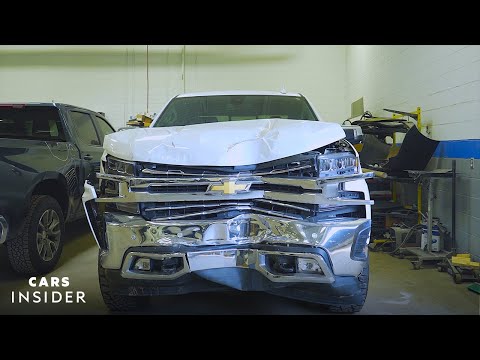
Common Mistakes When Retaining a Totaled Vehicle
- Underestimating Labor and Parts: Many owners believe they can fix a car cheaply using used parts or an unlicensed shop. However, safety items like deployed airbags, seatbelt pretensioners, and structural components should never be compromised or repaired with substandard methods.
- Ignoring State Requirements: Some states require extensive documentation of the repair process, including photos and receipts for every single part used, before they will even schedule a rebuilt title inspection.
- Emotional Decision Making: Owners often keep cars because they are paid off or they have an emotional attachment. This can lead to a money pit scenario where the cost of a safe, legal repair far exceeds the vehicle’s restored market value.
What Should I Do Before Deciding to Keep My Car?
Before you tell your insurance adjuster that you want to keep the car, take these practical steps:
- Request the Itemized Estimate: Review exactly what the appraiser found. Look for terms like "structural," "frame," "SRS" (airbags), or "calibration."
- Consult a Professional Collision Center: Ask a qualified estimator to review the insurance report. They can tell you if the vehicle is realistically repairable or if it contains structural damage that makes it unsafe for a DIY or budget repair.
- Check DMV Rules: Research your specific state’s process for moving from a salvage title to a rebuilt title. Know the inspection locations and the required paperwork.
- Call Your Insurance Agent: Ask if they will continue to provide full coverage on the vehicle once it has been repaired and issued a rebuilt title.
The Bottom Line
Owner retention might make sense for an older, high-mileage vehicle with purely cosmetic damage, such as hail or minor dents that do not affect safety. However, if the vehicle has structural damage, deployed airbags, or compromised electronic safety systems, the technical complexity and financial risk of a proper repair usually outweigh the benefits of keeping the car.
Disclaimer: Insurance policies and state laws vary significantly. You should always review your specific policy and consult with your insurance company, a qualified repair facility, or a professional advisor before making a decision regarding a total loss.



No Comments Yet
Be the first to comment on this article.