Curtis.Castiglione@ROzebra.com

Can Insurance Require Aftermarket Parts?
The short answer is that in many cases, yes, an insurance company can base their repair estimate on the cost of aftermarket parts. However, the word "require" is often misunderstood in the world of collision repair.
An insurance company generally cannot force a repair shop to bolt a specific part onto your car. However, they can—and often do—limit their payment to the cost of an alternative part they deem to be of "like kind and quality" to the original. If you insist on brand-new parts from the vehicle manufacturer, you may be responsible for paying the price difference out of your own pocket.
To understand why this happens and how it affects your repair, you have to look past the insurance policy and into the repair stall where the work actually happens.
Understanding the Pre-Loss Condition Contract
An insurance policy is a legal contract designed to return your vehicle to its "pre-loss condition." It is not a contract to return the vehicle to a better-than-new state.
Insurance companies use aftermarket parts—components made by companies other than the original equipment manufacturer (OEM)—as a primary tool to control repair costs. Whether an insurer can use these parts in an estimate depends heavily on two factors:
- Your Specific Policy Language: Many standard policies explicitly state that the company reserves the right to use non-OEM, recycled, or remanufactured components.
- State Law: Laws vary significantly. Some states require insurers to use only OEM parts if a vehicle is less than two or three years old. Others require the insurer to get written consent from the owner before specifying non-OEM parts.

Decoding Your Repair Estimate
When you receive a repair estimate, the parts list will contain various abbreviations. It is vital to understand what these mean before you authorize repairs:
- OEM (Original Equipment Manufacturer): Parts made by your car’s manufacturer (e.g., Ford, Toyota, BMW).
- AM or ALT (Aftermarket): New parts made by a third-party company.
- LKQ (Like Kind and Quality): This usually refers to "recycled" or "salvage" parts taken from a donor vehicle of the same year, make, and model.
- QRP (Quality Replacement Part): Another term for aftermarket parts.
- CAPA (Certified Automotive Parts Association): This indicates an aftermarket part has been tested for fit and finish. While CAPA parts generally have higher standards than uncertified aftermarket parts, they are still not OEM.
Why Simple Parts Are No Longer Simple
In the past, the debate over aftermarket parts was mostly about "fit and finish"—whether the fender lined up or if the chrome on the grille looked cheap. In modern vehicles, the stakes are much higher.
The primary concern today is how a part interacts with your vehicle’s Advanced Driver Assistance Systems (ADAS). A bumper, grille, mirror, or windshield is no longer just a piece of plastic or glass; it is a housing for sophisticated technology.
The Tech Factor: Sensors and Calibration
Consider a front bumper cover on a late-model SUV. An aftermarket version might be $300 cheaper than the OEM version. However, the technical implications can be vast:
- Material Thickness: If the plastic is slightly thicker or denser than the original, it can interfere with the radar waves used for adaptive cruise control or automatic emergency braking.
- Mounting Precision: If a sensor bracket is off by even a fraction of a millimeter, the sensor’s "field of vision" is skewed. This can cause the vehicle to "see" obstacles that aren't there or, worse, miss a looming collision.
- Static and Interference: Certain aftermarket windshields can cause distortion for forward-facing cameras, making it impossible to calibrate lane-departure warning systems.
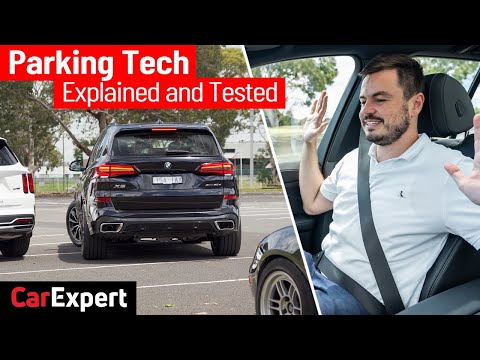
In these instances, a repair facility might argue that an OEM part is a technical necessity, not just a cosmetic preference.
What Should I Do if My Estimate Includes Aftermarket Parts?
If you are researching a claim and find your estimate is filled with "AM" or "LKQ" parts, here is a practical roadmap:
- Check for an OEM Parts Endorsement: Review your policy or call your agent. You may have an optional "OEM endorsement" that requires the insurer to pay for original parts regardless of the car’s age.
- Request a Test Fit: Ask your repair shop to test-fit the aftermarket part. If the part does not fit properly, lacks the necessary mounting points for sensors, or fails a safety calibration, the shop can document this failure.
- Submit a Supplement: Once a shop documents that an aftermarket part is insufficient for a safe or proper repair, they can submit a "supplement" to the insurance company. This is a request for additional funds to switch to an OEM part based on documented technical needs.
- Review Manufacturer Position Statements: Most car manufacturers issue "position statements" regarding the use of non-OEM parts, especially concerning structural repairs and electronic safety systems. These documents are powerful tools for your repairer to use when advocating for better parts.
- Understand the Financial Gap: If the insurance company refuses to pay for OEM and you still want them, you can choose to pay the "markup" or price difference yourself.
Common Pitfalls to Avoid
- Assuming all Aftermarket is Bad: For older vehicles without complex sensors, many aftermarket cosmetic parts (like a door handle or a simple trim piece) are perfectly functional and help keep older cars from being "totaled" by high repair costs.
- Ignoring the Teardown: Never assume the initial estimate is final. Most "hidden damage" is found during the teardown process. This is often the best time to re-evaluate whether aftermarket parts will truly work with the damaged internal components.
- Choosing the Insurance Shop Blindly: While insurance-preferred shops (DRPs) are convenient, remember that you have the right to choose your repair facility. Choose a shop that prioritizes manufacturer repair procedures over insurance company cost-cutting.
The Bottom Line: You are the customer of the repair shop, while the insurance company is the payer. You have the right to choose what goes on your vehicle, but your policy dictates what the insurance company will pay for. If a technical issue involving sensors or safety is at play, documentation from a qualified technician is your best path to getting the right parts for your repair.



No Comments Yet
Be the first to comment on this article.