Curtis.Castiglione@ROzebra.com

Building a Budget Race Car
Building a race car can easily become an endless spending project. The budget aspect of grassroots racing isn't necessarily about finding the cheapest individual parts; it’s about avoiding the mistake of buying things twice.
For the amateur racer, every dollar spent on an unnecessary engine modification is a dollar that could have been spent on track entry fees or fresh tires. This guide focuses on the strategic approach to building a reliable, competitive, and cost-effective grassroots racer.
1. Choose Your Class Before You Turn a Wrench
The most expensive mistake you can make is modifying a car before reading a rulebook. Every sanctioning body, such as the SCCA or NASA, has specific classes with rigid requirements.
- The Trap: You install an aftermarket intake and a larger turbo because they were on sale.
- The Reality: That one modification might move you from a Street class into a Modified or Unlimited class where you will be competing against professional-grade builds with ten times your budget.
Action Item: Identify which local series you want to run. Download the General Competition Rules (GCR) and build strictly to the limits of a specific class. Rules should influence the entire build from the very beginning.
2. Picking the Right Platform: The Safety in Numbers Rule
In grassroots racing, you do not want a unique car. You want a car that is so common that if you break a wheel bearing at 10:00 AM on a Saturday, three people in the paddock will have a spare they can sell you.
The Three Gold Standards
- Mazda Miata (NA, NB, NC): The king of grassroots racing. They are rear-wheel drive, lightweight, and teach momentum driving. Parts are cheap and plentiful.
- Honda Civic (EF, EG, EK): These front-wheel-drive hatchbacks are nearly indestructible and extremely easy to work on. They are particularly forgiving for beginners in wet conditions.
- BMW 3 Series (E36, E46): The choice for those who want a European chassis. While parts cost more than a Honda, the handling is superb, and the Spec E46 class provides a perfect roadmap for a build.

3. The Reality of Consumables
The purchase price of the car is only the entry fee. The real cost of racing is found in consumables: tires, brakes, and fuel.
- Weight is the enemy: A heavy, high-horsepower car like a Mustang or Corvette will be fast on the straights but will eat through a set of tires and brake pads in three weekends.
- Lightweight is the budget choice: A 2,300lb Miata or Civic might get an entire season out of a set of 200-treadwear tires.
- Common Sizes: Stick to cars that use common tire sizes like 205/50/15 or 225/45/15. These are significantly cheaper than the 18 or 19-inch tires required by modern performance cars.
4. Build in Stages: The Priority List
Do not try to build a finished race car in your garage over the winter. You will likely spend money on things that do not actually make you faster. Instead, follow this phased approach:
Stage 1: Maintenance (The Foundation)
Before adding go-fast parts, fix what is broken. Start by replacing old plastic radiators, water pumps, and hoses to ensure the cooling system is bulletproof. Flush all fluids with fresh high-temp oil, transmission fluid, and differential fluid. Fix any leaks immediately; no track wants to clean up an oil mess, and it is a major safety hazard for other drivers.
Stage 2: Brakes and Safety
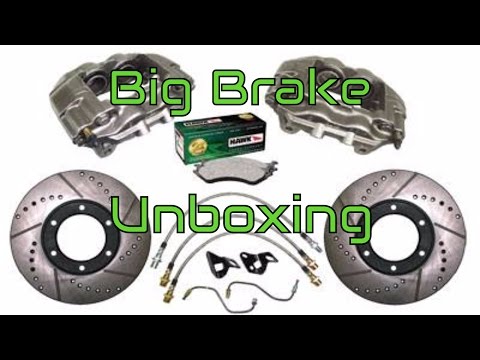
You cannot go fast if you are not confident the car will stop. Upgrade to a track-specific brake pad compound—not just sport pads—and use high-boiling-point racing brake fluid like Motul RBF600. Safety-critical components like a fire extinguisher mounted within reach and a high-quality helmet are non-negotiable.
Stage 3: Handling and Seat Time
Once the car is reliable, get it on the track. Start with a good set of 200 Treadwear tires like the Hankook RS4 or Falken RT660. They offer plenty of grip but are more durable and communicative for beginners than full slicks. Follow this with a performance alignment; increasing negative camber is the cheapest modification you can do to drastically improve cornering grip and tire life.
Stage 4: Suspension and Data
Once you can drive the car to its current limit, look at hardware upgrades. Research what the fast drivers in your class are running before buying coilovers. Additionally, a simple GPS lap timer or phone app is more valuable than a 10hp engine mod because it tells you exactly where you are losing time.
5. Build vs. Buy: The Financial Reality
It is almost always cheaper to buy a pre-built race car than to build one yourself. A seller rarely recovers the cost of a roll cage, fire suppression system, and racing seats. You can often find a logbooked race car—one that has already passed technical inspections—for 50% to 60% of the cost of the parts alone.
If you buy used:
- Inspect the Cage: Ensure the welds are high quality and the tubing diameter meets current rules.
- Check the Dates: Racing seats and harnesses have expiration dates. If they are expired, you will need to factor the cost of replacement into your budget.

6. Practical Pre-Purchase Checklist
If you are looking for a donor car or a used racer, keep this checklist in mind:
- Structural Rust: Surface rust is fine; rust on suspension mounting points or frame rails is a dealbreaker.
- Salvage Yard Support: Can you find a replacement engine or transmission at a local yard for under $1,000? If the answer is no, it is not a budget racer.
- Modification History: Has the car been hacked by a previous owner? Clean, simple wiring is worth its weight in gold.
- Verify Class Legality: Does the car have modifications that move it into a class where it will be hopelessly outclassed?
Summary: The Best Modification is You
The most successful budget racers follow one simple rule: Spend the money on the driver.
If you have $2,000 to spend, you can buy a slightly better suspension kit, or you can buy two sets of tires and four weekend entry fees. The driver who spends those four weekends on the track will almost always be faster than the driver who spent the weekend in the garage installing shiny parts.
The best budget race car isn't the one with the most expensive parts—it’s the one that is reliable enough to let you stay on track all day, every event.




No Comments Yet
Be the first to comment on this article.