Curtis.Castiglione@ROzebra.com

Brake Caliper Slide Pin Maintenance and Seizure Diagnosis
You are driving your Ford F-150 or Super Duty down the highway when you notice something isn't quite right. Maybe the truck feels "heavy," as if it is working harder than usual just to maintain speed. When you step on the brakes, perhaps the steering wheel tugs firmly to one side, or you notice the truck doesn't glide as freely as it used to.
When you finally pull into your driveway, you might catch a whiff of a pungent, burning smell coming from a wheel well, or notice that one rim feels significantly hotter to the touch than the others. In the worst cases, you might hear a persistent metallic scraping sound—even when your foot isn't on the brake pedal.
As a technician, these are the classic "red flag" symptoms of a seized brake caliper. While many owners assume a brake problem always means the pads are simply worn out, the root cause is often much more subtle: your caliper slide pins have stopped sliding.
The Technician’s View: What is a "Floating" Caliper?
To understand why your truck is dragging, we have to look at the "floating" caliper system used on most Ford trucks. When you press the brake pedal, hydraulic pressure forces the internal pistons to push the inner brake pad against the rotor.
However, for the outer pad to work, the entire caliper housing must be able to slide inward on two metal pins—the slide pins. This sliding action creates the "clamping" force necessary to stop a multi-ton vehicle. For this system to work efficiently, those pins must move freely within their bracket bores.
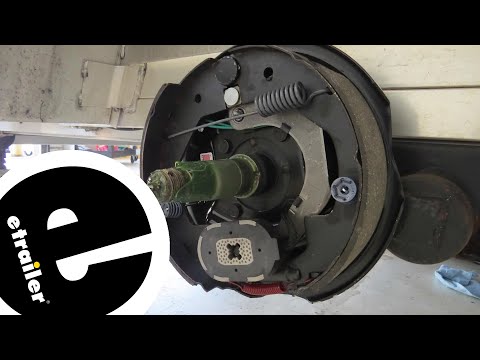
Why Ford Trucks Are Prone to Seizure
In my shop, I see this issue frequently on F-Series trucks because of the extreme conditions they endure. Whether you are towing a trailer, hauling heavy loads, or heading off-road, your braking system generates immense heat. This heat eventually causes the internal grease to dry out or break down.
Additionally, Ford trucks often face:
- Environmental Exposure: Road salt and water can enter the pin chamber if the small rubber dust boots are cracked or torn.
- Oxidation: Once moisture gets in, the pins begin to rust (oxidize) inside the bracket.
- Pitting: Severe corrosion creates a "locked" state where the pin is essentially fused to the bracket.
When a pin seizes, the caliper can no longer "float." This usually results in the caliper staying clamped shut, causing constant drag, or remaining stuck open, meaning only one pad is doing the work. This leads to uneven pad wear, where one pad looks brand new while the other is worn down to the metal backing plate.
The Professional Fix: More Than Just a "Pad Slap"
If you are experiencing these symptoms, the fix involves a meticulous maintenance routine. Simply "slapping" on new pads won't solve the underlying problem. Here is how we professionally restore your braking performance:
1. Extraction and Cleaning
The caliper is removed and the slide pins are extracted from the mounting bracket. If they are truly seized, this requires penetrating oil and sometimes controlled heat. Once removed, we use a dedicated brake parts cleaner and a wire bore brush to scrub every trace of old, crusty grease and rust out of the bracket holes.
2. Hardware Inspection
We inspect the pins for "pitting"—tiny holes or craters caused by rust. If a pin is pitted, it must be replaced. A rough surface will act like sandpaper, destroying the new grease and causing the caliper to seize again within months.
3. Proper Lubrication
This is where many DIYers go wrong. You cannot use petroleum-based grease (like chassis grease), as it causes the rubber boots to swell and fail. Technicians use a high-quality, synthetic silicone-based lubricant specifically designed to withstand the high-temperature environment of a heavy-duty truck.
4. The Movement Test
After installing the lubricated pins and new boots, the caliper should slide back and forth with light finger pressure. There should be no "binding" or "springing" effect.
Actionable Advice for the Owner
If you take your truck in for a brake inspection, don’t just ask for "new brakes." Specifically ask your mechanic to "service and lubricate the caliper slides."
Ensuring that the slide pins are cleaned and greased is the difference between a brake job that lasts 50,000 miles and one that fails in six months. Proper maintenance ensures your Ford truck stops straight, stays cool, and keeps your fuel economy where it should be. Balanced braking isn't just about comfort; it is a vital safety requirement for anyone behind the wheel of a heavy-duty vehicle.
Written by Curtis Castiglione



No Comments Yet
Be the first to comment on this article.