Curtis.Castiglione@ROzebra.com

Best Used Cars with Legendary Paint and Body Durability
By: Curtis Castiglione
August 9, 2026
Category: Maintenance and Exterior
There is nothing more disheartening for a car owner than watching a mechanically sound vehicle literally dissolve before their eyes. Whether it is the dreaded clear coat peel that makes a car look like it is sunburned or the "iron moth" of rust eating through wheel arches, exterior degradation kills resale value and structural integrity.
When shopping for a used vehicle, most buyers focus exclusively on the engine and transmission. However, at ROzebra.com, we argue that the body and paint are just as critical. While you can replace an alternator or a water pump, repairing systemic rust or a failing factory paint job often costs more than the vehicle is worth. In this guide, we highlight the used vehicles built to withstand the elements using superior metallurgy and paint application standards that stand the test of time.

Key Factors to Consider Before You Buy
When evaluating a used car for exterior longevity, you need to look beyond the surface shine. Here is what determines if a car will still look good a decade from now.
1. Galvanized Steel Body Panels
Modern cars use galvanized steel, which is coated in a layer of zinc to prevent oxidation. However, not all galvanization is equal. Premium manufacturers often use double-sided hot-dipped galvanization on all body panels, whereas budget brands may only treat the most vulnerable lower sections.
2. Paint Thickness and Clear Coat Quality
Paint is measured in mils (thousandths of an inch). While thicker paint isn't always better if it is brittle, a robust clear coat is essential for UV protection. Brands like Lexus and Volvo are industry leaders in paint depth and superior chemical resistance.
3. Identifying Common Rust-Prone Areas
Before signing the paperwork, inspect the inner lips of the wheel arches, the bottom edges of the doors (hem flanges), and the mounting points of the suspension. On older vehicles, check the sunroof drains; if they clog, water sits in the pillars and rots the car from the inside out.

4. Material Composition
The shift toward aluminum body panels (seen in many modern trucks and luxury sedans) has drastically reduced traditional red rust issues. However, buyers should be aware that aluminum can still suffer from galvanic corrosion if it isn't properly insulated from steel components.
Top Product Picks for Exterior Durability
| Category | Model Pick | Best Years | Primary Strength |
|---|---|---|---|
| Best Overall | Volvo XC90 | 2016–Present | Boron Steel and Galvanization |
| Best Premium | Audi A4 / A6 | 2012–2018 | Zinc-Dipped Shells |
| Best Paint Depth | Lexus LS Series | All Generations | Wet Sand Finish and UV Resistance |
| Best Truck/SUV | Toyota Land Cruiser | 100 or 200 Series | Heavy-Duty Undercoating |
Best Overall: Volvo XC90 (2016–Present)
Volvo has a historical reputation for surviving harsh Scandinavian winters, and the second-generation XC90 continues this legacy. Volvo utilizes an extensive amount of high-strength boron steel and some of the industry's most thorough galvanization processes.
Pros:
- Exceptional resistance to road salt and winter chemicals.
- Thick, high-quality paint that resists rock chips better than Japanese competitors.
- Excellent drainage design that prevents water from pooling in door sills.
Cons:
- Replacement body panels are expensive in the event of an accident.
- Elaborate trim pieces can occasionally trap dirt if not cleaned regularly.
Best Premium/Luxury: Audi A4 / A6 (2012–2018)
Audi was a pioneer in the 1980s with fully galvanized shells, and that DNA remains in their mid-2010s sedans. These cars are known for over-engineered paint processes that include multiple layers of anti-corrosion primers.
Pros:
- Legendary zinc-dipped body shells that almost never rust under normal conditions.
- Paint finish maintains its gloss exceptionally well even with minimal waxing.
- Tight panel gaps reduce the amount of debris that enters the inner body cavities.
Cons:
- Plastic engine undertrays can crack, exposing the subframe to salt.
- Aluminum trim pieces can cloud or oxidize if harsh touchless car wash chemicals are used.
Best Reliability and Paint Depth: Lexus LS Series (All Generations)
Lexus is famous for its wet sand paint process. While many manufacturers accept a slight orange peel texture, Lexus aims for a mirror-like finish. Their clear coats are remarkably resilient against UV-induced fading and peeling.
Pros:
- Some of the highest paint-build thickness in the industry.
- Superior UV protection makes these ideal for hot, sunny climates.
- Body hardware (bolts, hinges, latches) is often plated to prevent surface corrosion.
Cons:
- Soft clear coat can be prone to swirl marks if washed with abrasive brushes.
- Darker colors require frequent detailing to maintain the legendary look.
Best Truck/Off-Road: Toyota Land Cruiser (100 or 200 Series)
While many older Toyotas were prone to frame rust, the Land Cruiser was built to a higher global standard. Designed for 25-year service lives in extreme environments, the body panels and undercoating are significantly more robust than a standard SUV.

Pros:
- Heavy-duty body-on-frame construction with thick-gauge steel.
- High-quality factory undercoating applied to critical areas.
- Designed with self-cleaning features in the chassis to shed mud and water.
Cons:
- The frame still requires inspection; while the body is durable, the steel frame needs periodic cleaning.
- Extremely high resale value makes them expensive to purchase used.
Maintenance Tips: Preserving Your Finish
Even a legendary paint job needs help. To maximize the life of your used car's exterior:
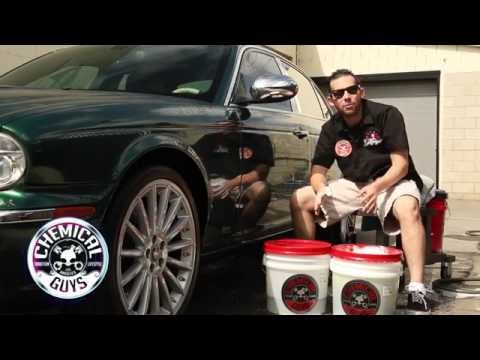
- The Two-Bucket Wash Method: Use one bucket for soapy water and one for rinsing your mitt. This prevents rubbing trapped dirt back into the paint.
- Clay Bar Treatment: Once a year, use a clay bar to remove rail dust and industrial fallout embedded in the paint.
- Seasonal Waxing: Apply a high-quality synthetic sealant or wax every six months. This acts as a sacrificial layer against UV rays and bird droppings.
- Underbody Rinses: If you live in a salt belt state, rinse the underside of your car weekly during winter, focusing on wheel wells and frame rails.
Frequently Asked Questions (FAQs)
Q: Is a ceramic coating worth it on a used car?
A: Yes, provided the paint is still in good condition. It provides a hydrophobic layer that makes cleaning easier and adds UV protection, though it will not stop existing rust.
Q: Does rust proofing or undercoating actually work?
A: Professional oil-based undercoatings (like Fluid Film) are very effective. Avoid rubberized undercoatings on used cars, as they can trap moisture against the metal and accelerate rot.
Q: Why do some cars have peeling paint on the roof and hood?
A: This is clear coat failure caused by UV exposure. Once the clear coat fails, the base color degrades rapidly. This usually requires a full professional repaint to fix.
Final Verdict
If your primary goal is a vehicle that will look as good in year fifteen as it did in year five, the Volvo XC90 and the Audi A4/A6 are the gold standards for rust resistance. For those in high-sun environments where paint fading is the primary threat, a Lexus LS is the premier choice.
Regardless of which model you choose, always check the service history for regular detailing and, if possible, find a vehicle that was garaged. A legendary factory paint job combined with a proactive owner is the ultimate recipe for a car that never looks its age.



No Comments Yet
Be the first to comment on this article.