Curtis.Castiglione@ROzebra.com

Best Used Cars for Fleet Owners
By: Curtis Castiglione
Date: August 9, 2026
Category: Business and Utility
Introduction: Maximizing Uptime in the Gig Economy
In the world of small business and side hustles, your vehicle is more than just transportation; it is a mobile office, a delivery hub, and a primary revenue generator. Whether you are building a fleet for local courier services or putting a single car to work for rideshare apps, the math is simple: if the wheels are not turning, you are losing money.
The secret to a profitable fleet is not buying the newest car off the lot, but finding the one that offers the lowest Total Cost of Ownership (TCO). To stay profitable, you need a vehicle that survives high-utilization environments while keeping repair bills to a minimum. At ROzebra, we prioritize mechanical simplicity and part availability to ensure your business stays in the black.

Key Factors to Consider: The Fleet Owner's Checklist
Before purchasing a used vehicle for commercial use, evaluate it against these four pillars of profitability:
1. Powertrain Simplicity
Complexity is the enemy of uptime. Look for naturally aspirated four-cylinder engines and traditional automatic or robust manual transmissions. Avoid early-generation dual-clutch transmissions (DCTs) or complex turbocharger setups, as these add multiple failure points that can lead to expensive, specialized repairs.
2. Parts Commonality
A vehicle is only useful if it can be fixed quickly. Choose models that were sold in massive volumes. High-volume models ensure that every local auto parts store stocks the brake pads, alternators, and filters you need, often at generic price points rather than premium dealer markups.
3. Fuel Efficiency vs. Maintenance
While hybrids offer the best fuel economy for stop-and-go city work, they come with complex battery systems. For high-speed highway delivery, a simple gasoline engine might offer a better balance of lower upfront cost and fewer electronic components. Always verify battery health if choosing a hybrid.
4. Ease of Service
A low-maintenance car is one where basic tasks—like oil changes, spark plug replacements, and light bulb swaps—can be done in thirty minutes or less without specialized dealer tools. The more you can do yourself, or a local mechanic can do quickly, the higher your profit margins.
Top Product Picks for Fleet Owners
Best Overall: 2014-2019 Toyota Corolla
The Toyota Corolla is the gold standard for fleet reliability. During this generation, Toyota utilized a refined 1.8-liter engine and a CVT transmission that proved far more durable than its competitors. It is a set it and forget it vehicle that handles high mileage with grace.

- Pros:
- Exceptional engine longevity with basic oil changes.
- High resale value even with 150,000+ miles.
- Standard safety features on later models reduce insurance premiums.
- Cons:
- Interior materials are basic and utilitarian.
- Underpowered for heavy cargo or steep mountainous terrain.
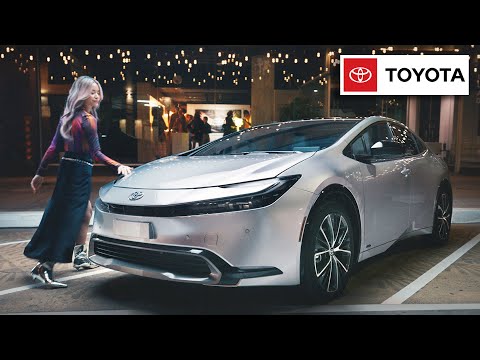
Best for Rideshare and City Delivery: 2016-2022 Toyota Prius (Gen 4)
If your side hustle involves driving 200 miles a day in city traffic, the fuel savings of a Prius will pay for the car itself. The fourth-generation Prius significantly improved the driving dynamics and battery cooling over previous models, making it a rugged choice for 24/7 operation.
- Pros:
- Consistently achieves 50+ MPG in stop-and-go traffic.
- Regenerative braking extends the life of brake pads significantly.
- Extremely low incidence of major mechanical failure.
- Cons:
- Higher initial purchase price than non-hybrid peers.
- Potential for expensive hybrid battery replacement after 200,000 miles.
Best Small Cargo/Utility: 2012-2015 Honda Fit
For couriers and small-item delivery, the Honda Fit is a master of interior space. Its Magic Seats allow the interior to be configured for tall or wide items that would usually require a cargo van. The 2012-2015 models are particularly praised for their mechanical robustness.

- Pros:
- Best-in-class interior volume and cargo flexibility.
- Small footprint makes city parking and narrow-alley navigation easy.
- Simple mechanical layout is very DIY-friendly for maintenance.
- Cons:
- Sub-par noise insulation makes long highway stints tiring.
- Firm suspension can be jarring on poorly maintained city streets.
Best Budget Workhorse: 2013-2016 Mazda3 (SkyActiv)
For owners on a strict budget who want a car that feels more premium than a Corolla, the Mazda3 with the 2.0L SkyActiv engine is an underrated gem. It uses a traditional 6-speed automatic transmission rather than a CVT, which some fleet owners prefer for long-term durability.
- Pros:
- More engaging driving experience than Toyota or Honda.
- Timing chain-driven engine eliminates the need for costly timing belt services.
- Highly competitive pricing on the used market.
- Cons:
- Back seat and trunk space are tighter than the Corolla.
- Infotainment systems on earlier models can be glitchy.
Comparative Summary
| Vehicle | Best Use Case | Key Advantage | Maintenance Level |
|---|---|---|---|
| Toyota Corolla | General Fleet | Ultimate Reliability | Very Low |
| Toyota Prius | Rideshare / City | Fuel Economy | Low (Watch Battery) |
| Honda Fit | Courier / Delivery | Interior Cargo Space | Very Low |
| Mazda3 | Budget Fleet | Value for Money | Low |
Frequently Asked Questions (FAQs)
Q: Is it better to buy a newer car with high mileage or an older car with low mileage for a fleet?
A: For business use, a newer car with higher mileage is often better. Newer vehicles have updated safety features and more efficient engines. High mileage on a young car usually indicates highway miles, which are much easier on the transmission and suspension than city miles.
Q: Should I buy a vehicle with a rebuilt title for a side hustle?
A: Generally, no. While the purchase price is lower, insurance companies often charge higher premiums for rebuilt titles, and some rideshare platforms like Uber or Lyft may not allow them on their platforms.
Q: How often should I perform maintenance on a fleet vehicle?
A: If the car is being used for delivery or rideshare, it falls under the Severe Driving schedule in your owner's manual. This usually means changing the oil every 5,000 miles rather than 10,000, and checking brakes and fluids monthly.
Final Verdict: Choosing Your Money-Maker
When your livelihood depends on a vehicle, the best choice is the one that stays out of the repair shop.
If fuel costs are your biggest overhead, the Toyota Prius is the undisputed king of the urban side hustle. For those who need a versatile vehicle that can haul groceries, packages, or passengers with equal ease, the Honda Fit offers unmatched utility.
However, for the average fleet owner looking for the lowest risk and easiest maintenance, the 2014-2019 Toyota Corolla remains the safest investment you can make. It is not the most exciting car on the road, but from a balance sheet perspective, it is a masterpiece.



No Comments Yet
Be the first to comment on this article.