Curtis.Castiglione@ROzebra.com
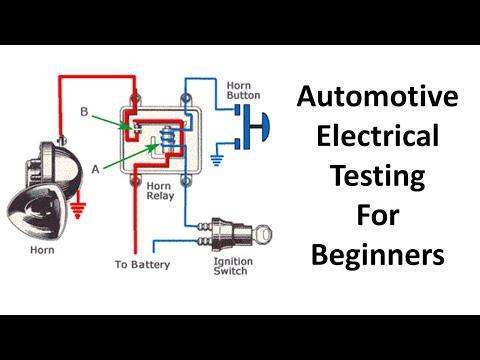
Automotive Multimeter Usage Guide
Modern vehicles are complex machines that function more like rolling computers than simple mechanical devices. While you can usually see a worn-out fan belt or a leaking radiator with your own eyes, electrical problems are often invisible. This is where a digital multimeter becomes an essential part of your collection of automotive tools.
A multimeter acts as your eyes inside the electrical system. It is a handheld device used to measure various electrical values, allowing you to determine if electricity is reaching a component, how much pressure is behind it, and whether there is a blockage in the circuit. For any vehicle owner looking to move beyond basic oil changes and tire rotations, understanding what a multimeter is used for on a car is the first step toward mastering DIY electrical diagnostics.

What Is a Multimeter?
A multimeter is a versatile electrical testing instrument that combines several measurement functions into one unit. The name itself is a giveaway: 'multi' means many, and 'meter' refers to measurement.
In the past, these garage tools featured a physical needle that moved across a scale (analog), but today, almost all car diagnostic tools of this type are digital. Digital multimeters provide a clear numerical readout on an LCD screen, making them much easier for beginners to use accurately.
What Does a Multimeter Do?
The primary job of a multimeter is to measure three specific characteristics of electricity:
- Voltage (Volts): This measures electrical pressure. In a car, you are dealing with DC (Direct Current) voltage. A healthy, fully charged car battery should show about 12.6 volts when the engine is off.
- Resistance (Ohms): This measures how much a component or wire resists the flow of electricity. High resistance is often caused by corrosion, loose connections, or damaged wires.
- Current (Amps): This measures the actual flow of electricity through a circuit. It is often used to see how much power a specific part, like a fuel pump or a blower motor, is consuming.
Most multimeters also feature a continuity setting. This is a simple test that usually makes a beep sound if there is a continuous, unbroken path for electricity to travel between the two probes. It is the fastest way to check if a fuse is blown or if a wire has been snapped inside its insulation.
How Is a Multimeter Used?
Using a multimeter involves connecting two color-coded leads—usually a black lead for negative (ground) and a red lead for positive—to the meter and then to the part of the vehicle you are testing.
- Select the Function: You turn the center dial to the type of measurement you need. For most automotive work, you will select DC Voltage (often symbolized by a V with a straight line over it).
- Connect the Leads: The black probe typically goes into the COM (common) port, and the red probe goes into the port marked for Volts or Ohms.
- Probe the Circuit: To check a battery, for example, you touch the red probe to the positive terminal and the black probe to the negative terminal. The meter will then display the voltage reading.
- Check for Continuity: If you are testing a fuse, you would switch the dial to the continuity icon (which looks like a small sound wave). You touch one probe to each side of the fuse; if it beeps, the fuse is intact.

When Would You Need a Multimeter?
You would reach for this tool whenever an electrical component in your car or truck stops working as expected. Instead of guessing and replacing parts—a practice often called 'throwing parts at the problem'—a multimeter allows for a data-driven repair.
Real-World Examples:
- The No-Start Condition: If your truck won't start on a cold morning, you can use the meter to check the battery voltage. A reading of 12.6V is healthy, but a reading of 10.5V suggests a dead cell or a severely discharged battery.
- Headlight Failure: If one headlight is out and a new bulb doesn't fix it, you can use the multimeter to check for voltage at the headlight plug. If there is no voltage reaching the plug, you know the problem is further back in the wiring or a fuse.
- Charging System Issues: You can test if your alternator is working by measuring the battery voltage while the engine is running. It should jump from 12.6V to somewhere between 13.5V and 14.5V. If it stays at 12V, the alternator isn't charging.
- Parasitic Draw: If your battery dies every night, you can use the Amps setting to see if a component (like a trunk light that stays on) is pulling power when the car is supposed to be off. This helps you identify which circuit is responsible for draining your battery.
Types of Multimeters
When browsing for DIY automotive tools, you will generally see two types:
- Manual-Ranging: You must manually select the voltage range you expect to see (e.g., 2V, 20V, or 200V). If you select a range that is too low, the meter may display an error.
- Auto-Ranging: These are much friendlier for beginners. You simply select Voltage, and the meter automatically adjusts itself to the correct range to give you the most accurate decimal reading.
There are also specialized professional automotive equipment versions that include Clamp Meters for measuring high current without breaking the circuit, or meters that can measure engine RPM (Tachometer) and temperature via external probes.
What Should You Look for When Choosing One?
You don't need the most expensive industrial meter for basic vehicle repair tools. However, look for these features:
- Auto-Ranging: It saves time and prevents confusion for those new to electrical work.
- Safety Rating: Look for a CAT II or CAT III rating, which ensures the meter can handle electrical spikes without failing.
- Build Quality: A meter with a rubberized outer case (often called a boot) is better for a garage environment where it might be dropped on a concrete floor or knocked off a fender.
- Backlit Screen: Many electrical repairs happen in dark areas like under the dashboard or in the engine bay at night. A clear, glowing screen is a major advantage.
DIY vs. Professional Use
For the average DIYer, a basic digital multimeter is more than enough to diagnose 90% of common car problems. These are affordable and easy to store in a standard toolbox. They provide enough accuracy for checking batteries, fuses, and basic sensor outputs.
Professional automotive equipment is usually more rugged and has a higher sampling rate, meaning it can catch very fast changes in voltage that a cheaper meter might miss. Professionals also use specialized meters for Electric Vehicles (EVs) and Hybrids. If you are working on an EV, you must use a high-voltage rated meter and specific safety gear, as those systems carry enough voltage to be fatal.
Common Mistakes When Using a Multimeter
- Measuring Resistance on a Live Circuit: This is the most common way to blow a fuse inside the meter or damage the device. Always ensure the power is off or the component is disconnected before measuring Ohms (resistance).
- Poor Grounding: If your black probe is touching a rusty bolt or a painted surface, you will get an inaccurate reading. Always find clean, bare metal for your ground connection to ensure a complete circuit.
- The Surface Charge Illusion: A battery might show a good 12.6V on the screen, but that doesn't mean it has the strength to start the car. A multimeter shows the pressure, but it doesn't always show if the battery can handle a heavy load. If the voltage drops significantly while trying to crank the engine, the battery is likely failing.
Safety Considerations
While 12 volts from a standard car battery won't give you a dangerous shock, the battery can produce hundreds of amps of current. If you accidentally bridge the positive and negative terminals with a metal tool or the meter's probes, it can cause a massive spark, fire, or severe burns.
Always keep your meter leads away from moving parts like the cooling fan or the engine's serpentine belt. Furthermore, never use a standard multimeter on the orange-colored high-voltage cables of a hybrid or electric vehicle. Those cables carry high voltage that can be lethal.
Frequently Asked Questions
Can I use a multimeter to check if a fuse is good? Yes. Use the continuity setting. Touch one probe to each of the two small metal test points on the back of the fuse while it is still in the fuse box. If the meter beeps, the fuse is good. If it stays silent, the fuse is blown and needs replacement.
What does it mean if my multimeter shows a negative number? It simply means your probes are backward. If you put the red probe on the negative side and the black on the positive, the meter will show something like -12.6V. Just swap them around to get a positive reading; it does not harm the meter or the car.
Is a multimeter better than a simple test light? A test light only tells you if electricity is present (the light turns on). A multimeter tells you exactly how much is present. This is important because a component like a computer sensor might fail if it only gets 4 volts when it needs 5 volts; a test light might still glow, but the multimeter will show you the exact problem.
Conclusion
What is a multimeter used for on a car? It is the bridge between guessing and knowing. Whether you are a beginner looking to save money on a simple battery replacement or an enthusiast tracking down a complex wiring fault, this tool provides the clarity needed to fix electrical issues safely and effectively. By adding a digital multimeter to your mechanic tools, you gain the ability to diagnose the invisible side of your vehicle with confidence.



No Comments Yet
Be the first to comment on this article.