Curtis.Castiglione@ROzebra.com

Advanced Collision Repair Standards and OEM Compliance
For decades, collision repair operated under a loose industry consensus: straighten the frame, pull the dents, and match the paint. Methods were largely universal because vehicle architectures were uniform, consisting mostly of mild steel bodies bolted to full-length frames. Today, that approach introduces catastrophic risk. Modern vehicles are complex, multi-material safety cells integrated with sensitive electronic architectures and advanced restraint systems.
The era of the "generic" repair is over. Repair quality is now strictly binary: either a repair follows Original Equipment Manufacturer (OEM) procedures, or it compromises the vehicle's structural integrity and occupant safety.
1. The Educational Baseline: I-CAR and the PDP
Founded in 1979, the Inter-Industry Conference on Auto Collision Repair (I-CAR) serves as the industry's neutral, third-party training organization. As vehicle technology outpaces traditional apprenticeship models, I-CAR’s Professional Development Program (PDP) provides a standardized roadmap for technical competency across several role paths, including Estimators, Structural Technicians, and Refinish Technicians.
Gold Class vs. Platinum Designation
- Gold Class Recognition (For Businesses): Signifies that a collision repair facility has achieved a high level of role-relevant training across all major disciplines. To maintain Gold Class, shops must ensure staff progress through I-CAR's ProLevel structure and fulfill mandatory annual training credits.
- Platinum Individual (For Technicians): The highest personal designation a technician can earn, achieved by reaching ProLevel 3 and maintaining ongoing yearly training.
With the rapid shift in vehicle technology, I-CAR has integrated mandatory Advanced Driver Assistance Systems (ADAS) training across all core roles. This ensures every technician understands how body panels, paint thickness, and structural alignment affect digital sensors.
2. The Supremacy of OEM Repair Procedures
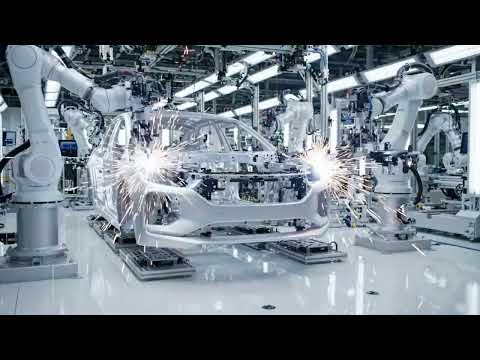
While I-CAR provides the foundational mechanics and material science training, OEM position statements and repair manuals are the ultimate legal and technical authority. Insurance guidelines and traditional estimating databases—such as CCC ONE or Mitchell—frequently lag behind engineering changes. When a conflict arises between an insurance estimate and an OEM position statement, the OEM guidelines always govern.
Why OEM Procedures Are Non-Negotiable
- Single-Use Components: Modern crash architecture relies on components engineered to deform or fail absorbingly upon impact. Specific steering fasteners, suspension bolts, and specialized rivets are often designated as one-time-use. Reusing them is a severe liability.
- Heat Restrictions: Applying torch heat to straighten high-strength or ultra-high-strength boron steel alters its molecular structure, destroying its crash-energy management capabilities.
- Corrosion Protection: Modern multi-material bonding (such as aluminum to steel) requires specialized isolation barriers to prevent galvanic corrosion. Skipping factory-specified bonding protocols can cause structural joint failure years later.
3. The Metallurgy of Modern Energy Management
The transition from "metalworkers" to "material science specialists" is driven by the use of High-Strength Steels (HSS), Ultra-High-Strength Steels (UHSS), and aluminum alloys.
The Steel Spectrum and the "No-Heat" Rule Modern vehicle architectures utilize varying grades of steel to balance weight and crashworthiness. While Mild Steel (up to 210 MPa) is forgiving, UHSS and Boron Steel (above 600 MPa) are heat-treated during manufacturing. Applying an oxy-acetylene torch to these components permanently softens the metal at a molecular level, creating a "soft spot" in the safety cell. In a subsequent impact, this weakened area will collapse prematurely, potentially failing to trigger airbags correctly or allowing cabin intrusion.
Multi-Material Joining and Galvanic Corrosion The shift toward aluminum-intensive vehicles introduces the risk of galvanic corrosion. When aluminum and steel come into contact in the presence of moisture, a chemical reaction occurs that causes the aluminum to oxidize and disintegrate. Mandatory isolation protocols include:
- Dedicated aluminum-only tools to prevent cross-contamination of steel dust.
- OEM-specified structural adhesives to create a non-conductive barrier.
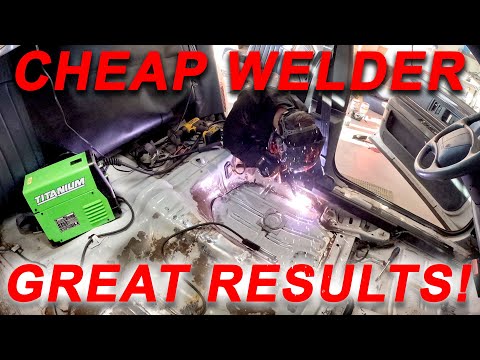
- Specialized mechanical fasteners, such as Self-Piercing Rivets (SPRs), which require specific hydraulic pressure settings.
4. ADAS and the Digital Repair Environment
Modern collision repair is as much a digital trade as a mechanical one. Advanced Driver Assistance Systems (ADAS)—including Automatic Emergency Braking (AEB) and Lane Keep Assist (LKA)—are intrinsically tied to the vehicle's physical structure. A shift of just one degree in a mounting bracket or a three-millimeter variance in a frame rail can render these safety systems inoperable.
The Diagnostic Standard Every vehicle involved in a collision must undergo a diagnostic scan:
- Pre-Repair Scan: Identifies "hidden" faults that do not trigger a dashboard warning light, ensuring all electronic damage is captured in the initial estimate.
- Post-Repair Scan: Verifies that all systems are communicating correctly after reassembly.
The Calibration Requirement Calibration aligns the "eyes" (cameras, radar, and lidar) with the vehicle's physical trajectory. This includes Static Calibration (controlled shop environment with targets) and Dynamic Calibration (on-road testing). A common friction point is the "No Dash Light" argument from adjusters; however, many sensors will operate with a "soft fault," meaning they are misaligned but still functional. In an emergency, a misaligned sensor may fail to detect a pedestrian, shifting the legal liability entirely onto the repair facility.

5. Practical Friction Points: Shop vs. Adjuster
Understanding the weight of I-CAR training and OEM standards gives repair planners necessary leverage when managing insurance disputes.
- The Op-Code Gap: Standard estimating databases do not automatically populate every operation required by an OEM. Planners must manually include prerequisites like diagnostic scans or specialized isolation procedures.
- The Tooling Investment Gap: Correctly repairing UHSS or structural aluminum requires a Squeeze-Type Resistance Spot Welder (STRSW) and specialized rivet guns, often costing upwards of $50,000. Repair planners must use OEM position statements to justify the technical overhead required to maintain this equipment.
- Sectioning vs. Replacement: Legacy habits suggest cutting a pillar to save time, but many UHSS components are non-sectionable. Unless the OEM procedure provides a specific location, the entire component must be replaced at factory seams.
Actionable Takeaways for Collision Professionals
- OEM Manuals are Law: They are not suggestions. If a conflict exists with an insurance database, the OEM procedure is the only safe path forward.
- Verify Metallurgy by VIN: Use the "Material Identification" section of the service manual to identify UHSS/Boron steel before beginning structural work.
- Calibration is Non-Negotiable: If a sensor is removed, replaced, or the vehicle geometry is altered, the ADAS must be calibrated regardless of whether a warning light is present.
- Structural Certification: Ensure technicians maintain hands-on welding certifications (such as I-CAR WCS03) to meet destructive testing standards established by OEMs.



No Comments Yet
Be the first to comment on this article.