Curtis.Castiglione@ROzebra.com

A Guide to Transmission Fluid Maintenance Intervals
Transmission-fluid service is often cited as one of the most confusing maintenance subjects for vehicle owners. This confusion stems from the fact that manufacturers use vastly different recommendations. While some vehicles specify a strict replacement interval, others label the fluid as "lifetime," leading many drivers to wonder if they ever need to service it at all.
Understanding how often should you change transmission fluid is essential for the long-term health of your vehicle. Neglecting this service can lead to performance issues and, eventually, some of the most expensive repair bills in the automotive world.
What is Transmission Fluid Service?
Transmission fluid is a hard-working multitasker within your vehicle's drivetrain. It serves three primary roles:
- Lubrication: It coats moving gears and bearings to prevent metal-on-metal wear.
- Cooling: It whisks heat away from the internal components to prevent overheating.
- Hydraulics: In automatic transmissions, the fluid acts as a hydraulic medium, providing the pressure necessary to shift gears.
Over time, this fluid can break down due to high temperatures or become contaminated with tiny metal shavings and friction material from normal internal wear. A transmission service typically involves removing the old, degraded fluid and replacing it with fresh fluid. Depending on your vehicle's design, this may also include replacing a transmission filter and cleaning the transmission pan to remove debris.
When is Transmission Fluid Maintenance Normally Performed?
Because transmission designs vary significantly, there is no one-size-fits-all interval. However, there are common industry milestones based on the type of transmission you have:
- Manual Transmissions: Many manufacturers recommend an interval between 30,000 and 60,000 miles.
- Automatic Transmissions: Standard intervals often range from 60,000 to 100,000 miles.
- Lifetime Fluids: Some modern vehicles are marketed with "lifetime" fluid and have no suggested change interval for normal driving. However, most technicians suggest an inspection or a fluid exchange near the 100,000-mile mark to ensure the transmission continues to operate smoothly as the vehicle ages.
Why Transmission Fluid Maintenance Matters
Fresh fluid ensures that internal components stay lubricated and that the hydraulic system maintains the pressure needed to change gears accurately.
As fluid ages, its viscosity (thickness) changes and its protective additives wear out. This leads to increased friction, which generates more heat. Since excessive heat is the primary cause of transmission failure, maintaining fresh fluid is your best defense against internal seals hardening or metal parts wearing out prematurely.
Factors That Can Change the Maintenance Interval
The normal maintenance schedule assumes ideal driving conditions. However, many drivers actually fall into the severe service category. If your driving habits involve any of the following, you may need to change your fluid more frequently—often as every 30,000 to 45,000 miles:
- Towing and Hauling: Regularly pulling a trailer or carrying heavy loads.
- Stop-and-Go Traffic: Frequent driving in heavy city traffic or idling for long periods.
- Extreme Climates: Operating in very hot or very cold environments.
- Mountainous Terrain: Frequent climbing and descending of steep grades.
- Commercial Use: Using the vehicle for delivery, ride-share driving, or as a fleet vehicle.
What is Typically Checked or Serviced?
When you take your vehicle in for a transmission service, a professional technician will generally perform the following:
- Fluid Level and Condition Check: The technician inspects the color and smell of the fluid. Dark or burnt-smelling fluid is a red flag for internal overheating or mechanical problems.
- Leak Inspection: They will check the transmission pan, cooler lines, and seals for signs of leaks.
- Pan and Filter Service: If your vehicle has a serviceable filter, the technician removes the pan, cleans the internal magnets (which catch metal shavings), replaces the filter, and adds new fluid.
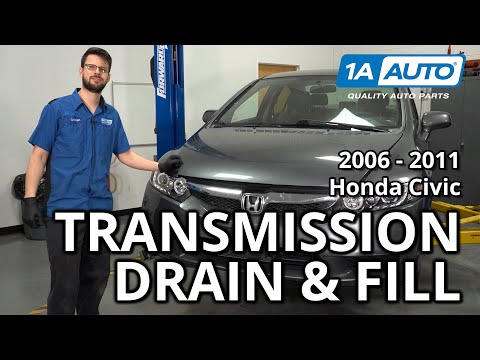
- Fluid Exchange vs. Flush: A "drain and fill" replaces about 30% to 50% of the fluid. A "transmission flush" uses a machine to replace nearly all of it. Always follow your manufacturer’s specific recommendation regarding flushes, as some transmissions can be damaged by certain flush procedures.
What Can Happen if Maintenance is Neglected?
If you skip transmission maintenance, the fluid will eventually lose its ability to protect the internal components. This often results in noticeable performance issues, such as:
- Slipping: The engine revs up, but the vehicle doesn't accelerate as it should.
- Rough Shifting: You may feel the vehicle jerk or thump when changing gears.
- Delayed Engagement: A long pause occurs when you shift from Park into Drive or Reverse.
- Complete Failure: If the transmission overheats and the parts seize or break, the resulting repair or replacement can cost thousands of dollars.
Questions to Ask Your Repair Shop
Before approving a transmission service, ask your service advisor these clarifying questions to ensure you are getting the correct care for your vehicle:
- Does the manufacturer of my vehicle recommend a simple fluid exchange or a full machine flush?
- Will the transmission filter be replaced, or is it a non-serviceable internal part on my model?
- Does my vehicle require a specific proprietary fluid, and is that what will be used?
- Did the technician find any metal debris or a burnt smell when inspecting the old fluid?
When to Consult the Manufacturer Maintenance Schedule
Transmission technology has evolved rapidly. Today's vehicles might use traditional automatics, manuals, Continuously Variable Transmissions (CVT), or Dual-Clutch Transmissions (DCT). Each of these requires a specific type of fluid and has a unique service schedule.
You should always consult your owner's manual or the manufacturer's official maintenance schedule to determine the exact requirements for your specific year, make, and model. If you do not have your manual, a dealership service department or a qualified independent shop can look up the schedule using your Vehicle Identification Number (VIN). Don't guess when it comes to "how often should you change transmission fluid"—the manufacturer's documentation is the ultimate authority for your specific car.



No Comments Yet
Be the first to comment on this article.