Curtis.Castiglione@ROzebra.com
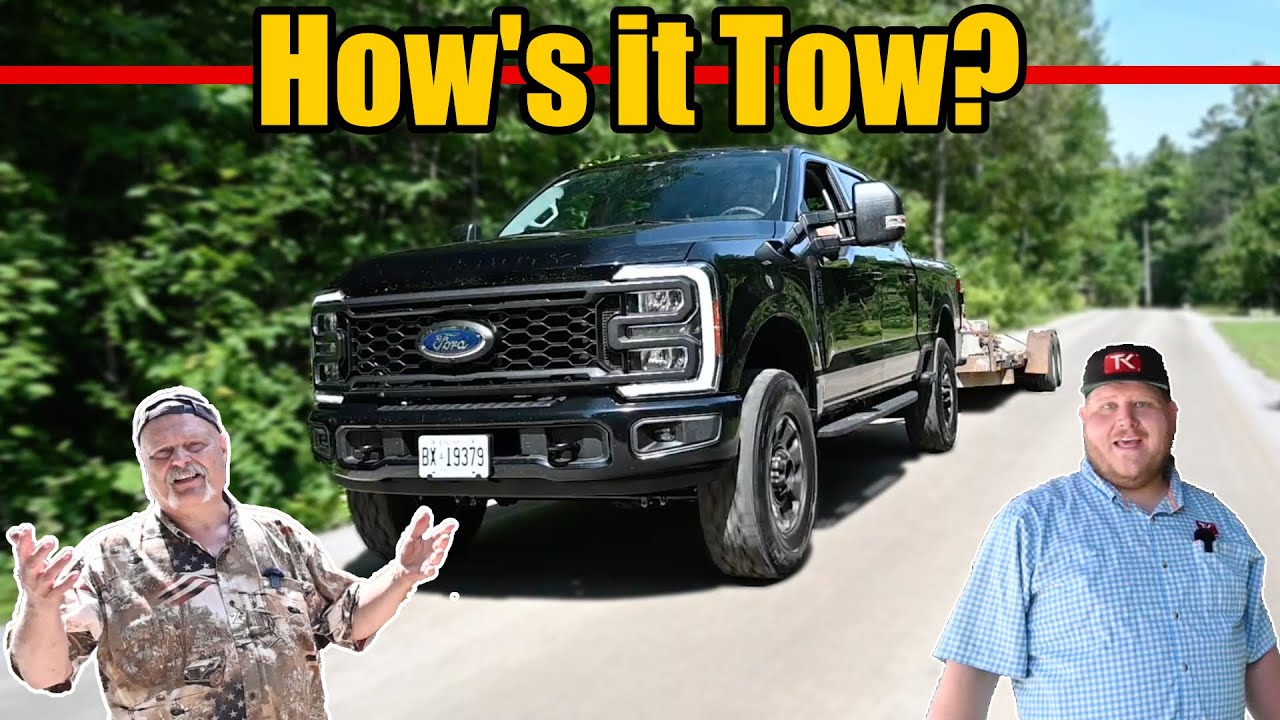
2023 Ford F-250 Hitch and Frame Insurance Guide
By Curtis Castiglione
When a 2023 Ford F-250 Super Duty is involved in a rear-end collision, most owners look at the bumper and tailgate first. However, if that truck is equipped with a fifth-wheel or gooseneck hitch, the damage profile changes entirely. Unlike a standard passenger car where the bumper is designed to be the primary energy absorber, a heavy-duty truck with a frame-mounted hitch can transfer collision forces directly into the backbone of the vehicle.
For the owner, this transforms a simple cosmetic repair into a complex structural and mechanical insurance claim. Understanding how these components are inspected, how insurance coverage applies, and why the repair process is so involved is the only way to ensure your truck is safe to tow 20,000+ pounds again.
Does insurance cover the replacement of a fifth-wheel hitch?
Whether your insurance policy covers the hitch depends largely on how the truck was built and how your policy is written.
- Factory-Installed Equipment: If your F-250 was ordered with the Ford Fifth-Wheel/Gooseneck Prep Package from the factory, the hitch mounting structure is considered part of the base vehicle. It is covered under your standard collision coverage just like a fender or a headlamp.
- Aftermarket Equipment: If you installed an aftermarket hitch, such as a B and W Companion or Reese, coverage can be more restrictive. Most standard policies have a Custom Parts and Equipment (CPE) limit, often capped at 1,000 or 5,000 dollars. If your high-end hitch and installation exceed that limit, you may be out of pocket unless you purchased a specific endorsement for additional equipment.
Practical Step: Before authorizing a replacement, review your Declarations Page for CPE limits and provide the shop with the original invoice for the aftermarket hitch to document its value for the insurance adjuster.

Why is the repair estimate for a fifth-wheel-equipped truck so complex?
In a standard collision, the bumper brackets are designed to crush and absorb energy. However, a fifth-wheel hitch is anchored directly to the high-strength steel frame. If the impact hits the hitch, or if a trailer was attached at the time of the accident, the force bypasses the bumper crush zones.
This leads to hidden damage that a visual estimate cannot capture:
- Bed Floor Buckling: The aluminum alloy bed of the 2023 F-250 is lightweight and strong, but it can ripple or tear where the hitch mounting rails are bolted through it.
- Elongated Mounting Holes: The sheer force of the impact can oval out the holes in the frame or the bed, compromising the hardware ability to stay torqued.
- Frame Displacement: The energy can cause a diamond condition, where one frame rail is pushed further forward or back than the other, even if the rails do not look bent.
Why did my insurance estimate change after the shop started working?
It is nearly a guarantee that the first estimate you receive from an insurance company will be lower than the final bill. This is because initial appraisals are typically visual-only.
Once the truck arrives at a qualified repair facility, the shop will perform a teardown. This involves removing the rear bumper and tailgate, removing the fifth-wheel hitch assembly, and potentially lifting or removing the truck bed to see the frame rails and crossmembers.
When the shop finds damage that was not on the original estimate, they submit a supplement. This is a request for additional funds and labor hours. In the case of a Super Duty, a supplement often includes specialized labor for frame measuring or the cost of one-time-use fasteners that Ford requires technicians to discard once they are loosened.
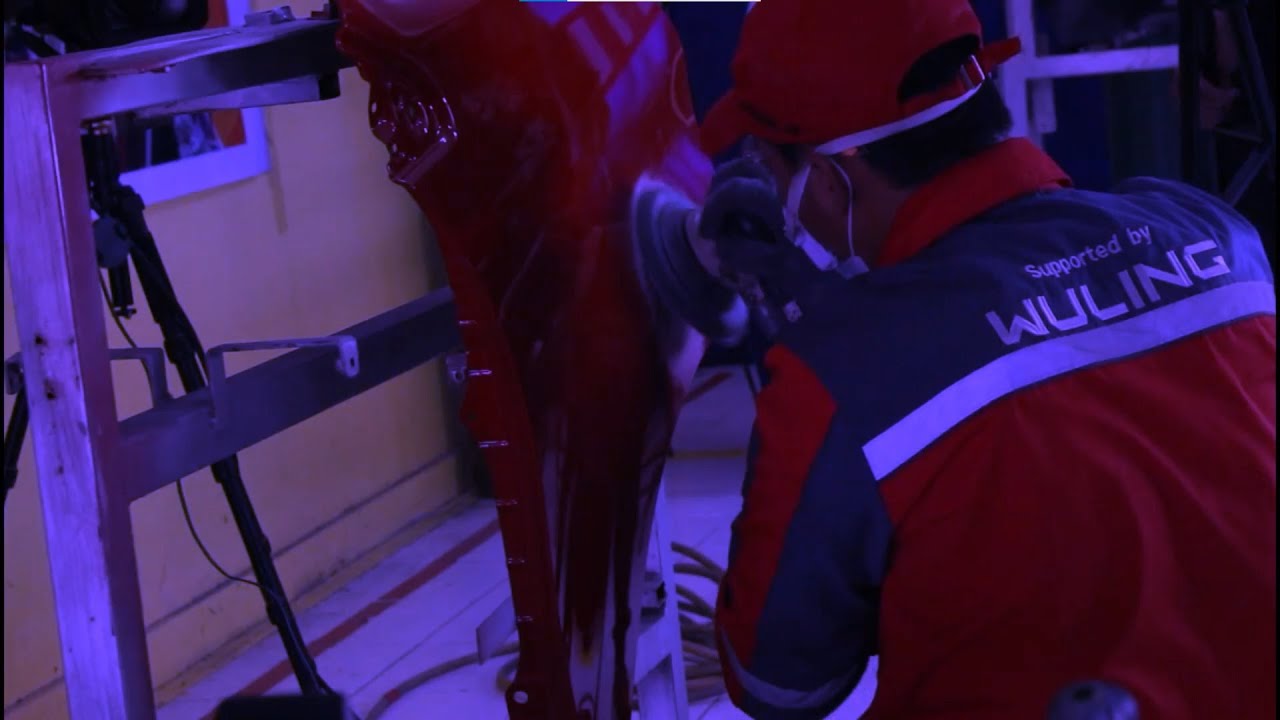
Frame Integrity: The Setup and Measure Process
The 2023 F-250 utilizes a fully boxed, high-strength steel frame. Ford provides very strict guidelines on how these frames can be handled. If the metal is kinked or bent beyond specific tolerances, the frame may be non-repairable, requiring a full frame replacement.
If there is evidence of structural stress, such as flaking paint on the frame rails which indicates the metal has flexed, the insurance company should pay for a setup and measure fee. The shop places the truck on a computerized frame rack that uses lasers or ultrasound to compare your truck dimensions to factory specifications.
- If the frame is in-spec, the insurer pays for the diagnostic time.
- If the frame is out-of-spec, the insurer pays for the diagnostic time plus the labor to pull the frame back to center or replace the section or chassis as required.

Towing Safety After Repairs: What You Should Demand
A truck can look perfectly straight and still be unsafe for heavy towing. To protect yourself, ensure the following steps are taken before you hook up a trailer:
- Request the Alignment and Frame Reports: Do not take the shop word for it. Ask for the printouts from the computerized frame machine and the four-wheel alignment rack.
- Hardware Verification: Fifth-wheel hitches rely on Grade 8 or specialized hardware. Ensure the shop did not run to the hardware store but instead used the specific fasteners mandated by the hitch manufacturer or Ford.
- ADAS Recalibration: The 2023 F-250 is packed with technology. If the bumper was replaced or the frame was pulled, the Blind Spot Information System (BLIS) sensors in the taillamps and the backup cameras and sensors must be recalibrated to ensure they see the world and your trailer correctly.
Can I choose which parts are used for the repair?
This is a common point of contention. Most insurance policies contain parts language allowing the use of Like Kind and Quality (LKQ) or aftermarket parts.
However, for a 2023 model, aftermarket structural components or hitches may not even exist yet. Furthermore, because a fifth-wheel hitch is a critical safety component responsible for securing massive loads, many owners and shops insist on Original Equipment Manufacturer (OEM) parts. If your insurer refuses to pay the price difference for OEM parts, you may be responsible for the gap in cost. For many Super Duty owners, the peace of mind regarding towing capacity is worth the investment.
Summary of Practical Steps for the Owner
- Notify your insurer immediately that the vehicle has a fifth-wheel hitch and clarify if it is factory or aftermarket.
- Choose a shop with a heavy-duty frame rack; not every body shop is equipped to handle a long-wheelbase Super Duty.
- Request a teardown before the insurance adjuster finishes the final estimate.
- Keep documentation of all frame measurements and part numbers for your records; this will be vital for maintaining resale value and proving the vehicle safety for future towing.

No Comments Yet
Be the first to comment on this article.