Curtis.Castiglione@ROzebra.com

2023 Chevrolet Bolt EUV Collision Repair and Insurance Guide
By Curtis Castiglione
When you look at the front end of a 2023 Chevrolet Bolt EUV after a low-speed collision, you might only see a cracked plastic bumper and a dented hood. However, in the world of Electric Vehicles (EVs), what lies beneath the surface is a dense network of high-voltage cables, sensitive sensors, and a complex thermal management system.
Repairing an EV is fundamentally different from repairing a traditional gasoline vehicle. If you are navigating an insurance claim for your Bolt EUV, understanding the relationship between the physical damage, manufacturer safety requirements, and insurance coverage is essential to ensuring your car is returned to a safe driving condition.
Why a front-end collision on a Bolt EUV is complex
The front of the Bolt EUV serves several critical functions beyond aesthetics. It houses:
- The ADAS Suite: Radar and camera sensors for automatic emergency braking and adaptive cruise control.
- Thermal Management: A cooling stack that regulates the temperature of the high-voltage battery and cabin.
- High-Voltage Architecture: Heavy-gauge wiring and the charging port interface.
- Structural Integrity: High-strength steel designed to protect the battery pack in a secondary impact.
Because these systems are interconnected, a seemingly minor impact can trigger a chain reaction of necessary inspections and diagnostic procedures.
From Initial Estimate to Supplement
One of the most common questions owners ask is: Why did my repair cost increase after the insurance company already wrote an estimate?
The initial estimate—whether written by an insurance adjuster in your driveway or via a photo-based app—is almost always a visual-only document. It only accounts for what can be seen without moving parts.
The real repair process begins with a teardown (also called blueprinting). The repair facility removes the bumper cover and trim to inspect the inner components. For a Bolt EUV, this is when a shop might discover a hairline crack in the charging port housing or a deformed radiator support. When these items are found, the shop submits a supplement to the insurance company. This is a request for additional funds to cover the hidden damage and the labor required to fix it.
High-Voltage Safety Inspections
Does insurance cover the cost of a high-voltage battery inspection? Generally, yes—if it is considered reasonable and necessary.
General Motors (the manufacturer of Chevrolet) has specific triggers for when a high-voltage system must be inspected after a collision. These triggers often include:
- Airbag deployment.
- Significant structural damage.
- Vehicle fire or submersion.
- Damage to the battery casing or high-voltage cabling.
Even if your dashboard displays no warning lights, an inspection may be required to verify the isolation of the system. This ensures that the high-voltage current is not leaking into the vehicle chassis, which could pose a shock hazard. A qualified repair facility will use specialized diagnostic tools to perform these tests. If your insurer questions this cost, the repairer should provide the specific Chevrolet service procedure that mandates the inspection.

Charging Port and Wiring Integrity
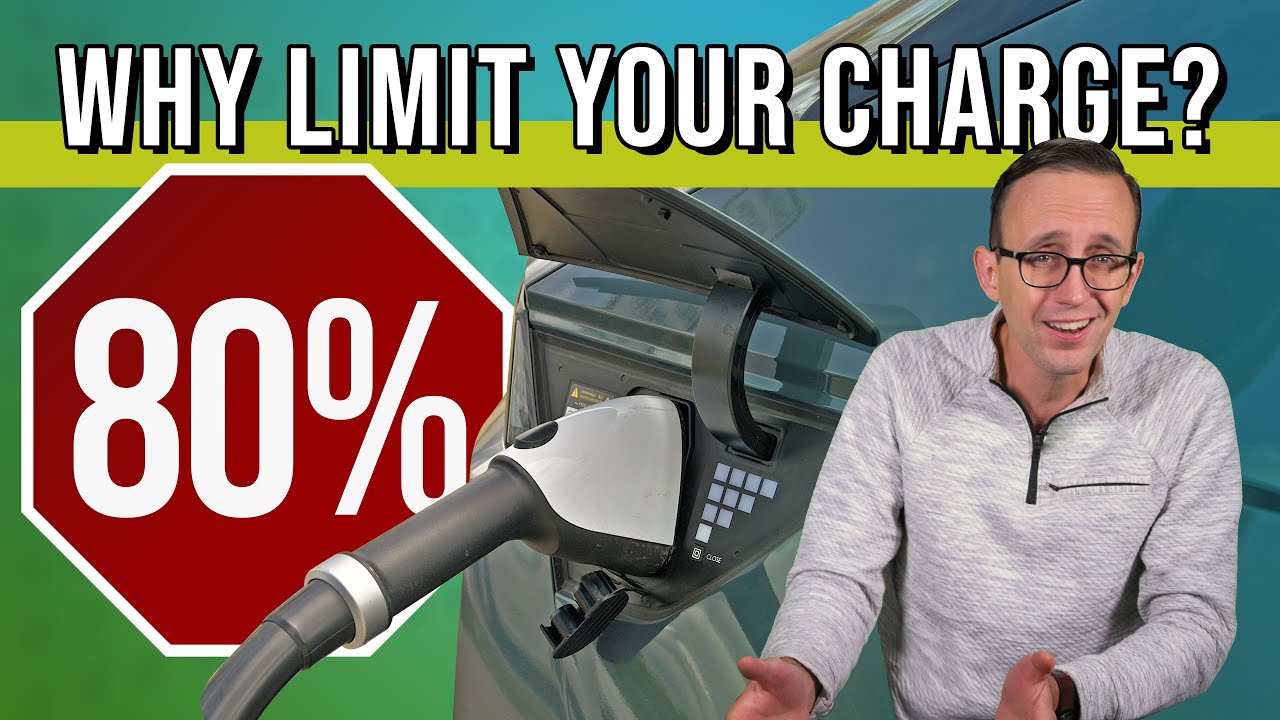
The charging port on the 2023 Bolt EUV is located on the front left fender. In a front-end collision, the impact energy can travel through the body panels and stress the charging port or the orange high-voltage cables connected to it.
Repairers must inspect these areas for chafing (rubbing), tension, or cracked housings. Replacing or even just inspecting these components often requires a Power Down procedure. A certified technician must remove the Manual Service Disconnect (MSD) and verify the vehicle is cold (electrically inert) before work begins. This is a specialized labor operation that should be itemized on your estimate.
Thermal Management and Cooling Stacks
Unlike a gasoline car with one radiator, the Bolt EUV uses a sophisticated system to keep its lithium-ion battery at a very specific temperature. A front-end hit can damage the:
- Radiator and AC Condenser: Essential for battery cooling.
- Coolant Pumps and Lines: Which carry fluid to the battery pack located under the floor.
- Active Grille Shutters: Which open and close to manage airflow.
If any of these components are compromised, the vehicle may require a coolant vacuum fill. This is a mechanical process that ensures no air bubbles are trapped in the battery cooling lines, which could cause hot spots and lead to premature battery degradation or failure.
The OEM vs. Aftermarket Debate
Insurance policies often allow for the use of aftermarket or alternative parts to keep costs down. However, for a 2023 Bolt EUV, this can be problematic.
The front bumper cover is more than just plastic; it is a window through which the vehicle’s radar and sensors view the world. If an aftermarket bumper has a different plastic thickness or metallic flake in the paint, it can interfere with the Advanced Driver Assistance Systems (ADAS).
If your insurer insists on aftermarket parts, your repair facility must ensure those parts do not void manufacturer warranties or compromise safety systems. If the manufacturer forbids the use of non-OEM parts for a specific safety-related repair, that documentation is vital for your claim.
Steps for the Vehicle Owner
If your insurance company disagrees with the repair shop over specialized labor or diagnostic time, take the following steps:
- Request a Pre-Scan and Post-Scan: Ensure the shop performs a diagnostic scan before the repair (to find hidden codes) and after the repair (to ensure all systems are cleared).
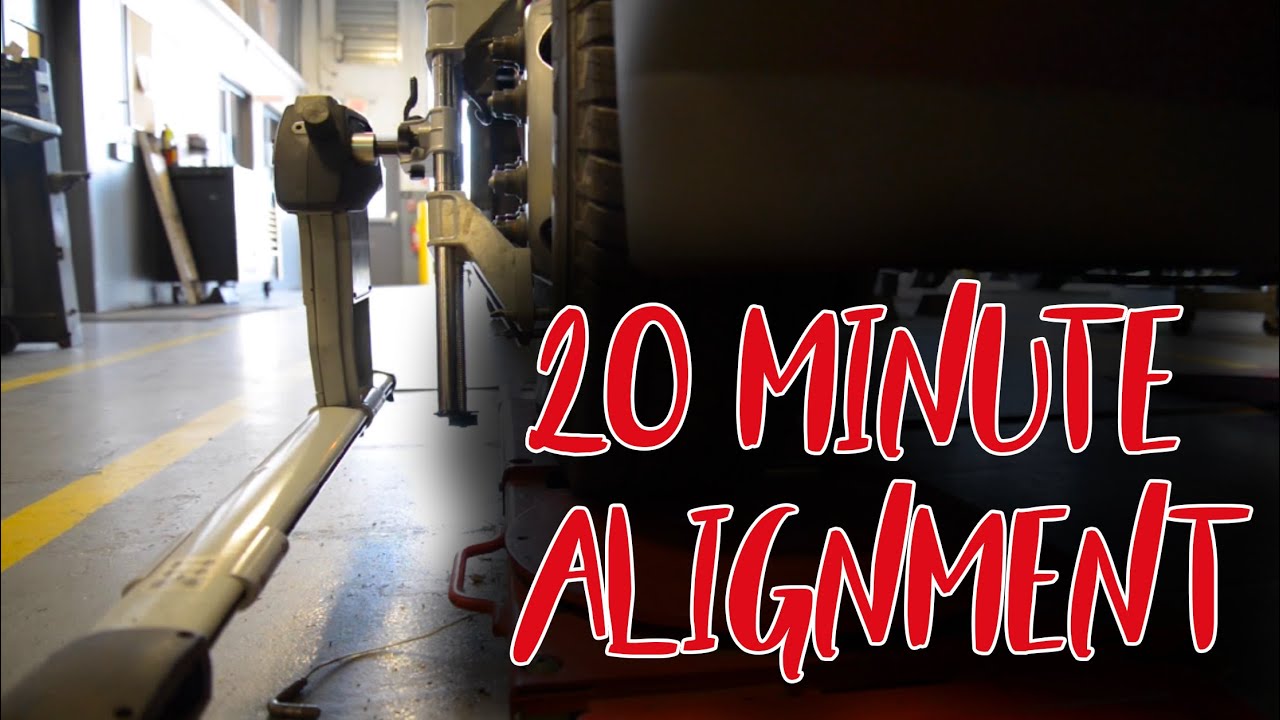
- Ask for the Calibration Report: If sensors were removed or the vehicle was aligned, the cameras and radar must be calibrated. Ensure you have documentation that this was completed.
- Review Your Policy: Check your Limit of Liability and Parts clauses to understand what your insurer is contractually obligated to pay for.
- Documentation is Key: If the insurer refuses a safety inspection, ask them to provide their reasoning in writing, and compare it against the manufacturer’s (Chevrolet’s) repair procedures.
The 2023 Chevrolet Bolt EUV is a high-tech machine that requires an evidence-based repair plan. By focusing on manufacturer-directed inspections and thorough diagnostics, you can ensure your EV remains as safe and reliable as it was the day it left the showroom. Always remember: the cheapest repair is rarely the safest one when high-voltage electricity is involved.



No Comments Yet
Be the first to comment on this article.