Curtis.Castiglione@ROzebra.com
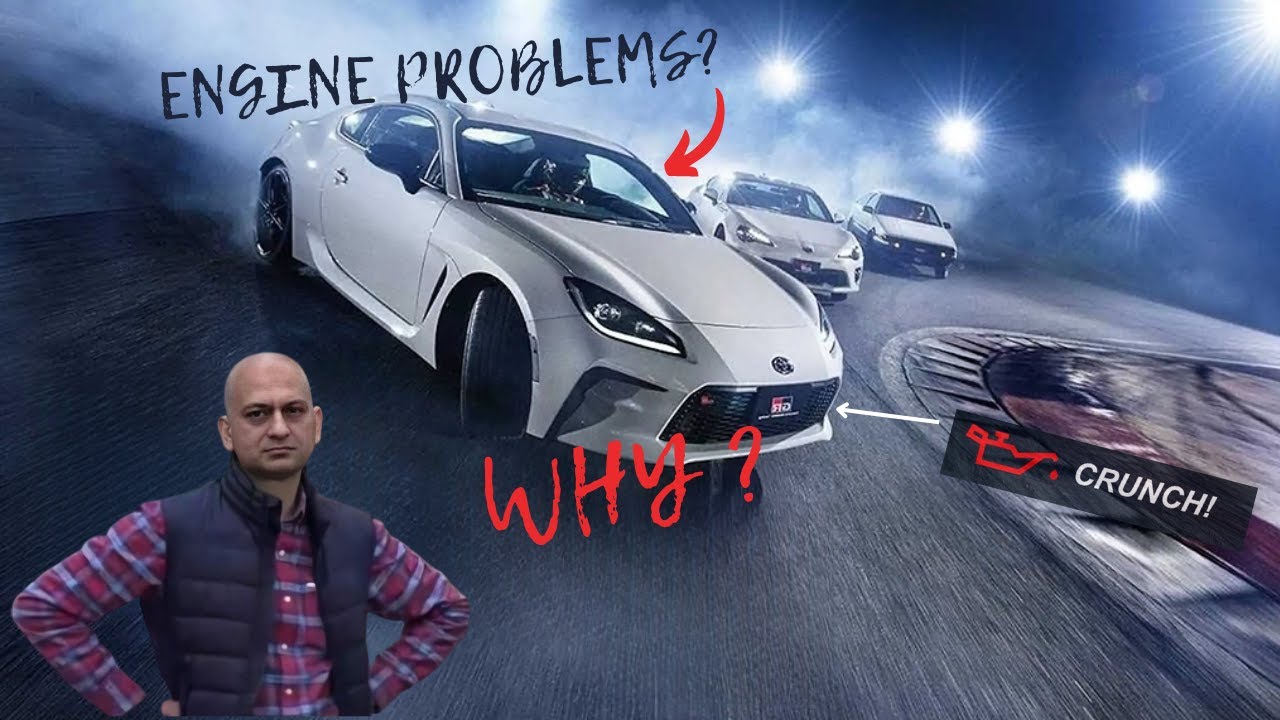
2022 Toyota GR86 Track-Day Insurance Claims: Collision vs. Wear
The 2022 Toyota GR86 is a masterpiece of attainable performance, designed specifically to be driven hard on technical circuits. However, when a track day ends in a tire wall rather than the paddock, the resulting insurance claim is anything but standard. Navigating a claim for a vehicle that straddles the line between a daily driver and a weekend racer requires an understanding of where collision damage ends and mechanical wear begins.
From an inspection standpoint, the challenge is proving exactly what happened during the incident versus what occurred over the course of thousands of miles of aggressive driving.
Does My Insurance Cover an Accident at a Racing Facility?
This is the first and most critical question an owner must face. Most standard personal auto insurance policies include a list of exclusions regarding racing, speed contests, or any activity performed on a surface used for racing.
- The Inside the Gate Exclusion: Some policies state that coverage ceases the moment your tires cross the gate of a racing facility, regardless of whether you are participating in a timed event or a casual High-Performance Driving Event (HPDE).
- Track-Day Insurance: Many GR86 owners carry a separate, short-term policy specifically for track events. These policies cover physical damage to the car while on the circuit but often have high deductibles and specific limitations regarding mechanical failures.
Before filing a claim, read your policy’s Exclusions section. If you are unsure, consult your agent or a qualified professional. Do not assume a standard collision policy covers a track incident.

Distinguishing Between Collision Damage and Mechanical Wear
Once a claim is initiated, the insurance adjuster and the repair facility must perform a cause of loss analysis. On a performance car like the GR86, this can be contentious because the line between sudden damage and gradual wear is often thin.
Identifying Clear Collision Evidence
A collision is a sudden, fortuitous event. Technicians look for a point of impact to justify repairs. Evidence includes:
- Physical Deformation: Bent suspension control arms, crushed subframes, or buckled unibody rails.
- Transfer Marks: Paint transfer from a barrier or scuffing on a wheel that indicates a lateral strike.
- Directional Damage: If a GR86 slides sideways into a curb, the load path should show damage moving from the wheel through the knuckle and into the strut or steering rack.

Signs of Mechanical Wear
Aggressive driving accelerates the aging of components. These are generally considered maintenance issues and are not typically covered by a collision claim:
- Heat Cycles: Discolored brake calipers or micro-cracking in brake rotors are results of extreme heat over time, not a single impact.
- Bushings and Bearings: A worn wheel bearing or a torn suspension bushing may be discovered during a post-accident inspection, but unless there is clear impact damage to the surrounding metal, it is usually categorized as wear and tear.
Why Estimates Grow: The Teardown and Supplement
A preliminary estimate for a GR86 might look simple—perhaps a bumper and a fender. However, the true cost is often hidden behind the plastic. The teardown process is where the shop removes damaged outer panels to inspect the structure.
For example, a front-corner impact on a GR86 can easily damage the aluminum hood, the radiator support, and the delicate cooling fins of the AC condenser. If the shop finds more damage during the teardown, they submit a supplement to the insurance company. This is a secondary estimate that includes parts and labor not visible during the initial walk-around. In track accidents, supplements often involve hidden steering rack damage or "diamond" damage, where the frame is pushed out of square.
Modern Technology and ADAS Calibrations
Even though the GR86 is a driver-focused car, it is packed with modern technology. Higher trims and automatic models feature Toyota’s active safety suite.
- Steering Angle Sensors: If a suspension component is replaced or the alignment is shifted, the steering angle sensor must be recalibrated. If the computer thinks the wheels are pointed straight when they are actually turned three degrees, the stability control may intervene incorrectly.
- Radar and Cameras: Sensors behind the bumper or windshield may require recalibration after a collision. If the mounting brackets are even slightly bent, the system may fail to calibrate, leading to a much higher repair cost than a simple bumper respray.
Parts Usage and the Concept of Betterment
One of the biggest points of friction in GR86 claims is which parts will be used for the repair.
- OEM vs. LKQ: Your policy may allow the insurer to use Like Kind and Quality (recycled) parts or aftermarket parts. For a newer model like the 2022 GR86, you should advocate for Original Equipment Manufacturer (OEM) parts to ensure fit and structural integrity.
- Betterment: If your tires were 70% worn at the time of the accident and the insurance company replaces them with brand-new tires, they may charge you for betterment. This means you pay for the 70% of the tire life you had already used.
- Modified Parts: If you installed aftermarket coilovers or a specialized wing, a standard policy may only pay to return the car to factory specifications unless you have a Custom Parts and Equipment endorsement.
Practical Steps for the GR86 Owner
If you have had an incident at the track, follow these steps to protect your claim:
- Document the Scene: Take photos of the car exactly where it stopped, the object it hit, and any debris on the ground.
- Keep Maintenance Logs: Having a record of recent alignments, brake pad thicknesses, and fluid changes proves the car was in good mechanical standing before the incident.
- Choose a Specialized Shop: Take your GR86 to a facility that understands performance alignments and unibody measuring. A standard high-volume shop might miss a slightly bent knuckle that will ruin your handling on the next track day.
- Request a 3D Measurement: If there is any suspicion of structural damage, insist on a 3D computerized measurement of the chassis to compare it against factory specifications.
A track-day incident with a 2022 Toyota GR86 is a high-stakes repair. By distinguishing between the stresses of racing and the specific damage of a collision, and by insisting on thorough diagnostics and calibrations, you can ensure your vehicle returns to the track in safe, factory-spec condition.
Written by Curtis Castiglione
This article is for informational purposes. Insurance policy language and state laws vary significantly; always review your specific policy and consult with a licensed professional regarding your coverage.


No Comments Yet
Be the first to comment on this article.