Curtis.Castiglione@ROzebra.com
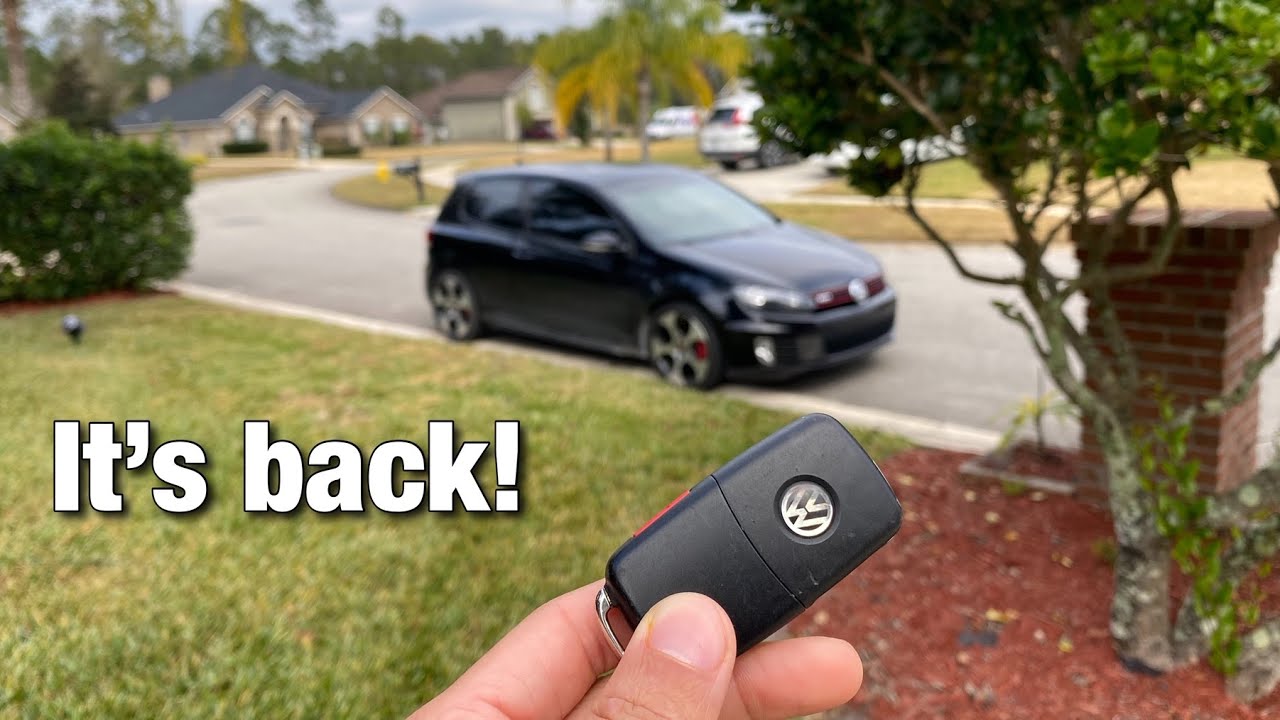
2021 VW GTI Front-Corner Collision Repair
By Curtis Castiglione
If you own a 2021 Volkswagen Golf GTI and have recently been in a front-corner collision, you might be looking at an initial insurance estimate that seems surprisingly low—perhaps a few thousand dollars for a bumper and a fender. However, once the vehicle arrives at a body shop, that number often doubles or triples.
This isn't a case of the shop padding the bill; it is a reflection of the sophisticated engineering packed into the front corners of a modern German performance hatchback. From structural wheelhouse damage to precision steering components and sensitive cooling systems, what looks like a simple fender bender is often a complex mechanical and structural restoration.
Why Did My Estimate Change? Understanding the Insurance Supplement
An initial insurance estimate is almost always a visual-only document. Adjusters write for what they can see without taking the car apart. However, the real story of the damage begins during the teardown.
When a technician removes the bumper cover and fender, they often find hidden damage such as cracked plastic brackets, bent mounting points, or pinched wiring harnesses. This is where the supplement process comes in. When these items are found, the shop submits a supplement to the insurance company. This is a request for additional funds and labor hours to cover the damage that was not visible during the first inspection. For a GTI, supplements are the rule, not the exception.

The Wheelhouse: The Foundation of Your GTI
The wheelhouse is the internal metal structure located behind the front fender. In a front-corner impact, the force often bypasses the plastic bumper and transfers directly into this structural area. During a wheelhouse inspection, a qualified repairer looks for stress marks in the factory seam sealer or checking in the paint. These are tell-tale signs that the metal has moved.
If a displaced wheelhouse is not pulled back to factory specifications using a frame rack and 3D measuring system, your new fender and bumper will never line up correctly. Even worse, a shifted liner or structure can lead to tire rubbing during sharp turns or high-speed maneuvers, compromising the safety of the vehicle.
Steering Knuckle and Suspension: Mechanical vs. Collision Damage
If the impact hit your front wheel, the damage is likely more than cosmetic. The steering knuckle is a critical cast-metal component that holds the wheel, brakes, and suspension together.
Insurance policies generally cover mechanical damage—like a bent knuckle or control arm—if it is a direct result of the collision. They do not cover mechanical failure due to wear and tear. Modern suspension components are designed to bend rather than snap to absorb energy. A knuckle can be bent just a few millimeters—enough to ruin your tires and handling—without being visible to the naked eye.

To verify this damage, shops use pre-repair alignment readings and diagnostic scans to prove to insurance adjusters that the suspension geometry has been compromised. A post-repair alignment is mandatory to ensure the vehicle drives straight and the steering geometry is restored.
The Vulnerability of the Cooling System
The 2021 GTI is a turbocharged performance vehicle with a very compact engine bay. The radiator, A/C condenser, and cooling fan assembly sit immediately behind the front bumper. Even a low-speed impact can cause hairline fractures in the plastic end tanks on the radiator or bend the aluminum fins of the condenser.

Your insurance policy may specify the use of aftermarket or recycled parts for these components. However, for a high-stringency cooling system like the GTI's, many technicians recommend Original Equipment Manufacturer (OEM) parts to ensure proper heat dissipation and fitment. You should review your policy to see if you have an OEM Parts Endorsement or if you are responsible for the price difference.
ADAS and Digital Calibration: The Invisible Repair
The VW emblem on your grille and the sensors behind your bumper are part of the Advanced Driver Assistance Systems (ADAS). This includes Front Assist (emergency braking) and Adaptive Cruise Control.
If the bumper is removed or the vehicle's structure is shifted even slightly, these sensors must be recalibrated. If the radar is off by just one degree, it could see a car in the wrong lane or fail to detect a pedestrian. Insurance companies typically pay for this calibration, but it requires specialized software and a clean diagnostic report from the shop to justify the cost.
What Should You Do? A Checklist for the Vehicle Owner
- Request a Teardown: Do not authorize final repairs based on the initial drive-in estimate. Ensure the shop removes the damaged panels to inspect the wheelhouse and cooling supports.
- Ask for the Alignment Report: If your wheel was hit, insist on a four-wheel alignment. If the Camber or Caster readings are out of spec and cannot be adjusted, you likely have a bent steering knuckle or control arm.
- Review the Scan Reports: Modern Volkswagens should have a Pre-Scan (to find hidden electronic faults) and a Post-Scan (to ensure all systems are cleared and calibrated).
- Verify Manufacturer Procedures: If there is a disagreement between the shop and the insurer regarding a repair method, ask the shop for the Volkswagen Repair Procedures. These are the official instructions provided by VW to ensure the vehicle remains safe.
A 2021 Volkswagen Golf GTI is a precision machine. Restoring it after a front-corner collision requires more than just hanging new sheet metal. By understanding the relationship between the structural wheelhouse, the mechanical steering components, and the digital safety sensors, you can ensure your GTI is returned to the road in a condition that is both safe to drive and fun to own.
Disclaimer: Insurance policies and state laws vary. Always review your specific policy and consult with a qualified collision repair professional before authorizing repairs.



No Comments Yet
Be the first to comment on this article.