Curtis.Castiglione@ROzebra.com
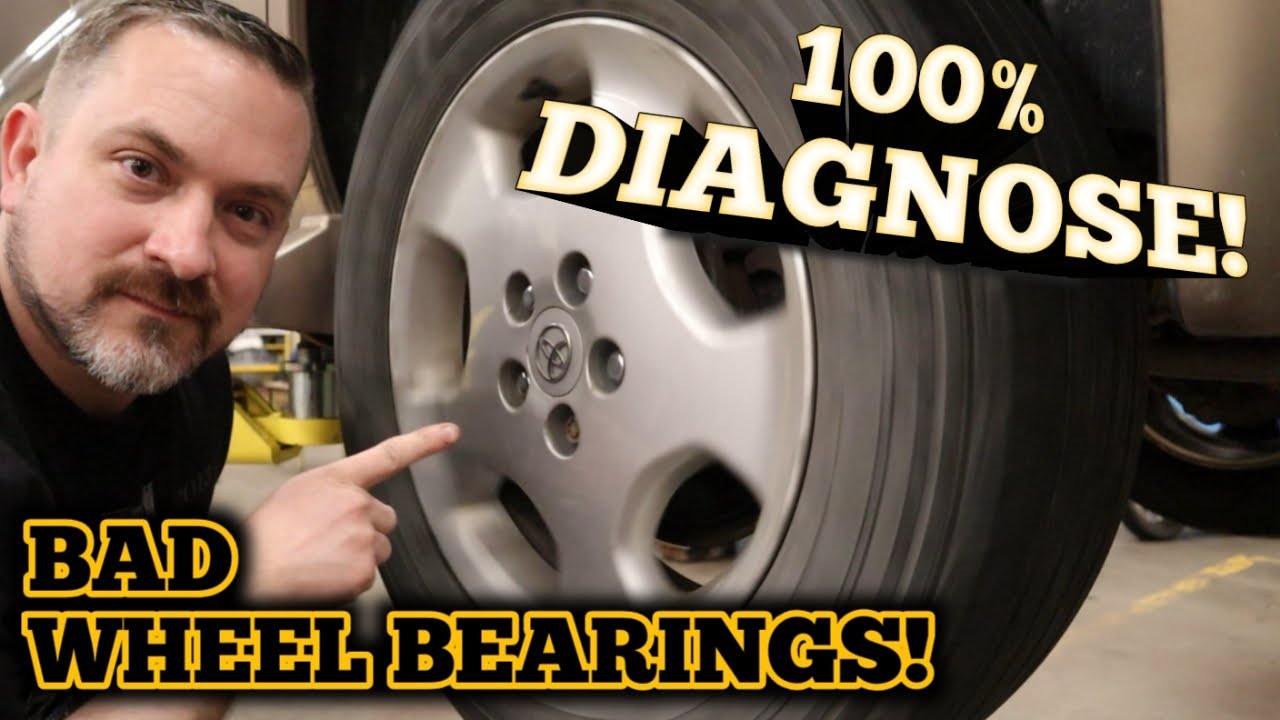
2021 Volkswagen Tiguan Front-Wheel Collision: Mechanical & Insurance Guide
A front-wheel impact on a 2021 Volkswagen Tiguan is rarely as simple as replacing a wheel and a tire. Because modern vehicles use the wheels as the primary data collection points for safety systems, a physical impact often leads to mechanical and electronic failures that may not be visible to the naked eye.
If you have been involved in an accident, understanding the relationship between physical damage and the repair process is essential for navigating your insurance claim and ensuring your vehicle is safe to drive.
Does insurance cover mechanical damage to the wheel and sensors?
In most cases, if you have collision coverage, your insurance policy will cover mechanical damage resulting from a sudden, accidental impact. This includes bent suspension components, cracked wheel-speed sensors, and damaged hubs.
However, insurance companies make a firm distinction between collision damage and wear and tear. For example, if a wheel bearing was already whining or failing before the accident, the insurer may argue that the replacement is a maintenance issue rather than a result of the loss.
To ensure coverage, professional documentation is vital. A diagnostic scan and a physical teardown provide the evidence needed to prove the damage was caused by the impact rather than old age.

Why did my estimate change after the shop started working?
It is common for an initial insurance estimate to be much lower than the final repair bill. This is handled through a process called a supplement.
When an insurance adjuster first looks at a Tiguan after a front-end hit, they may only write an estimate for the visible damage—perhaps a new wheel and an alignment. However, once the shop gets the car on a lift and removes the wheel, they may find:
- A bent strut, control arm, or steering knuckle.
- A cracked speed sensor connector or wiring harness.
- A hub with excessive runout (wobble).
- Damage to the brake caliper mounting points or the rotor.
On a 2021 Tiguan, the wheel-speed sensor is a sensitive electronic component that monitors the rotation of the wheel to feed data to the Anti-lock Braking System (ABS) and Electronic Stability Control (ESC). If the impact was hard enough to bend metal, it likely jolted the sensor or damaged the magnetic encoder ring. The shop must document these findings with scan tool data and photos to justify the additional costs to the insurance company.
The Critical Role of the Hub and Encoder Ring
One of the most overlooked components in a Tiguan wheel collision is the wheel hub and bearing. Many Volkswagen models use an integrated magnetic encoder ring on the back of the bearing to provide data to the ABS sensor.
Even if the wheel looks fine, a microscopic crack or a slight shift in the bearing can cause the ABS light to stay on. If a shop simply replaces the sensor without checking the hub, the warning light will likely return. From an insurance perspective, this can lead to disputes over whether the repair was completed properly.
What to ask your shop: Ensure your repair facility performs a runout test on the hub. If the hub is out of spec, it must be replaced to ensure the braking system functions as the manufacturer intended.
OEM vs. Aftermarket Parts in Safety Systems
Insurance policies often allow for the use of Like Kind and Quality (LKQ) or aftermarket parts to control costs. While this may be acceptable for a plastic bracket, it can be problematic for wheel-speed sensors and electronic hubs.
Volkswagen safety systems are calibrated to specific electrical resistances and tolerances. Using a non-OEM (Original Equipment Manufacturer) sensor can sometimes lead to communication errors between the wheel and the car’s main computer.
- The Conflict: Your shop may recommend OEM parts to maintain the integrity of the Advanced Driver Assistance Systems (ADAS).
- The Resolution: You may need to review your policy to see if you have an OEM parts endorsement. If not, you may be responsible for the price difference between an aftermarket part and a Volkswagen factory part if the insurer refuses to pay the higher rate.
Why Alignment and ADAS Calibration are Non-Negotiable
After mechanical repairs are finished, a 2021 Tiguan requires a precision alignment. If the alignment readings are significantly off, it serves as further proof of structural or suspension damage for your insurance supplement.
Furthermore, because the Tiguan is equipped with sensors and cameras for features like Lane Assist or Front Assist, a wheel-end collision often necessitates an ADAS calibration. When the steering geometry changes, the eyes of the car must be recalibrated to ensure they are pointing in the right direction. If your estimate does not include a diagnostic scan and calibration, the repair is likely incomplete and potentially unsafe.

What should I do next?
If you are researching repairs for a front-wheel impact, take the following steps to protect your vehicle and your claim:
- Request a Pre-Scan: Ask your repair facility for a full diagnostic pre-scan report. This identifies every fault code currently stored in the vehicle's computers. Keep a copy for your insurance records.
- Request a Teardown: Ask the shop to perform a suspension teardown before they finalize the parts order. This prevents the hidden damage surprise halfway through the repair.
- Verify Procedures: Ensure the shop is following Volkswagen’s specific repair procedures for the 2021 Tiguan.
- Document Everything: Insurance covers the cost to restore the vehicle to its pre-loss condition, but it is the responsibility of the shop and the owner to document what is actually required to reach that goal.

Disclaimer: Insurance policy provisions and state laws vary significantly. You should review your specific policy and consult with your insurance carrier and a qualified collision repair professional regarding your claim and vehicle safety.



No Comments Yet
Be the first to comment on this article.