Curtis.Castiglione@ROzebra.com

2021 Toyota Highlander Front Collision Repair Analysis
If you have been involved in a front-end collision with your 2021 Toyota Highlander, you might be surprised when the initial estimate from your insurance company or a body shop comes back significantly higher than expected. From the outside, a low-speed impact may only show a few scratches on the plastic bumper cover.
However, modern vehicles like the Highlander are designed with sophisticated technology and structural components hidden just millimeters behind that plastic skin. Understanding why these repairs are complex can help you navigate the insurance claim process and ensure your vehicle is returned to a safe operating condition.
The Deception of the Plastic Bumper Cover
The most common mistake owners make is assuming that because the bumper did not crack, the damage is minimal. The plastic bumper cover is a cosmetic piece designed to pop back into shape after a light impact. Behind it lies the actual protection: the reinforcement bar, energy absorbers, and the radiator support.

In a 2021 Highlander, the radiator support acts as the skeleton for the front end. It holds the headlights, the cooling system, and various sensors in precise alignment. Even a minor nudge can bend the mounting points on this support.
- Why it matters: If these points are moved even slightly, your hood may not latch correctly, your headlights may aim at the ground, and your fenders will not line up.
- The Repair Procedure: A proper inspection requires the shop to remove the bumper cover entirely (the teardown) to document these hidden structural issues for an insurance supplement.
Active Grille Shutters and Cooling Systems
The 2021 Highlander is often equipped with active grille shutters. These are motorized slats located behind the lower grille that open and close to regulate airflow for engine cooling and aerodynamics.
In a collision, these plastic blades are easily snapped, and the small electric actuator that moves them can suffer internal electrical damage. If these shutters are damaged and not replaced, your vehicle's fuel efficiency will drop, and you may eventually see a check engine light.
Does insurance cover this? Generally, yes. From an insurance perspective, this is considered mechanical damage resulting from a collision. Unlike wear-and-tear items, these are covered under your collision policy, but they require a diagnostic scan to confirm they are functioning correctly after the repair.
The High Cost of Toyota Safety Sense (Radar and Sensors)
The most sensitive area of a 2021 Highlander is the Toyota emblem in the center of the grille. This is not just a piece of plastic; it is a specialized window for the Millimeter Wave Radar sensor. This sensor is the "eyes" for your Pre-Collision System and Dynamic Radar Cruise Control.

If the bracket holding this sensor is bent or if the sensor itself is jarred, the system may shut down or, worse, operate incorrectly. This is where hidden costs often appear:
- Replacement Costs: The sensor itself is a high-tech computer component and is significantly more expensive than a standard plastic grille.
- Calibration Requirements: Calibration requires the technician to set up specialized targets and use a diagnostic computer to ensure the radar is aimed perfectly.
- Safety Risks: If a shop skips this step to save money, your safety features may fail to activate—or activate unexpectedly—when you are on the road.
Insurance Coverage vs. Repair Procedures
When reviewing your estimate, you may see a conflict between what the insurance company wants to pay for and what the manufacturer (Toyota) recommends.
- Policy Provisions: Insurance policies generally promise to return the vehicle to "pre-loss condition." However, insurance adjusters often use "alternative" parts (aftermarket or recycled) to keep costs down.
- OEM Standards: Toyota provides specific repair procedures regarding which parts can be repaired and which must be replaced to ensure the radar and SRS (airbag) systems function. For example, if there is damage near the radar sensor, Toyota may forbid the use of aftermarket grilles because certain materials can interfere with the radar beam.
As the owner, you should ask your repair facility if they are following Toyota's Technical Information System (TIS) guidelines and how they are addressing any discrepancies with the insurance company's estimate.
Why Did My Estimate Change? (The Supplement Process)
It is rare for the first estimate to be the final price. This is because insurance adjusters often write "visible damage only" estimates. Once the body shop begins the teardown (disassembling the front end), they will likely find:
- Broken plastic mounting brackets.
- Pinched or frayed wiring harnesses.
- Hairline cracks in the radiator or AC condenser.
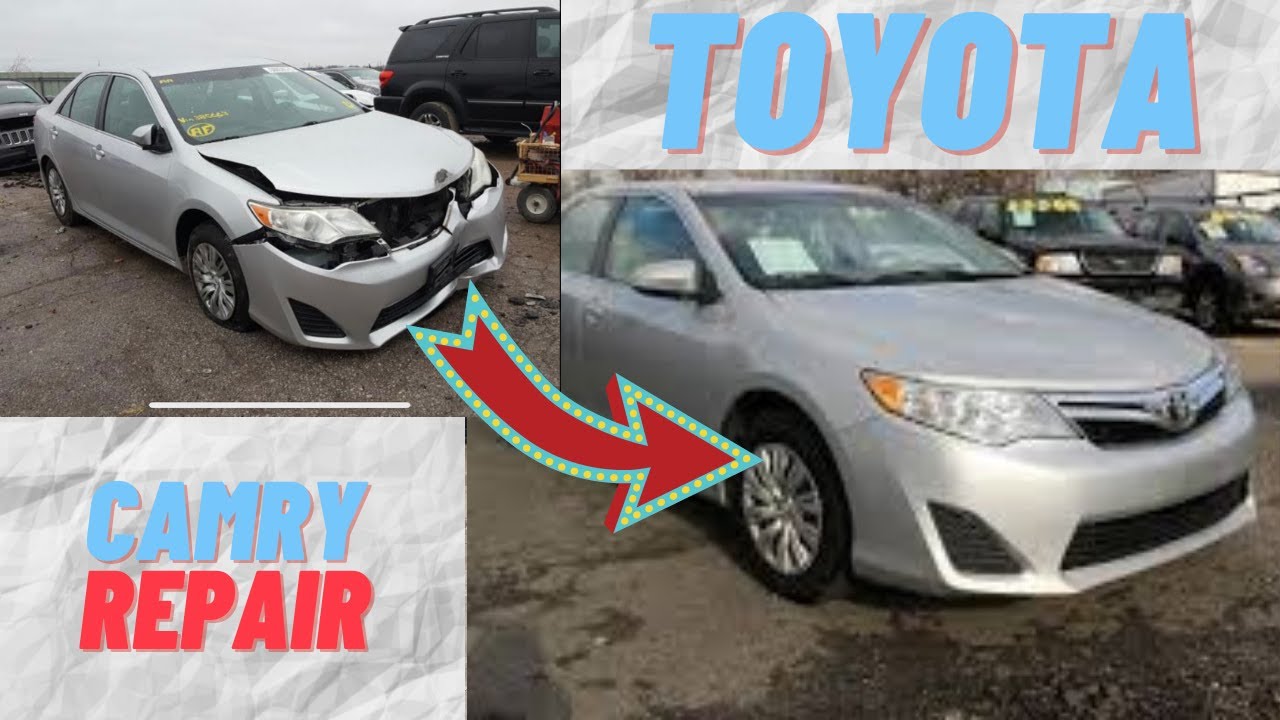
The shop will then submit a supplement to the insurance company. This is a standard part of the automotive repair world. The insurance company reviews the new photos and documentation and issues an additional payment. This is why your initial estimate of $1,500 can easily balloon into $5,000 or more once the bumper is removed and the ADAS (Advanced Driver Assistance Systems) diagnostics are performed.
What Should I Do? Practical Steps for the Highlander Owner
If you are researching a front-end repair for your Highlander, start by asking the repair facility three questions:
- Do you perform a pre-repair and post-repair diagnostic scan to check for fault codes in the radar and grille shutter systems?
- Will you be performing the radar calibration in-house or sending it to a dealership?
- How do you handle insurance supplements if you find damage to the radiator support or sensor brackets after the bumper is removed?
Documentation is your best friend. Ensure the shop provides a printout of the calibration report and the diagnostic scans. This documentation is vital not only for your safety but also for maintaining the resale value of your vehicle. A Highlander with a documented, professional repair is much easier to sell or trade in than one with a "Check PCS System" light on the dashboard.
Summary
A front-end collision on a 2021 Toyota Highlander is never just a "fender bender." It is a complex mechanical and electronic repair. By understanding the relationship between the physical structure, the cooling components, and the safety sensors, you can better manage your expectations and ensure your insurance company pays for a complete and safe restoration.
Note: Insurance policies and state laws vary. You should review your specific policy and consult with your insurance company and a qualified repair professional regarding your coverage and repair options.



No Comments Yet
Be the first to comment on this article.