Curtis.Castiglione@ROzebra.com
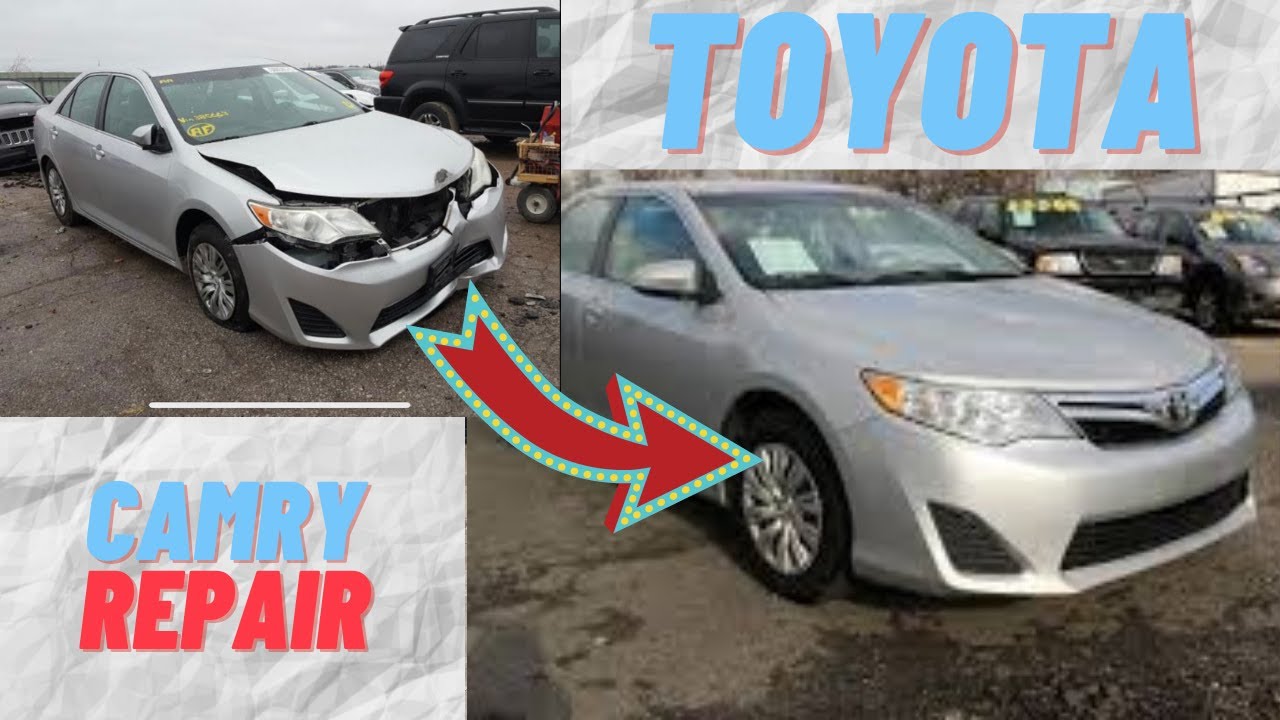
2021 Toyota Camry Rear-Corner Collision Repair Guide
If your 2021 Toyota Camry has been struck on the rear corner, you might be looking at a cracked tail lamp and a scuffed bumper and thinking the repair is straightforward. However, modern vehicles like the Camry are packed with hidden technology and structural complexities that are not visible from the outside.
What looks like a $1,500 repair on a parking lot estimate can easily balloon into a $5,000 or $8,000 repair once the vehicle is disassembled. Understanding why this happens requires looking past the plastic and paint to the sophisticated systems underneath.

The Reality of the Blind-Spot Monitor (BSM)
The most significant factor in modern rear-corner repairs is the Advanced Driver Assistance Systems (ADAS). Behind the plastic bumper cover of a 2021 Camry, mounted directly to the metal quarter panel, is a radar sensor responsible for your blind-spot monitoring and rear cross-traffic alert.
Even if the bumper cover only shows a minor scratch, the force of the impact can shift the mounting bracket or damage the sensor itself. These sensors are highly sensitive:
- Precision Alignment: If the metal quarter panel behind the bumper is slightly deformed, the radar will no longer point in the correct direction.
- Electronic Calibration: Repairing this requires more than just bodywork. It involves electronic diagnostic scanning and a specific procedure called "calibration."
- Safety Implications: In many cases, Toyota’s repair standards require a post-repair calibration to ensure the car can accurately "see" a vehicle in the next lane. If a shop skips this, your safety lights might still turn on, but they may trigger too late or fail to detect a vehicle entirely.

Why Did My Insurance Estimate Change After the Shop Started?
It is common for an insurance adjuster to write a "visible damage" estimate. This is a preliminary document based only on what can be seen without taking the car apart. Once the shop performs a "teardown"—the process of removing the bumper, tail lamp, and interior trunk trim—they often find hidden damage.
On a 2021 Camry, this hidden damage frequently includes:
- Bumper Reinforcement Bars: The metal bar under the plastic cover may be crushed or deflected.
- Rear Body Panel: The metal sheet where the trunk latches may be pushed inward.
- Quarter Panel Extensions: The lower metal structures that support the bumper.
- Wiring Harnesses: Pinched or severed wires for the parking sensors or tail lamps.
When the shop finds this, they submit a "supplement" to the insurance company. This is a request for additional funds to cover the actual damage found. This is a normal part of the collision repair process, not a sign that the shop is being dishonest or that the insurance company is being "cheap." It is simply the transition from a guess to a factual repair plan.
The Quarter Panel and Trunk Alignment
Unlike a front fender, which is held on by bolts and can be easily swapped, the rear quarter panel of a Camry is a "stationary" part of the vehicle’s welded structure.
If the impact was hard enough to change the gaps around your trunk lid, it means the structure of the car has shifted. Even if the trunk still opens and closes, uneven gaps are a major red flag. If the trunk opening is "out of square," it can lead to:
- Water leaks into the spare tire well.
- Excessive wind noise at highway speeds.
- Premature rust at the stress points.
Repairing structural shifts requires the vehicle to be placed on a frame machine with electronic measuring systems to pull the metal back to factory specifications. This is a labor-intensive process that significantly increases the cost of the repair compared to a simple parts replacement job.
Who Pays for Calibration and New Parts?
Whether your insurance pays for Original Equipment Manufacturer (OEM) parts or "Aftermarket/Recycled" parts depends on your specific policy language and state regulations. You should review your policy or consult your agent to understand your specific coverage.
However, when it comes to safety components like blind-spot sensors and tail lamps with integrated LEDs, many professionals recommend OEM parts to ensure the computer systems communicate correctly.
Pre- and Post-Repair Scanning
If your estimate includes a "Pre-Repair Scan" and a "Post-Repair Scan," do not cross these out to save money. These scans are the only way to document that the vehicle’s computers are functioning before and after the repair. Most insurance companies cover these operations because they are required by the manufacturer to ensure a safe, documented repair.
What Should I Do If I Have This Damage?
If you are researching a repair for your 2021 Camry, take the following steps to ensure your vehicle is returned to its pre-accident condition:
- Don't assume the car is "fine": Just because the car drives straight doesn't mean the safety sensors are functional.
- Ask about calibration: Ask your repair facility if they have the equipment to perform a "blind-spot calibration" in-house or if they sublet it to a specialized facility.
- Inspect the trunk gaps: They should be uniform on both sides. If the left side is tight and the right side is wide, the rear body structure is likely pushed.
- Understand the Supplement Process: Be prepared for the final bill to be higher than the initial estimate once the bumper is removed.
- Keep your records: Keep a record of the initial estimate versus the final invoice. This documentation is vital if you ever choose to file a diminished value claim, which addresses the loss in the vehicle's market value due to its accident history.
Vehicle technology has made cars safer, but it has also made "simple" fender benders a thing of the past. A 2021 Camry is a sophisticated machine, and its repair should be handled with a focus on both structural integrity and electronic accuracy.



No Comments Yet
Be the first to comment on this article.