Curtis.Castiglione@ROzebra.com
2021 Ram 1500 Front-End Collision: Hidden Damage and Costs
By Curtis Castiglione
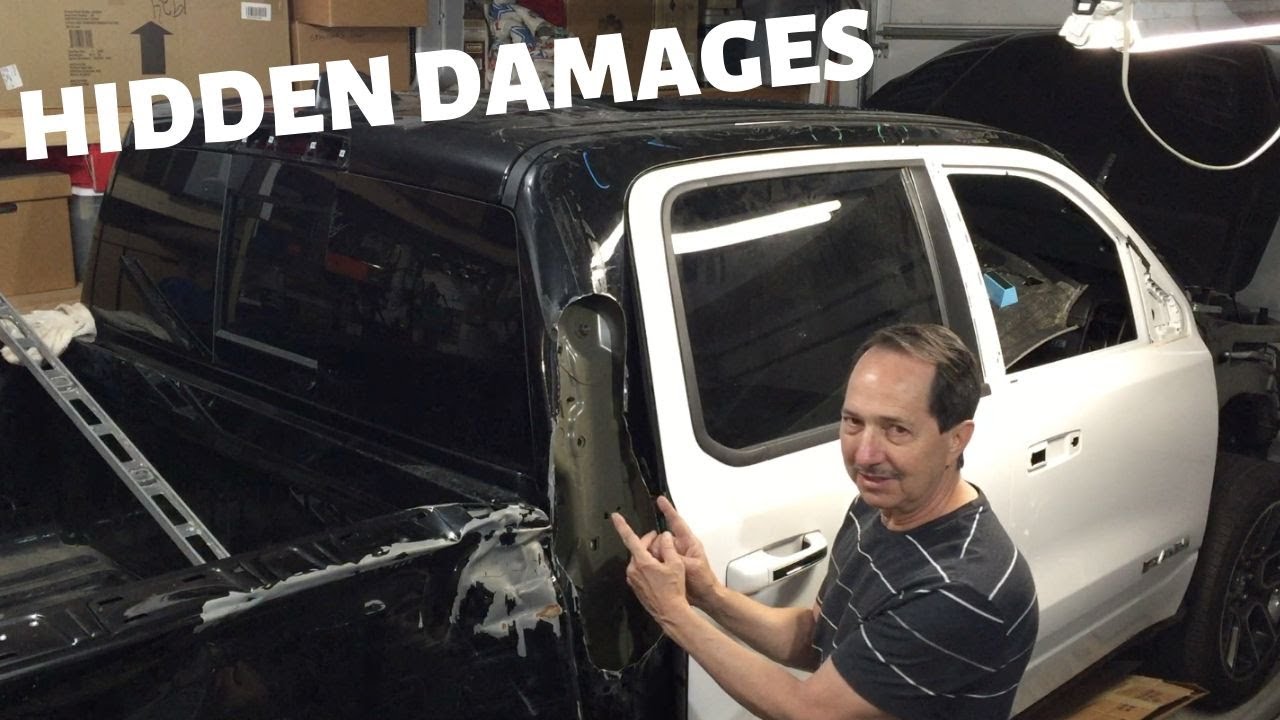
If you own a 2021 Ram 1500 and have been involved in a front-end collision, you might be looking at your initial insurance estimate with a sense of relief. It might only show a bumper, a grille, and a few plastic brackets. However, if you haven’t yet authorized a teardown, that relief may be premature.
Modern trucks are designed with sophisticated crumple zones and cooling packages tucked directly behind the cosmetic exterior. What looks like a simple bumper swap on a 2021 Ram 1500 often evolves into a complex mechanical and electrical repair.
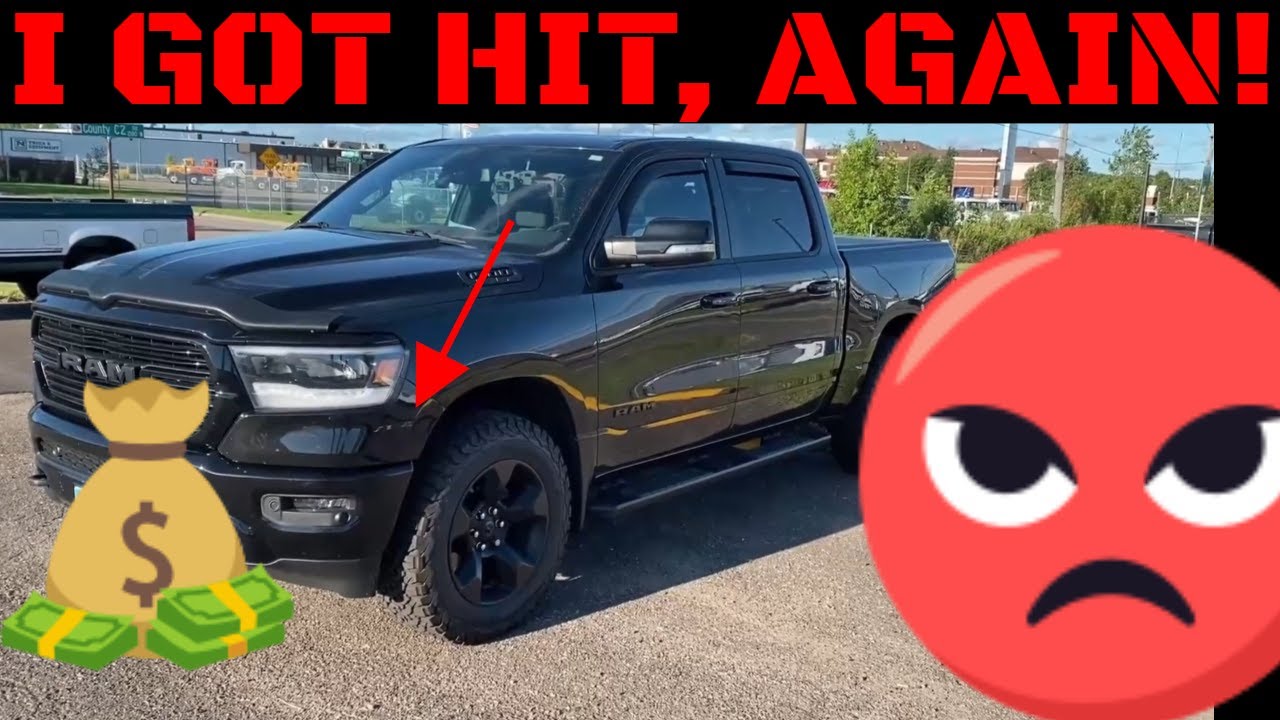
Why did my 2021 Ram 1500 repair estimate increase after the shop started working?
The primary reason for an estimate increase is the transition from a visual inspection to a blueprinted teardown.
When an insurance adjuster or a shop writer first looks at your truck, they can only write what they see. On a Ram 1500, the massive chrome or paint-matched grille and the heavy bumper cover act as a mask. Behind that mask lies a delicate framework of aluminum, plastic, and sensors.
Once the shop removes the damaged exterior panels, they often find that the impact energy didn't stop at the bumper—it moved inward, shifting the cooling package or pinching the wiring harnesses. In the industry, we call this a supplement. It is a standard part of the process where the shop documents hidden damage and requests additional funds from the insurance company to perform the necessary repairs.
The Cooling Package Sandwich
The front of your Ram 1500 contains a sandwich of components that are vital to the vehicle’s operation. Depending on whether you have the 5.7L Hemi, the 3.6L Pentastar with eTorque, or the 3.0L EcoDiesel, this package may include:
- The A/C Condenser: The first layer of the sandwich, responsible for cooling the refrigerant.
- The Radiator: The core of the engine's cooling system.
- The Transmission Cooler/Intercooler: Additional heat exchangers for the gearbox or turbocharger.
- The Radiator Support: The structural frame (often plastic or light composite) that holds everything in place.
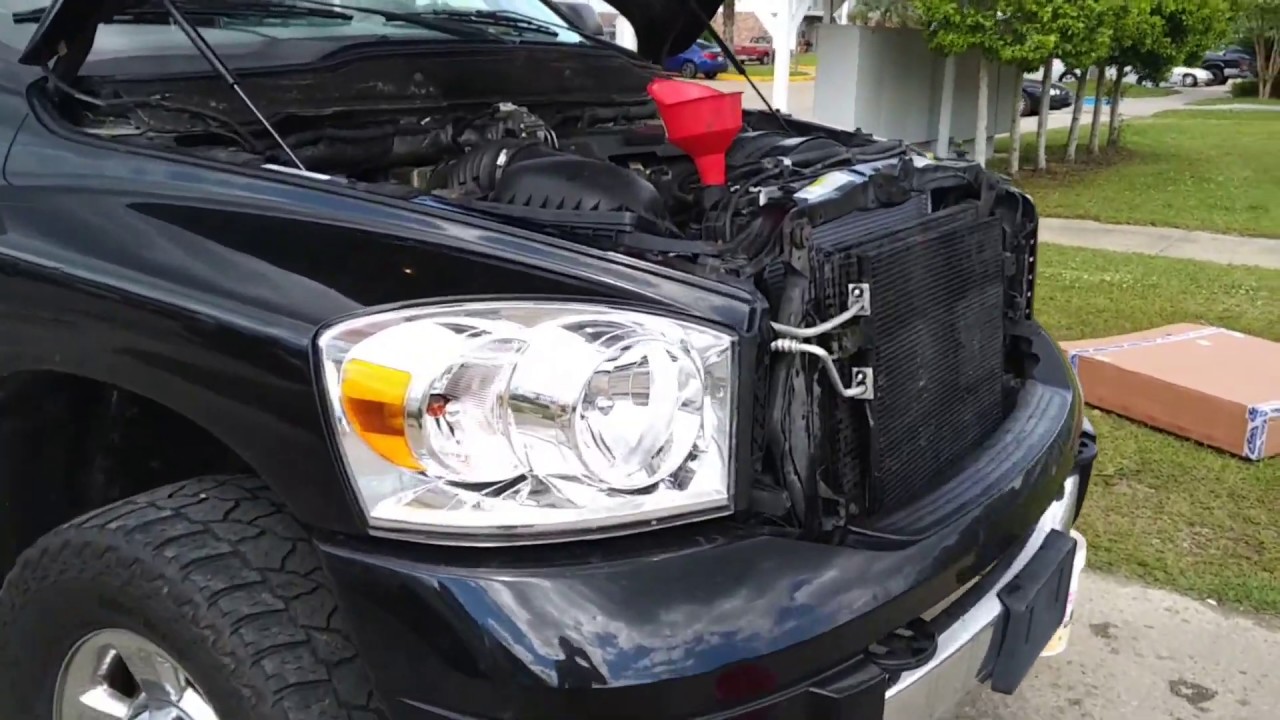
Even a low-speed impact can tweak the radiator support. If this support is shifted by just a few millimeters, it can cause the electric cooling fan to rub against its shroud or the radiator core. This might not cause a leak immediately, but it can lead to a catastrophic engine overheat weeks after the truck leaves the shop.
Why A/C Lines Matter: The R-1234yf Factor
During an inspection, a shop must look closely at the aluminum refrigerant lines. These lines are often brittle and prone to hairline fractures at the fittings during an impact.
There is a significant cost factor here: the 2021 Ram 1500 uses R-1234yf refrigerant. This is a newer, environmentally friendly gas that is substantially more expensive than the R-134a used in older vehicles. If a line is kinked or leaking, the shop must:
- Legally recover the remaining gas.
- Replace the damaged line.
- Vacuum-test the system.
- Recharge with expensive R-1234yf.

This mechanical operation alone can add hundreds—sometimes over a thousand—dollars to an estimate that originally only covered bodywork.
Front Wiring and ADAS Technology
Modern Rams are rolling computers. Behind the bumper and grille, you will find:
- Active Grille Shutters: These open and close to improve aerodynamics and engine warming. They are almost always damaged in front-end hits.
- Parking Sensors: Ultrasonic sensors that are sensitive to impact shock.
- Radar Sensors: Used for Adaptive Cruise Control (ACC) and Automatic Emergency Braking (AEB).
If a wiring harness is pinched or a sensor is displaced, the truck’s safety systems may fail. Calibration is a mandatory step. If your estimate doesn't include a pre-repair and post-repair diagnostic scan, the shop is flying blind. They must ensure the truck's eyes are pointing exactly where the manufacturer intended.
Parts Selection: OEM vs. Aftermarket
Because the 2021 Ram 1500 is a late-model, high-value vehicle, the debate over parts is common.
- OEM (Original Equipment Manufacturer): Parts made by Mopar. These are guaranteed to fit the specific cooling configuration of your engine.
- Aftermarket/LKQ (Like Kind and Quality): Non-OEM or recycled parts.
Your insurance policy may dictate the use of aftermarket parts to save costs. However, for critical cooling components and ADAS sensors, many manufacturers recommend only using OEM parts to ensure the safety systems function correctly. You should review your policy and discuss with your shop which parts are being used and why.
What should I do if my truck was in a front-end accident?
If you are researching a repair before authorizing work, follow these practical steps:
- Don't assume it is just a bumper: Even if the truck drives fine, a bent A/C line or a cracked radiator support is a ticking time bomb for mechanical failure.
- Request a Teardown and Blueprint: Choose a shop that refuses to give a final price until the bumper is off and the hidden components are inspected.
- Ask the Shop Specific Questions:
- Did you check the clearance between the cooling fan and the radiator?
- Were the A/C line fittings inspected for hairline cracks?
- Is a post-repair ADAS calibration included for my safety sensors?
- Did you check the active grille shutters for proper operation?
- Review the Supplement: When the shop finds more damage, ensure they provide photos and documentation to you and your insurer. This protects your vehicle's resale value and ensures the repair is covered by your claim.
The Bottom Line: A 2021 Ram 1500 is a complex machine. Treating a front-end collision as a simple cosmetic fix ignores the mechanical and electrical systems that keep you safe and your engine cool. Professional documentation and a thorough teardown are the only ways to ensure your truck is truly restored to its pre-accident condition.
Disclaimer: Insurance policy provisions and state laws vary. Always consult your specific policy and a qualified repair professional regarding your claim and vehicle safety.



No Comments Yet
Be the first to comment on this article.