Curtis.Castiglione@ROzebra.com

2021 Nissan Titan XD Front Collision Repair Analysis
By Curtis Castiglione
When a heavy-duty pickup like the 2021 Nissan Titan XD is involved in a front-end collision, the repair process is significantly more complex than it might appear from a quick glance at the outside of the truck. Owners often wonder why a 'simple' bumper replacement turns into a multi-week repair with a five-figure estimate.
The answer lies in the relationship between the truck's structural reinforcement, its massive cooling requirements, and the sensitive technology integrated into the front fascia. This article explains what happens behind the scenes during a professional collision repair and why seemingly minor damage can be so costly.
Why did my 'minor' bumper hit lead to such a complicated estimate?
On a Nissan Titan XD, the front bumper is not just an aesthetic piece of chrome or plastic; it is a multi-layered assembly designed to manage impact energy. The visible bumper cover or face bar is supported by a reinforcement beam and a series of mounting brackets.
During a professional inspection, a technician looks beyond surface scratches.
- Deformable Brackets: These brackets are designed to bend to protect the truck's frame. If they are pushed back even an inch, they must be replaced.
- Alignment Issues: If these brackets are not replaced or are improperly addressed, the new bumper will never align correctly with the grille and fenders.
- Heavy-Duty Hardware: Because the XD is a heavy-duty vehicle, these components are 'beefier' than those on a standard Titan, often requiring specific torque sequences and specialized hardware that must be documented in the repair estimate.

Does insurance cover hidden damage to the cooling system?
Immediately behind the bumper and grille of the Titan XD sits what technicians call the 'cooling stack.' Because this truck is designed for towing and heavy payloads, it requires massive amounts of airflow. This stack typically includes:
- The air conditioning condenser.
- The radiator.
- Transmission oil coolers or intercoolers (if equipped with a turbocharger).
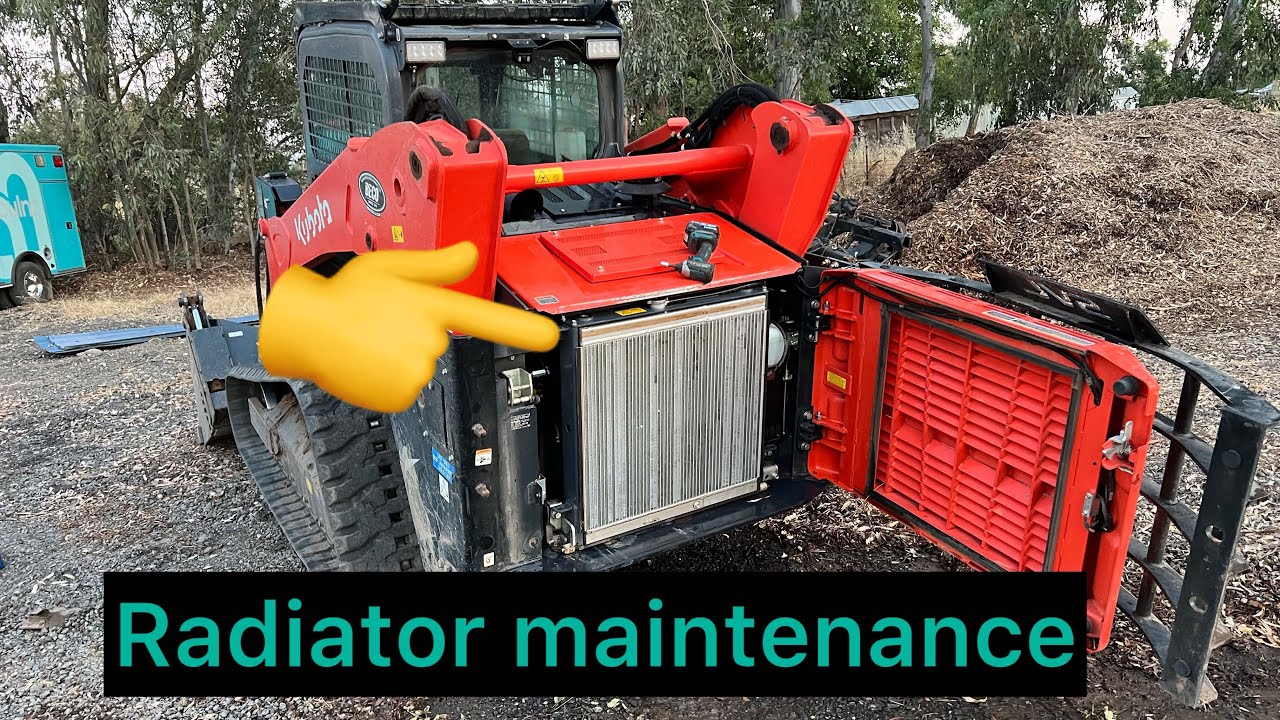
In a front-end collision, the bumper reinforcement is often pushed into these components. Even if the radiator isn't leaking on the ground, the mounting tabs may have snapped, or the cooling fins may be 'bristled' (crushed). Crushed fins restrict airflow, which can lead to overheating under load—potentially months after the accident.
Pro Tip: Replacing a radiator often involves 'R&I' (remove and install) labor for the entire front cooling module. This is a labor-intensive mechanical repair that adds significant cost to the claim.
What happens if my tow hooks were hit?
The 2021 Titan XD features heavy-duty front tow hooks bolted directly to the frame rails. In a significant impact, if a tow hook hits a solid object, it can transfer that energy directly into the frame.
Unlike a car's unibody construction, the Titan's body-on-frame design means that a hit to the tow hook can potentially 'sway' or bend the front ends of the frame rails. During the teardown process, a shop should perform a high-tech measurement of the frame to ensure it is 'square.' If your insurance estimate only lists the tow hook as a 'part' but doesn't account for the labor to check the frame, the repair may be incomplete and unsafe for future towing.

Why does my estimate include 'calibration' or 'diagnostic scans'?
The 2021 model year comes equipped with Nissan Safety Shield 360. This means there are radar units and sensors located behind or near the front bumper and grille. These systems control:
- Automatic Emergency Braking
- Adaptive Cruise Control
- Forward Collision Warning
If the bumper is removed or replaced, these sensors must be recalibrated. This is a specialized electronic diagnostic step that ensures the truck's computer 'sees' the road correctly. This is a 'mechanical repair' necessity that is often missed on initial insurance field inspections but becomes a necessary 'supplement' once the vehicle is at the shop.

Why did my estimate change after the repair started? (The Supplement Process)
It is a common misconception that the first check provided by an insurance company is the final word on the repair cost. In reality, most initial estimates are 'pre-teardown.'
Once the repair facility removes the damaged bumper (the 'teardown'), they will likely find hidden damage to the cooling supports or sensor brackets. At this point, the shop will file a supplemental estimate. This is a request for additional funds to cover the damage that wasn't visible during the first walk-around. Photos of bent cooling fins, snapped plastic clips, or measured frame deviations are used as evidence to support the additional cost to the insurer.
Who decides if my truck gets OEM or aftermarket parts?
As a vehicle owner, you should be aware of your policy's provisions regarding parts. Insurance policies and state laws vary, but generally:
- OEM (Original Equipment Manufacturer): Parts made by Nissan.
- Aftermarket: Parts made by a third party (often CAPA-certified).
- Recycled: Used parts taken from a donor vehicle.
For a 2021 Titan XD, many owners prefer OEM parts to ensure the heavy-duty cooling and structural components match factory specifications. You should review your policy and discuss with your repairer which parts are being used and how they might affect your vehicle's warranty and performance.
What should I do if I have had a front-end accident?
If your Titan XD has been in a collision, do not authorize a 'cosmetic only' repair. To ensure your vehicle is returned to pre-accident condition, follow these steps:
- Request a Full Teardown: Insist on an inspection of the cooling system and structural brackets behind the bumper.
- Ensure Electronic Health Checks: Confirm the shop will perform a pre-repair and post-repair diagnostic scan to check the health of the ADAS (Advanced Driver Assistance Systems) sensors.
- Document Everything: Photos of the damage behind the bumper are the best way to ensure your insurance company pays for a complete repair.
- Consult Professionals: Because insurance coverage and state laws vary, you should consult with your insurance representative and a reputable collision center.
A professional inspection is the only way to ensure that your truck remains as safe and capable as it was the day it left the factory.



No Comments Yet
Be the first to comment on this article.