Curtis.Castiglione@ROzebra.com

2021 Nissan Murano Rear Collision Repair & Insurance Guide
If you have been involved in a rear-end collision in a 2021 Nissan Murano, you might be surprised to see an initial insurance estimate that seems low, only to have the repair facility call you a few days later with a much higher figure. This is a common occurrence in the modern collision repair industry.
The reality is that modern vehicles are designed to manage impact energy by sacrificing internal structures that are hidden behind the plastic bumper cover. What looks like a simple scratch or a minor dent on the outside often masks significant structural and mechanical issues.
The Preliminary Estimate vs. The Supplement
The first thing a vehicle owner must understand is that the first estimate—whether written by an insurance adjuster in your driveway or via a photo-based app—is almost always preliminary. It only covers the damage that is visible without taking the car apart.
The real repair cost is determined during the teardown, or disassembly. This is when the shop removes the bumper cover and interior trim to see what happened to the steel underneath. When the shop finds additional damage, they submit a supplement to the insurance company. This is a standard part of the process, but it is the primary reason why your final bill may be thousands of dollars higher than the initial quote.
1. Hidden Structural Damage: The Rear Body Panel
When your Murano is hit from behind, the first point of contact is usually the plastic bumper cover. This part is purely aesthetic and aerodynamic; it does almost nothing to stop the force of a crash.
Underneath the cover lies the bumper reinforcement bar, which is designed to transfer energy into the rear body panel. In a 2021 Murano, even a low-speed impact can distort this panel.
- The Risk: If this panel is pushed in even a few millimeters, it can cause the liftgate to misalign or prevent the latch from securing properly.
- The Fix: A technician must remove the bumper to inspect these hard parts. If the panel is distorted, it may require structural pulling on a frame rack or, in severe cases, replacement.
2. The Cargo Floor and Storage Area
The 2021 Murano features a cargo floor area designed to be rigid for everyday use but capable of deforming under high-load impacts to protect passengers. It is common for the energy of a crash to travel past the bumper and buckle the metal floor of the cargo area or the spare tire well.
If a repair facility does not strip the interior trim and carpet to inspect the floor, they may miss structural damage that compromises the safety of the vehicle in a future accident. Straightening or replacing a cargo floor section is a labor-intensive process that requires specialized welding and corrosion protection, which adds significantly to the repair bill.

3. Mechanical Concerns: Exhaust Hangers and Pipe Clearance
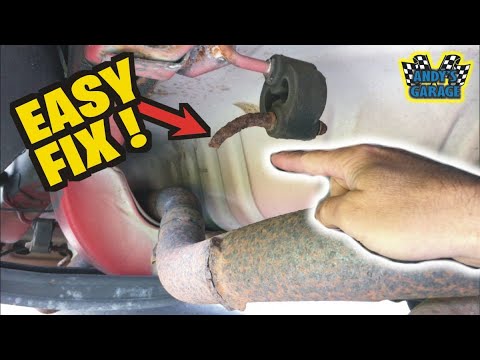
Collision damage is not always limited to the body of the car. The exhaust system on the Murano runs the length of the chassis and is suspended by rubber hangers. A rear impact often shoves the exhaust tips forward. This can result in:
- Stretched or torn hangers: These must be replaced to prevent the exhaust from rattling or falling.
- Bent piping: Even a slight bend can cause grounding out, where the exhaust touches the body, creating loud vibrations and drone inside the cabin.
- Engine Damage: In rare, high-force impacts, the entire exhaust system can be shoved forward hard enough to crack the exhaust manifold at the engine.
4. ADAS Calibration: The Cost of Modern Safety
The 2021 Nissan Murano is equipped with Advanced Driver Assistance Systems (ADAS), such as Rear Cross Traffic Alert and Blind Spot Warning. The sensors for these systems are often located behind the rear bumper corners.
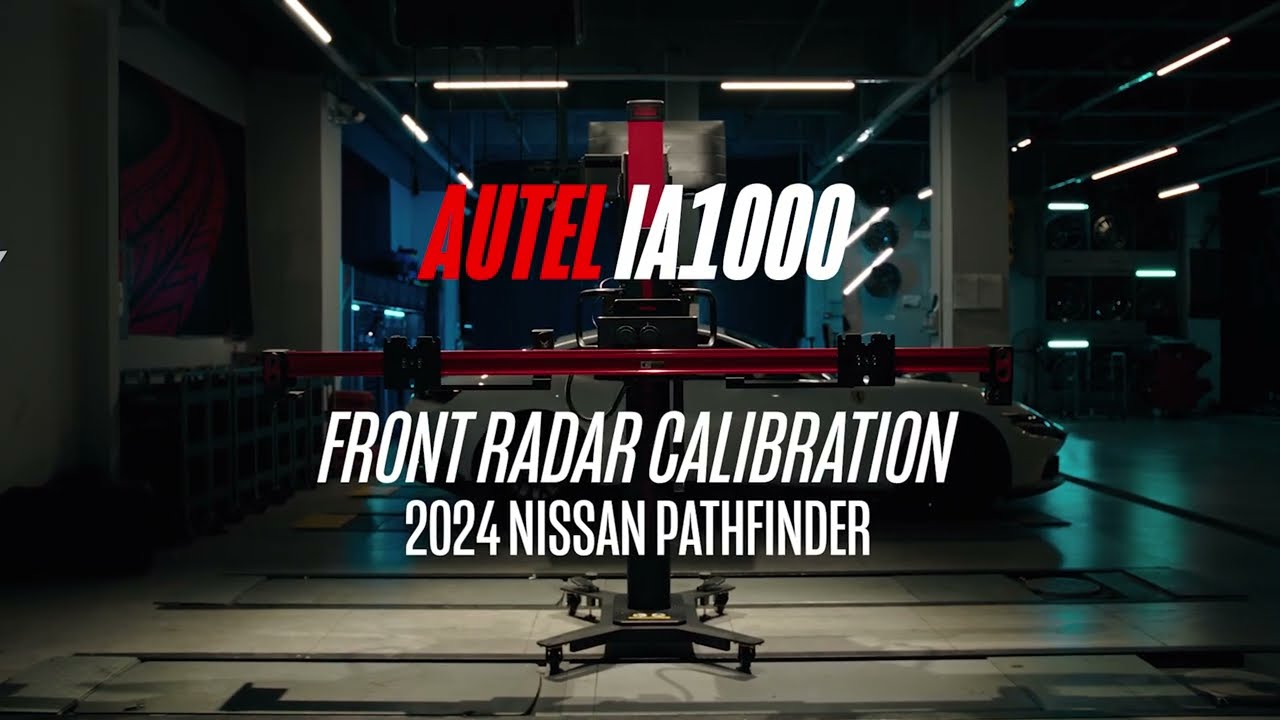
Even if the sensors themselves are not cracked, the brackets holding them may be bent. Nissan repair procedures typically require these systems to be recalibrated if the bumper is removed or if structural repairs are performed. This involves specialized electronic diagnostics and often a test drive with a scan tool. Insurance policies generally cover these operations, but they are frequently omitted from the initial estimate because the adjuster cannot know if a calibration is needed until the repair is underway.
5. Water-Leak Prevention
One of the most overlooked aspects of a rear-end repair is the post-repair phase. The rear body and liftgate sealing areas must be inspected and tested. A common mistake is assuming that if the car looks straight, it is weather-tight. Professional shops will perform water testing to identify potential leaks before the vehicle is delivered to the owner, ensuring you do not end up with a moldy spare tire well or electrical shorts six months later.
Insurance Policies vs. Manufacturer Repair Procedures
It is important to understand the difference between your insurance policy and the manufacturer repair procedures.
- The Policy: This is a contract that determines what the insurer will pay for, such as Original Equipment Manufacturer (OEM) parts versus aftermarket or recycled (LKQ) parts.
- The Procedure: Nissan provides the blueprints for how the car must be fixed to remain safe.
Sometimes, there is a gap between these two. If your policy does not have an OEM Parts Endorsement, your insurer may only pay for aftermarket parts, even if the shop prefers Nissan parts. Review your policy and talk to your shop about these differences before repairs begin.
Practical Steps for the Vehicle Owner
If you are managing a claim for your 2021 Murano, keep these steps in mind:
- Do not assume it is just a scratch: Hidden structural damage can lead to rust and safety issues later.
- Choose a shop that does a full teardown: This reduces the stop and start nature of the repair and gives you a more accurate timeline.
- Ask for scan reports: Request copies of the pre-repair and post-repair diagnostic scans to ensure all safety electronics are functioning.
- Research Diminished Value: Even if perfectly repaired, a vehicle with a significant accident history may be worth less than one without. Depending on your state and who was at fault, you may be entitled to a diminished value claim.
What should I do if my insurance company refuses to pay for a necessary repair step? Consult your policy and the repair facility. If the manufacturer (Nissan) explicitly states a procedure is required for safety (like an ADAS calibration), the insurance company is usually obligated to cover it, but you may need to provide the shop's documentation to your adjuster for a supplement approval.
Written by Curtis Castiglione



No Comments Yet
Be the first to comment on this article.