Curtis.Castiglione@ROzebra.com

2021 Hyundai Santa Fe Front-Corner Collision Costs
By Curtis Castiglione
If you have recently been involved in a front-corner fender bender with your 2021 Hyundai Santa Fe, you might be shocked when you see the repair estimate. At first glance, the damage may look like nothing more than a cracked headlight, a scraped bumper, and a slightly misaligned fender. However, in the world of modern collision repair, the days of buffing it out are long gone.
On a vehicle like the Santa Fe, a front-corner impact involves a complex intersection of high-end electronics, precision brackets, and safety systems. Understanding the relationship between these components and your insurance claim is vital to ensuring your vehicle is returned to its pre-accident condition.
Why does a minor estimate change after the shop starts work?
When an insurance adjuster or a photo-based estimating app looks at your car, they are only seeing the outer skin. This initial estimate is almost always a starting point rather than a final price. A professional repair facility must perform a teardown—the process of removing the bumper cover and exterior panels—to see what happened underneath.

On the 2021 Santa Fe, several factors drive up the cost immediately:
- LED Headlamp Assemblies: These are no longer just plastic housings with bulbs. They are sophisticated LED projectors. A single OEM headlamp for this vehicle can easily exceed $1,000 for the part alone.
- Plastic Mounting Tabs: Headlamps are held in place by plastic tabs. In a collision, these tabs are designed to break to prevent the headlamp from being pushed into the engine. While some tabs can be repaired with kits, many modern units require a total replacement if a mounting point is compromised.
- Fender and Bumper Brackets: Beneath the metal fender are specific guides and reinforcement brackets. If these are even slightly bent, the new body panels will not line up, leading to gaps that affect both aesthetics and wind noise.
The Role of ADAS: Why bolting it on isnt enough
The most significant reason for the high cost of modern repairs is Advanced Driver Assistance Systems (ADAS). Your Santa Fe is equipped with a suite of sensors that may include front radar units used for Smart Cruise Control and Forward Collision-Avoidance Assist, as well as proximity sensors located in the bumper for parking assistance.
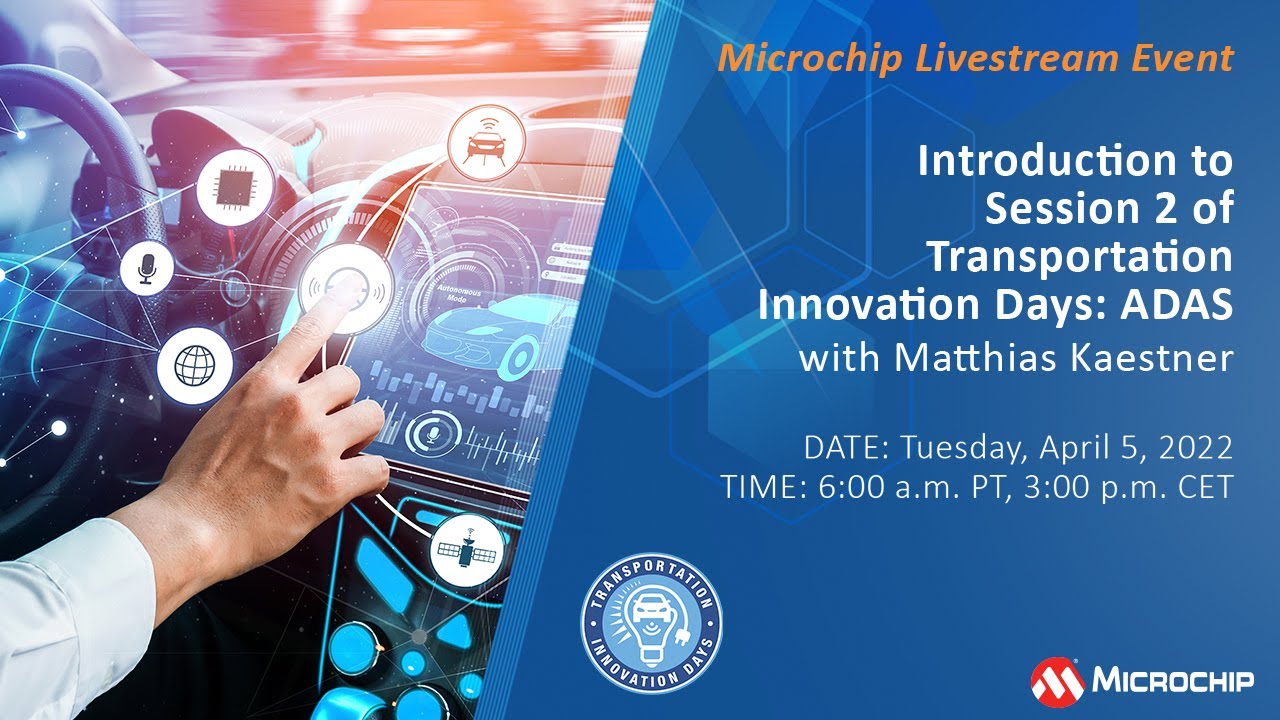
If a collision occurs near these sensors, the repair isn't finished when the paint dries. Hyundai’s repair procedures require diagnostic scans and calibration.
Calibration: The Precision Factor
Calibration is a specialized labor operation where a technician uses software and physical targets to aim the sensors. If a radar sensor is misaligned by even one degree, its field of vision could be off by several feet at highway speeds. This could cause your car to slam on the brakes for an overhead sign or fail to see a car stopping in front of you. Insurance policies generally cover these costs, but they require documentation of the necessity and the specialized labor involved.
Understanding the Insurance Supplement
It is common for a repair shop to find more damage once the vehicle is disassembled. This is handled through an insurance supplement. A supplement is an additional request for payment sent by the shop to the insurance company to cover:
- Concealed Damage: Broken wiring harnesses, cracked washer fluid reservoirs, or bent radiator supports found after teardown.
- Required Procedures: Documenting that a calibration or a specific reset was mandated by the manufacturer.
- Part Price Differences: Adjusting for the actual cost of parts at the time of repair compared to the initial estimate.
Do not be alarmed if your shop tells you they found more damage. It is a sign of a thorough inspection. A shop that doesn't find supplemental damage on a modern SUV is likely skipping critical safety steps.
OEM vs. Aftermarket Parts
One of the biggest points of contention in a Santa Fe repair is the choice of parts. Insurance policies often have provisions allowing for Like Kind and Quality (LKQ) or aftermarket parts to manage costs.
- OEM (Original Equipment Manufacturer): Parts made by Hyundai specifically for your VIN.
- Aftermarket: Parts made by a third party.
- Recycled (LKQ): Parts taken from a donor vehicle in a salvage yard.
For sensitive components like headlamps and radar brackets, aftermarket fitment can be hit-or-miss. If an aftermarket bracket prevents a radar sensor from being calibrated correctly, the shop must document this to the insurance company to justify the use of an OEM part. You should review your specific policy and consult with your repair facility to see how part choices might affect the technology in your vehicle.
What should I do before authorizing repairs?
If you are researching a repair plan for your Santa Fe, follow these steps to protect your investment:
- Ask About the Scan: Ensure the shop performs a Pre-Repair Scan to find hidden electronic faults and a Post-Repair Scan to ensure all systems are clear before delivery.
- Verify Calibration Capabilities: Ask if the shop performs ADAS calibrations in-house or if they sublet that work to a dealership. This will help you understand the repair timeline.
- Review the Estimate for Mechanical vs. Body: Collision insurance covers mechanical damage caused by the impact (like a bent suspension or cracked radiator), but it does not cover mechanical failure due to wear and tear.
- Request Documentation: At the end of the repair, you should receive a report showing that your safety sensors were successfully calibrated and are communicating with the vehicle's computer.
Repairing a 2021 Hyundai Santa Fe is a technical restoration of a high-tech machine. While the costs may seem high for minor damage, those costs represent the precision required to ensure your vehicle’s safety systems remain functional. Always consult with a qualified repair facility that prioritizes manufacturer-recommended procedures over the quickest or cheapest fix.



No Comments Yet
Be the first to comment on this article.