Curtis.Castiglione@ROzebra.com
2021 GMC Canyon Front-Corner Collision Repair Guide
By Curtis Castiglione
When a 2021 GMC Canyon is involved in a front-corner collision, the damage often extends far beyond a cracked grille or a scuffed bumper. Because modern mid-size trucks integrate safety technology, electrical systems, and complex suspension geometry into the front corners, what looks like a minor fender-bender can quickly turn into a multi-stage repair involving body technicians, mechanics, and insurance adjusters.
If you are researching repairs before authorizing work, it is important to understand why the initial estimate often changes and how the relationship between your insurance policy and the repair facility dictates the outcome.
Why does my repair estimate change after the teardown?
The first estimate you receive, whether from an insurance appraiser or a body shop, is rarely the final cost. In the industry, we call this the "preliminary estimate" or a "blueprint."
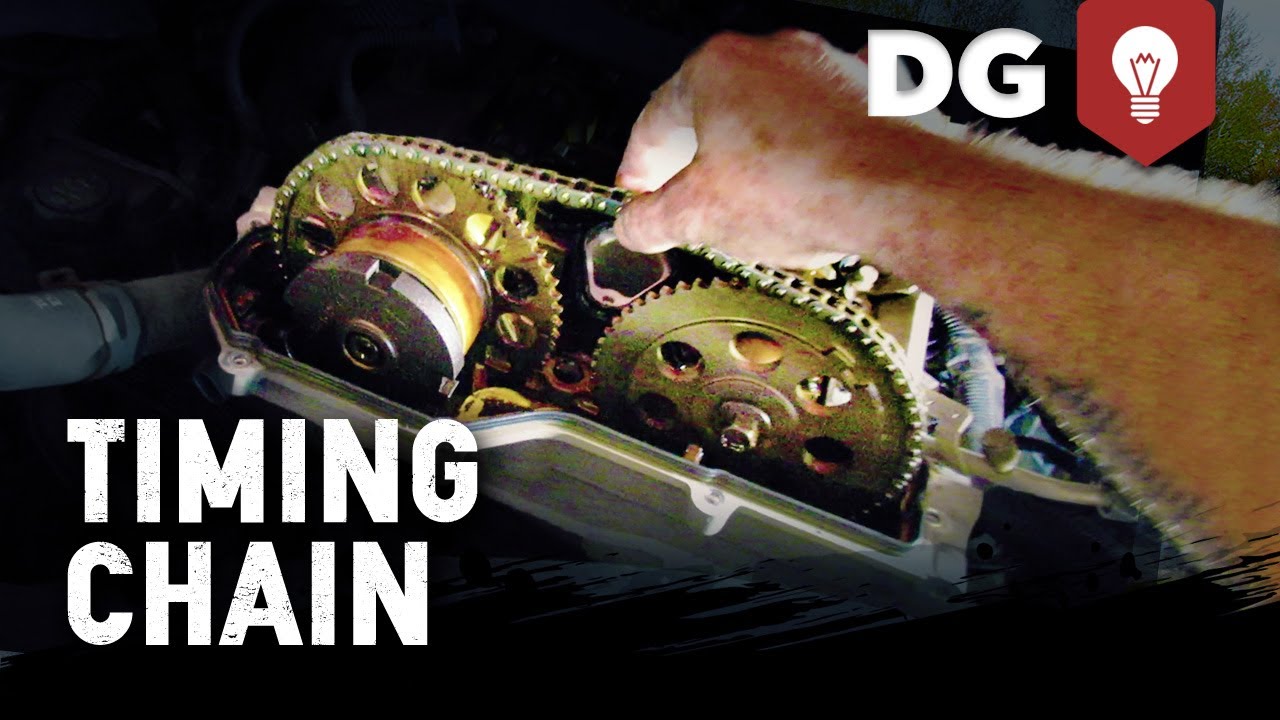
For a 2021 GMC Canyon, a front-corner impact usually requires a teardown—the removal of the bumper cover, grille, and headlights—to see what is happening behind the plastic.

You may find:
- Hidden Brackets: While the bumper cover may only be scratched, the internal mounting brackets that secure it to the frame are often snapped.
- Electrical Damage: If the fog lamp housing was pushed back, it might have sheared the wiring harness or broken the plastic connector.
- Structural Components: Damage to the radiator support or bumper reinforcement bar often is not visible until the exterior panels are removed.
These hidden items are added to the claim through a process called a supplement. The shop documents the additional damage with photos and sends it to the insurance company for approval. This is a standard part of the repair process, but it is why your final bill often exceeds the initial quote.
Does insurance cover the mechanical damage to my suspension?
If your Canyon’s wheel took a direct hit, the damage is no longer just cosmetic; it is mechanical. Components like the control arm, steering knuckle, tie rod, and wheel hub are designed to absorb energy during an impact. Even a slight bend in a steel or aluminum suspension component can make the vehicle unsafe or cause premature tire wear.
Insurance policies generally cover mechanical damage caused by a collision, but there is a vital distinction to understand: collision damage versus wear and tear.
- Collision Damage: If the accident bent your control arm, the insurance company should pay to replace it.
- Wear and Tear / Betterment: If the technician discovers your ball joints were already worn out prior to the accident, the insurance company may not cover that portion of the repair. Alternatively, they may apply "betterment." Betterment occurs when a repair replaces a worn part with a brand-new one, potentially increasing the vehicle's value. In these cases, the insurer may ask the owner to pay a percentage of that part's cost.
The Importance of Alignment and ADAS Calibration
A front-corner hit on a GMC Canyon almost always requires a four-wheel alignment. If the truck cannot be brought back to the manufacturer's specifications, it usually indicates a bent frame rail or a compromised structural component that was missed during the initial inspection.

Furthermore, modern Canyons are often equipped with Advanced Driver Assistance Systems (ADAS), such as Forward Collision Alert or Lane Departure Warning. These systems rely on sensors and cameras. If the front bumper, grille area, or suspension geometry is disturbed, the manufacturer often requires a recalibration.
This is a specialized labor operation requiring specific software and targets. When reviewing your estimate, look for "ADAS Calibration" or "Pre/Post-Repair Scans." These are not "fluff" charges; they are vital for ensuring the truck’s safety systems function correctly when you get back on the road.
Who pays for the parts, and can I choose OEM?
One of the biggest points of contention between owners and insurance companies is the use of Original Equipment Manufacturer (OEM) parts versus Aftermarket or Recycled (LKQ) parts.
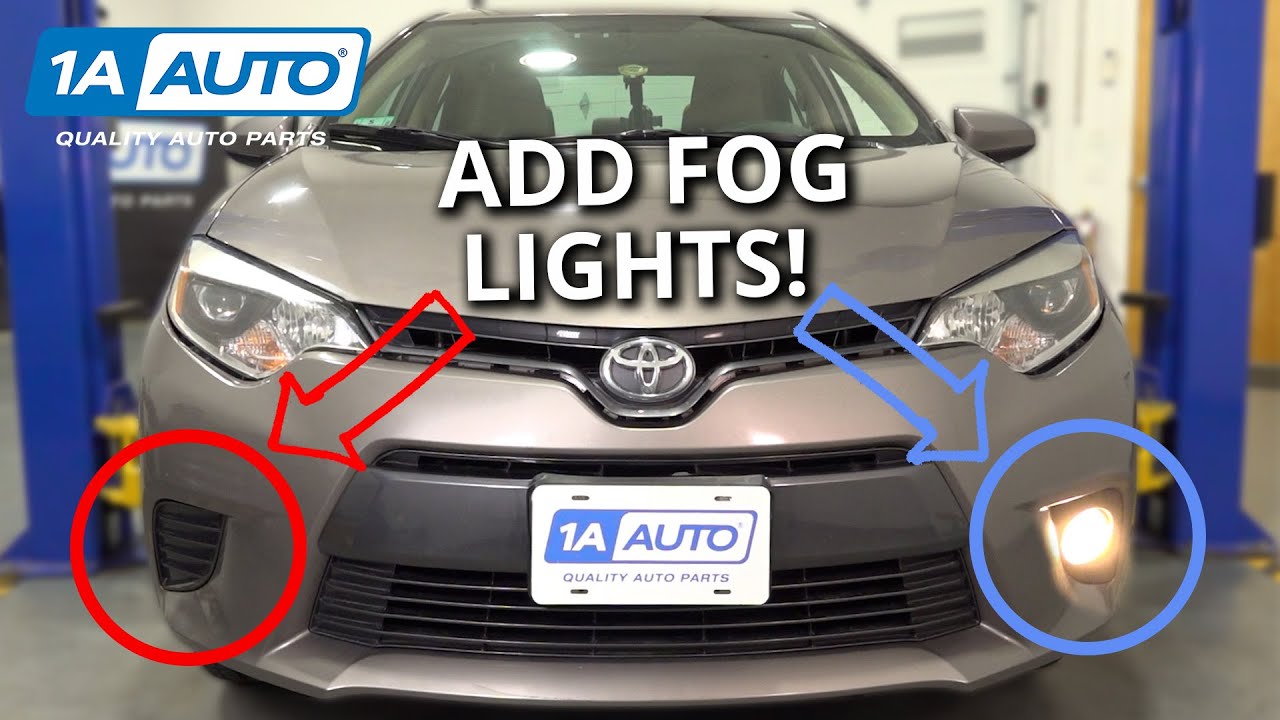
Most insurance policies contain language allowing the insurer to base the payment on the cost of "alternative" parts. While GMC recommends using genuine GM parts for the best fit and finish—especially for complex components like the grille and fog lamp housings—your insurance policy might only pay for an aftermarket equivalent.
What you should know:
- The Price Difference: If you insist on OEM parts and your policy does not require them, you may be responsible for the price difference.
- Price Matching: Many shops will attempt to work with local GM dealers to price match OEM parts to the aftermarket price allowed by the insurance company.
- Policy Review: Review your specific policy to see if you have an OEM Parts Coverage endorsement. Policies vary by state and provider.
What happens if the repair costs more than the truck is worth?
In some cases, a front-corner hit can trigger a "Total Loss." This happens when the cost of parts, labor, paint, and potential supplements approaches a certain percentage of the vehicle's Actual Cash Value (ACV)—usually between 70% and 80%, depending on state law.
On a 2021 model, a total loss is less likely unless there is significant frame damage or the airbags deployed. However, if the repair costs continue to climb during the supplement process, the insurance company may decide it is more cost-effective to pay you the value of the truck rather than finish the repairs.
Practical Steps for the Vehicle Owner
- Demand a Teardown: Do not sign a final authorization for repairs until a full teardown has been performed. This ensures the shop has identified the broken fog lamp wiring and bent tie rods before ordering parts.
- Ask for the Pre-Repair Scan: This document shows the health of the vehicle's computers immediately after the accident. It is your best evidence if a mechanical or electrical issue pops up mid-repair.
- Check for ADAS Requirements: Ask the shop if your specific VIN requires calibration for the Forward Collision Alert after a bumper or suspension repair.
- Understand Your Role: Remember that the contract of insurance is between you and your provider, while the repair contract is between you and the shop. You have the right to choose your repair facility in most states, but you are responsible for your deductible and any costs not covered by your policy.
Understanding that a GMC Canyon is a complex machine will help you navigate the estimate process with realistic expectations, ensuring your truck is returned to you in a safe, roadworthy condition.



No Comments Yet
Be the first to comment on this article.