Curtis.Castiglione@ROzebra.com
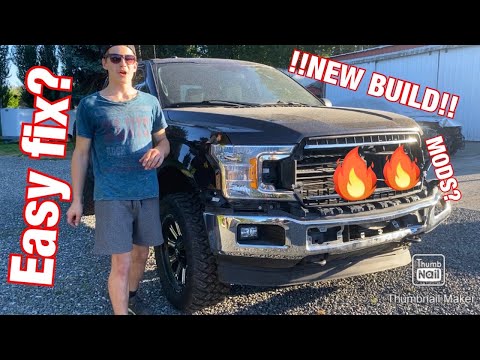
2021 Ford F-150 Front-End Collision and ADAS Repair Guide
If you own a 2021 Ford F-150 and have recently been in a front-end collision, you might be experiencing estimate shock. It is a common scenario: the insurance adjuster writes an initial estimate for 1,200 dollars to replace a cracked plastic grille and a scuffed bumper, but a week later, your repair facility calls to tell you the actual cost has climbed north of 5,000 dollars.
This discrepancy isn’t necessarily a sign of a dishonest shop or an incompetent adjuster. Instead, it is a reflection of how modern vehicle technology—specifically on the 14th-generation F-150—has fundamentally changed the collision repair process.
By Curtis Castiglione
The Problem with Visual Estimates
Most insurance claims begin with a preliminary visual estimate. Whether performed via a mobile app or a quick walk-around, these estimates are designed to capture open and obvious damage. However, on a 2021 F-150, the grille is no longer just a decorative piece of plastic. It is a sophisticated housing for a complex ecosystem of components.
Behind that Ford emblem and plastic mesh, you will find:
- Active Grille Shutters: These motorized slats open and close to manage engine cooling and aerodynamic efficiency.
- Front-Facing Camera: This provides the visual data for the 360-degree camera system.
- Radar Sensor: Often located in the lower bumper area, this sees the distance between you and the car ahead for Adaptive Cruise Control and Pre-Collision Assist.
- Wiring Harnesses: High-speed data cables that connect these sensors to the truck’s central computers.
The initial estimate rarely accounts for these items because they are hidden. Until the vehicle is dismantled, it is impossible to see if a sensor bracket is hairline-fractured or if a wire has been pinched.
The Critical Role of the Teardown and Supplements
The most important phase of a modern repair is the teardown. This is where technicians remove the damaged outer skins to inspect the structural mounting points and electronic components underneath.
Because the 2021 F-150 uses a combination of aluminum and high-strength steel, the way the truck absorbs energy is different from older steel-bodied vehicles. A minor tap can shift a mounting bracket by just a few millimeters. While that shift might be invisible to the naked eye, it is enough to render a safety sensor useless or dangerous.
When a shop finds this hidden damage, they submit a supplement to the insurance company. This is a request for additional funds to cover the parts and labor operations that weren't visible during the first inspection.
Why Calibration Cannot Be Ignored
The single biggest factor in the rising cost of F-150 repairs is ADAS (Advanced Driver Assistance Systems) Calibration. If a technician unplugs a camera, replaces a radar sensor, or even removes a bumper to access a light bulb, those systems must be recalibrated.

If the camera is off by even a fraction of a degree, it might think a car in the next lane is actually in your lane, leading to an unnecessary and dangerous Automatic Emergency Braking event. Ford’s repair procedures are very specific about how these systems must be reset:
- Static Calibration: This takes place in the shop. The truck is placed in a level bay with specialized targets set at precise distances. The truck’s computer looks at these targets to find its center.
- Dynamic Calibration: This requires a technician to drive the vehicle at specific speeds on well-marked roads while the onboard computer learns to recognize lanes and traffic patterns.
These procedures require specialized tools, software, and significant labor time, which adds hundreds or even thousands of dollars to a repair bill that used to only involve bodywork.
Parts Selection: OEM vs. Aftermarket
This is a common point of contention between owners, shops, and insurance companies. Most insurance policies include language allowing for Like Kind and Quality (LKQ) or aftermarket parts to keep costs down.
However, with a 2021 F-150, using a non-Original Equipment Manufacturer (OEM) grille or bumper can be problematic for two reasons:
- Radio-Frequency (RF) Transparency: Radar sensors see through the plastic of the bumper or grille. Aftermarket plastics may have different thicknesses or metallic compositions that interfere with the radar signal.
- Camera Clarity: Aftermarket camera mounts may not hold the lens at the precise angle required for the 360-degree birds-eye view to stitch together correctly on your screen.
If your insurance company insists on an aftermarket part, your repair facility should document whether that part allows the safety systems to calibrate successfully. If it doesn't, the insurer is generally obligated to pay for the OEM part required to return the vehicle to its pre-loss safety standards.
What Should You Do Before Authorizing Repairs?
When you take your F-150 to a collision center, don't just ask about the paint match. Ask about the technology.

- Ask for a Pre-Repair Scan: Ensure the shop performs a diagnostic scan before work begins to identify soft codes—electronic faults that don't necessarily trigger a dashboard light but indicate damaged sensors.
- Verify Calibration: Ensure the final invoice includes line items for ADAS calibration. If it doesn't, your safety systems may not be active.
- Request a Calibration Report: When the job is done, ask for the documentation showing that the ADAS systems were successfully calibrated and tested.
- Check for Supplements: Ask the shop to explain any differences between the insurance company’s original estimate and the final bill. This ensures you aren't held responsible for costs the insurance company should have covered.
Vehicle technology has moved faster than many insurance estimating systems. By understanding that a simple grille replacement on a 2021 Ford F-150 involves structural inspection, electronic diagnostics, and precise calibration, you can better manage the repair process and ensure your truck is returned to its pre-accident safety standards.
Disclaimer: Insurance policy provisions and state laws vary significantly. You should always review your specific policy and consult with your insurance company and a qualified repair professional regarding your coverage and repair options.



No Comments Yet
Be the first to comment on this article.