Curtis.Castiglione@ROzebra.com

2021 Chevrolet Tahoe Rear-End Collision Repair & Estimating
When a 2021 Chevrolet Tahoe is involved in a rear-end collision, the visible damage to the bumper and liftgate is often just the beginning of a complex repair process. Modern full-size SUVs like the Tahoe are equipped with sophisticated electronics, integrated fluid systems, and specific structural requirements that make a simple visual inspection insufficient for a complete insurance claim or a safe repair.
If you are looking at a dented liftgate and thinking it is a straightforward "remove and replace" job, you may be surprised by the final repair bill or the time it takes to complete. Here is the automotive reality of what happens behind the scenes during a Tahoe rear-end repair.

Why did my initial estimate change after the shop started working?
The first estimate you receive—whether it is from an insurance appraiser in your driveway or an "over-the-phone" photo app—is almost always a visual estimate. This is based only on what can be seen without taking the vehicle apart.
For a 2021 Tahoe, an initial estimate might list only the rear bumper cover and the exterior liftgate panel. However, once a professional shop performs a teardown—removing the interior trim panels, the bumper assembly, and the liftgate glass—they often discover hidden damage.
Commonly discovered hidden damage on the Tahoe includes:
- Distorted Liftgate Hinges: The force of the impact can bend the hinges, meaning a new liftgate will never sit flush.
- Crushed Wiring Harnesses: Rear body wiring runs through the pillars and into the liftgate. Pinched wires can lead to intermittent electrical "ghosts" weeks after the repair.
- Tweaked Rear Body Header: This is the metal frame the liftgate attaches to. If this is moved even a few millimeters, the liftgate will not seal, leading to wind noise or water leaks.
When these items are found, the shop submits a supplement to the insurance company. A supplement is a request for additional parts or labor hours that were not included in the original quote. This is a standard part of the collision repair process; you should expect the final cost to be higher than the initial estimate.
The Complexity of the Liftgate and Rear Glass Assembly
The liftgate on a 2021 Tahoe is not just a piece of sheet metal. It is a high-tech housing unit for several integrated systems.
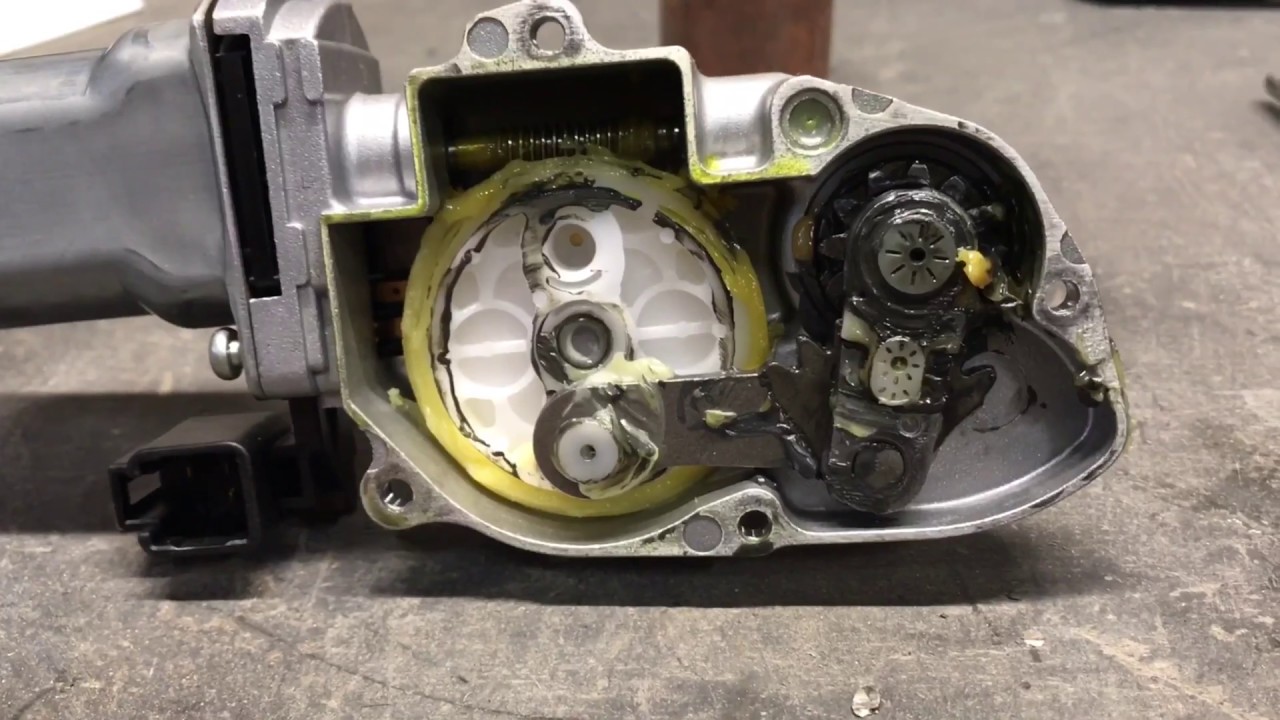
The Rear Wiper and Washer Trap
A common mistake owners and some adjusters make is assuming that if the rear wiper arm moves, the system is fine. This is a dangerous assumption for several reasons:
- The Mounts: The impact can crack the internal mounting brackets of the wiper motor, which may only fail completely months later.
- The Plumbing: The washer fluid hose runs through the liftgate. If it is pinched or slightly cracked, it may not leak immediately. However, once you use the washer, fluid can leak inside the liftgate cavity.
- The Risk: Fluid leaking inside the liftgate can short out the electronic latch, the rear camera wiring, or the license plate illumination, leading to expensive repairs down the road.
Cameras and ADAS Systems
Most 2021 Tahoes feature high-definition rear vision cameras or surround-view systems. Even if the camera lens is not cracked, the impact may have shifted its mounting angle.
If the liftgate or bumper is repaired or replaced, the camera system requires a digital calibration. This is a diagnostic procedure where the shop uses specialized software to ensure the camera’s field of vision aligns with the vehicle’s computer systems. If your estimate does not include a pre-repair and post-repair diagnostic scan and a camera calibration, the repair is technically incomplete.
Parts: OEM vs. Aftermarket and Recycled
Insurance policies vary significantly regarding which parts are used. Some policies allow for Original Equipment Manufacturer (OEM) parts, while others specify "Like Kind and Quality" (LKQ/recycled) or aftermarket parts.
On a vehicle as new and technologically dense as a 2021 Tahoe, parts choice matters:
- Sensors: Aftermarket parking sensors often have different sensitivities than OEM sensors, which can trigger false positives while backing up.
- Fitment: Aftermarket liftgates may not meet the tight tolerances required for the Tahoe’s weatherstripping to seal properly.
If your repair facility finds that an aftermarket part does not meet the manufacturer's tolerances or interferes with a safety system, they must document this to the insurance company to justify an OEM replacement. You should review your specific policy language to see what your "choice of parts" coverage includes.
Structural Integrity: The Opening and Alignment
A major concern with rear-end hits on large SUVs is the alignment of the rear body opening. If the impact was hard enough to damage the liftgate, the rear pillars or the floor pan may have shifted.
This results in a "racked" opening where the gaps around the liftgate are uneven. Beyond the aesthetics, a racked opening prevents the weatherstripping from sealing correctly. A quality shop will use a three-dimensional measuring system to ensure the vehicle's structure is pulled back to factory specifications before hanging new parts.

What happens when I authorize repairs?
Before you sign the repair authorization, ask the shop these four specific questions to ensure your Tahoe is returned to factory standards:
- Will you perform a pre-repair and post-repair diagnostic scan? This is necessary to identify hidden fault codes in the ADAS and camera systems that do not trigger a dashboard light.
- How will you test the rear washer system for internal leaks? Simply turning on the wiper is not enough; the shop should inspect the hose routing inside the liftgate.
- Does the estimate include 3D measuring of the rear body structure? This ensures the liftgate gaps and seals meet factory specifications.
- Are there any calibrations required for the rear camera or parking sensors? Modern safety systems are sensitive to even slight changes in mounting position.
Final Thoughts
As the vehicle owner, you are the one who authorizes the repair contract with the shop. The insurance company's job is to indemnify you—to pay for the cost of returning the vehicle to its pre-loss condition according to your policy.
If there is a disagreement over repair procedures, the shop should provide documentation from General Motors to show why a specific procedure (like a calibration or a structural pull) is necessary for safety. Documentation is your best tool for ensuring a thorough repair and protecting the resale value of your Tahoe.



No Comments Yet
Be the first to comment on this article.