Curtis.Castiglione@ROzebra.com
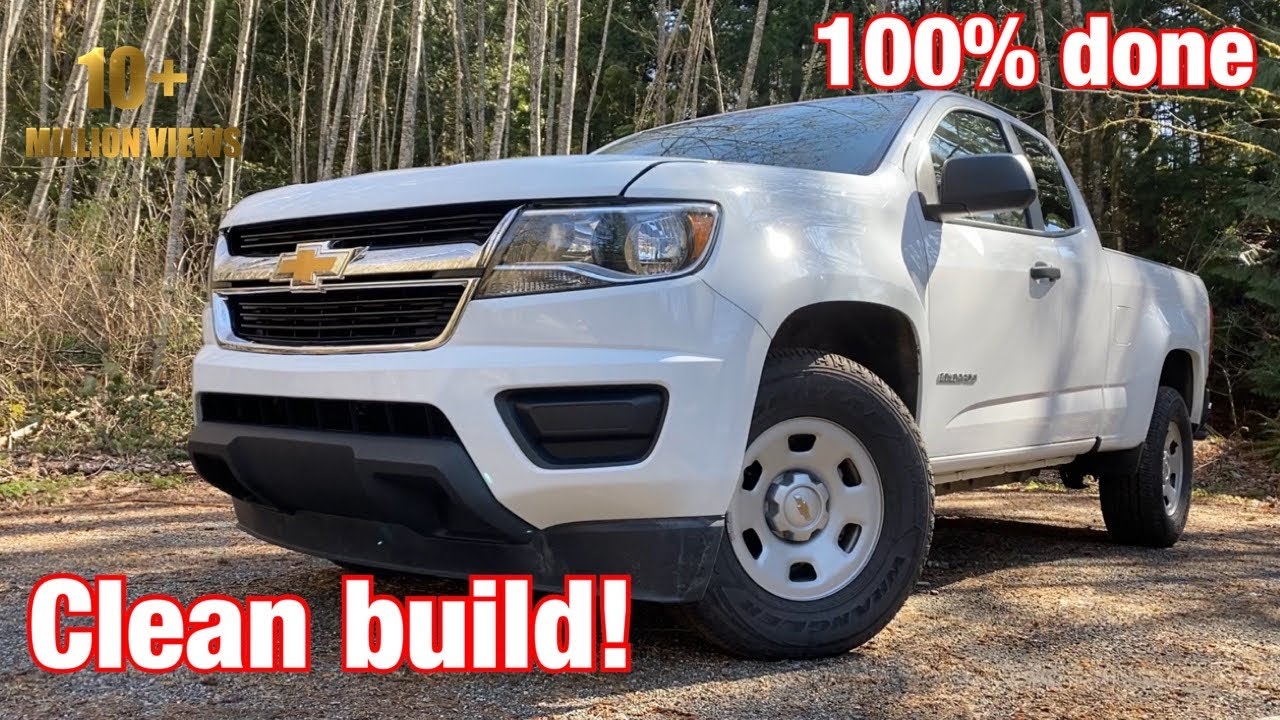
2021 Chevrolet Colorado Rear Collision Repair Guide
When a 2021 Chevrolet Colorado is struck from behind, the initial assessment by an insurance adjuster often focuses on the most visible component: the rear bumper. However, modern mid-size trucks are engineered as integrated systems where a hit to the bumper rarely ends at the chrome or plastic.
If you are looking at a repair estimate that seems low, or if you are wondering why your repair shop is asking for more money after taking the truck apart, it is likely because of the complex relationship between the body, the frame, and the electrical systems.
Why did my estimate change after the teardown?
The primary reason a repair estimate increases—often significantly—is hidden damage. In the collision industry, we call the update to the initial estimate a supplement.
On a Chevrolet Colorado, the rear bumper is bolted to the frame rails via specific mounting brackets. These brackets are designed to absorb energy, but in a significant impact, that energy is transferred directly into the truck bed or the frame itself.

Common issues discovered during teardown include:
- Shifted Bed Mounts: The bed is held to the frame by large bolts. A rear impact can shift the entire box forward.
- Cab-to-Bed Contact: If the bed shifts, it can strike the back of the cab. This often results in chipped paint or small dents on the cab corners that are not visible until the bed is measured or removed.
- Frame Rail Distortion: Even if the truck drives fine, the ends of the frame rails where the bumper attaches may be slightly compressed or twisted.
Is my tailgate actually broken if it still opens and closes?
A tailgate that functions may still be structurally compromised. In a rear collision, the tailgate is often pushed upward or inward, distorting the hinges or the striker plates where the latch catches.
A professional repair facility will check the gaps—the vertical space between the tailgate and the bedsides. If these gaps are uneven (wider at the top than the bottom, for example), it indicates that the bed structure has been tweaked.

Repairing this correctly involves more than just hanging a new tailgate; it requires measuring the bed floor to ensure the opening is perfectly square. If the hinges are even slightly out of alignment, the tailgate may eventually leak water, vibrate at highway speeds, or fail to lock properly.
Why trailer wiring matters in a collision repair
The 2021 Colorado is frequently equipped with a multi-pin trailer wiring harness integrated into the bumper area. Even if the plastic connector looks intact, the force of the impact can stretch the internal wiring or damage the ground connection behind the bumper.
Modern vehicle electronics are incredibly sensitive to electrical resistance. A pinched wire or a partially loose ground can cause:
- Intermittent lighting faults.
- Trailer brake controller errors.
- Ghost signals or warning lights on the dashboard.
- Faulty Rear Park Assist sensors.

A quality repair must include a functional test of the trailer plug using a circuit tester and a Post-Repair Scan. If your truck has Rear Park Assist or a backup camera, these components may also require ADAS (Advanced Driver Assistance Systems) calibration. If the bumper is not perfectly aligned to factory specifications, the sensors may not see the world correctly, leading to safety concerns.
Does insurance cover OEM parts or aftermarket?
This is a frequent point of contention during the claims process. Whether your insurance company pays for Original Equipment Manufacturer (OEM) parts or Like Kind and Quality (LKQ/aftermarket/recycled) parts depends on your specific insurance policy language and your state regulations.
On a late-model vehicle like a 2021 Colorado, many owners prefer OEM parts to ensure the metal thickness and corrosion protection match factory standards. If an insurance company specifies an aftermarket bumper or tailgate, the shop must verify fitment. For example, if an aftermarket trailer wiring connector does not snap into the bumper securely, the shop should document the failure and request an OEM replacement through a supplement.
You should review your policy and consult your insurance company regarding OEM Endorsements, which are specific provisions that guarantee the use of factory parts.
What should I do if I suspect structural damage?
If you are involved in a rear collision with your Colorado, do not authorize a cosmetic-only repair without a thorough inspection. To ensure your truck is returned to its pre-loss condition, follow these steps:
- Request a Pre-Repair Scan: This identifies any existing soft codes in the vehicle’s computers related to the trailer wiring or parking sensors.
- Inspect the Cab-to-Bed Gap: Look at the space between the back of the cab and the front of the truck bed. It should be uniform from top to bottom. If it is tighter at the top, the bed has likely tilted forward.
- Test the Trailer Plug: Ensure the spring-loaded door and the internal pins are not cracked, bent, or corroded.
- Review the Supplement: When the shop finds damage to bed mounts or the frame, ensure they provide clear photographs and a written explanation of the necessary labor for the insurer.
While insurance coverage is designed to return the vehicle to its pre-loss condition, that condition includes things you cannot see, such as frame squareness and electrical integrity. Responsibility for a safe and complete repair ultimately rests with the repair facility and the vehicle owner's authorization. Always consult with a qualified collision professional who prioritizes manufacturer-recommended repair procedures over the initial, often incomplete, insurance estimate.



No Comments Yet
Be the first to comment on this article.