Curtis.Castiglione@ROzebra.com
2020 Volkswagen Passat Wheel Impact & Suspension Repair Guide
If you have struck a curb or a deep pothole in your 2020 Volkswagen Passat, you might breathe a sigh of relief when you step out and see that the fender and bumper are not even scratched. However, that relief often vanishes the moment you get back behind the wheel. If the steering wheel is no longer centered, the car pulls to one side, or the dashboard is lit up with warning icons, you are dealing with significant hidden mechanical damage.
In the world of modern collision repair, the wheel is often the fuse of the suspension system—it is designed to transfer energy into specific components to protect the vehicle’s structural integrity. Here is what you need to know about navigating the insurance claim and repair process for a 2020 Passat wheel impact.
Does insurance cover a curb strike?
One of the most common questions owners ask is: "Does insurance even pay for hitting a curb?"
In most jurisdictions, hitting a curb is classified as a single-vehicle accident. If you carry collision coverage, your insurance company will typically pay for the repairs, minus your deductible. However, if you only carry liability insurance, you will likely be responsible for the full cost of the repair out of pocket.
Because insurance policies and state laws vary, you should review your specific policy language or consult your agent. Keep in mind that filing a collision claim for a curb strike may affect your future premiums, so it is wise to get a repair estimate first to see if the cost significantly exceeds your deductible.
Why did my insurance estimate change after the shop started?
It is a common source of frustration for vehicle owners: The insurance adjuster writes an initial estimate for a new tire and a wheel (roughly $600 to $900), but two days later, the shop calls and says the bill is now $3,500.
This is not a scam; it is the standard diagnostic process.
Insurance adjusters often write visual-only estimates. They cannot see a bent strut or a shifted subframe just by looking at the car in a driveway. Once the vehicle is on a lift at a professional repair facility, the technician performs a teardown and a diagnostic wheel alignment.

On a 2020 Passat, the suspension is engineered with sacrifice points. The strut, lower control arm, and steering knuckle are designed to bend when they take a lateral hit. This absorbs the energy of the impact. A wheel alignment machine provides the proof needed for the insurance company; if the camber or caster angles are out of factory specification and cannot be adjusted back, it confirms the parts are physically deformed. This leads to a supplement—an additional claim sent to the insurer to cover the hidden parts and labor discovered during the teardown.
The Complexity of ABS and ADAS Warnings
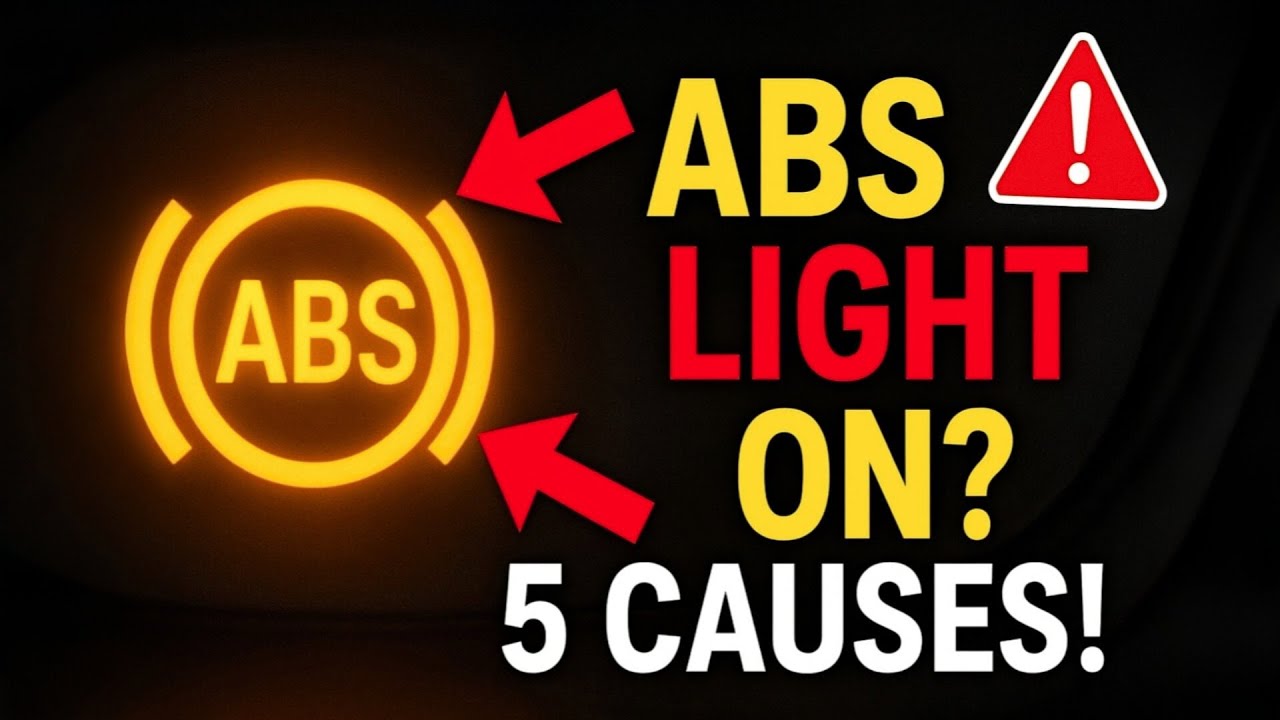
If your ABS, traction control, or Front Assist lights are on after an impact, the problem is rarely a simple electronic glitch.
1. Mechanical Damage to Sensors
The 2020 Passat utilizes wheel-speed sensors mounted in close proximity to the hub and bearing. A heavy impact can:
- Shift the wheel bearing, changing the gap between the sensor and the magnetic ring.
- Physically crush the sensor tip.
- Stretch or tear the wiring harness as the suspension reaches its limit of travel.
2. Calibration of Safety Systems
Modern Volkswagens are packed with Advanced Driver Assistance Systems (ADAS). If a control arm is bent, the car’s thrust angle changes. Because systems like Lane Assist and Front Assist (Automatic Emergency Braking) rely on the vehicle being mechanically squared, a suspension repair often requires a dynamic or static calibration. The car's computer must be told exactly where straight is again to ensure these safety systems function correctly.
OEM vs. Aftermarket: Who chooses the parts?
A major point of contention in suspension repairs is the use of Original Equipment Manufacturer (OEM) parts versus Aftermarket or Like Kind and Quality (LKQ/Recycled) parts.
Insurance companies are generally only required to restore the vehicle to its pre-loss condition. Many policies explicitly state that the insurer can use non-OEM parts to keep costs down. However, suspension components are safety-critical.
- The Conflict: Your shop may argue that an OEM steering knuckle is necessary to ensure the metal alloys and tolerances match the factory's safety crash ratings.
- The Reality: If your policy allows for aftermarket parts and you insist on OEM, you may be required to pay the price diff—the difference in cost between the two parts. Always check your policy or ask your shop if they can price-match OEM parts to the insurance allowance.
What should you do if your car feels off?
Do not assume that because the car is drivable, it is safe. A bent strut or control arm can cause unpredictable handling during emergency braking or in wet weather. If you are managing a claim for a 2020 Passat, follow these practical steps:
- Request a Diagnostic Scan: Ensure the shop performs a pre-repair scan to document all fault codes in the ABS and ADAS modules.
- Verify the Alignment: Ask for a printout of the alignment before and after specs. This is your primary documentation for insurance that the parts replaced were actually damaged.
- Document Everything: Take photos of the vehicle while it is on the lift. A photo of a bent control arm next to a new one is the best way to resolve a disagreement with an insurance adjuster.
- The Test Drive: After the repair, ensure the steering wheel is perfectly level while driving on a flat road. If it is tilted even slightly, the alignment or the calibration is not yet correct.
If your insurance company denies a specific part—such as a wheel bearing—ask for a written explanation. Often, the shop simply needs to provide better technical documentation (like pin-out test results of the wiring) to prove the damage was caused by the impact and not by previous wear and tear.
Every insurance policy and repair situation is different. You should always consult with your repair professional and your insurance carrier to understand your responsibilities and the specific requirements for your 2020 Volkswagen Passat.



No Comments Yet
Be the first to comment on this article.