Curtis.Castiglione@ROzebra.com
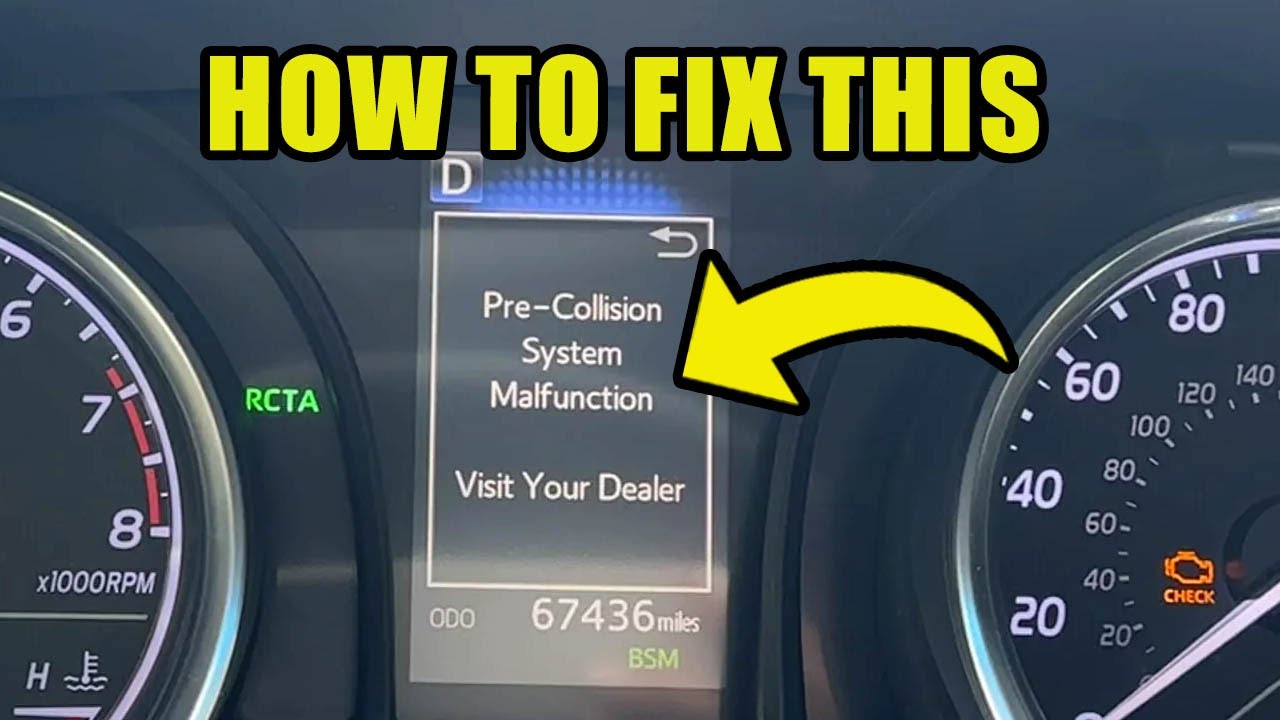
2020 Toyota Sienna Front-End Collision: Why Repair Estimates Increase
If you have been involved in a front-end collision with your 2020 Toyota Sienna, you may be surprised when an initial insurance estimate of a few thousand dollars suddenly doubles or triples once the vehicle arrives at the body shop. This sticker shock is a common occurrence in modern collision repair.
While the exterior of your minivan might only show a cracked grille or a scuffed bumper, the complex cooling stack and sensitive electronics housed directly behind those plastic components are often where the real damage lies.
The Bumper Mirage: Why Hidden Damage is Common
An insurance adjuster often writes a preliminary estimate based on a visual inspection of the vehicle while it is still fully assembled. This is known as a visual-only estimate.
On a 2020 Sienna, the plastic bumper cover is designed to be resilient; it can flex and snap back into its original shape after a low-speed impact. However, the components behind it—made of thin aluminum, brittle plastic, and precise sensors—do not have that same flexibility.

The real damage is usually revealed during the teardown, where a technician removes the bumper cover and structural reinforcements. Only then can the true extent of the damage to the cooling package and structural supports be documented.
The Critical Role of the Cooling Package
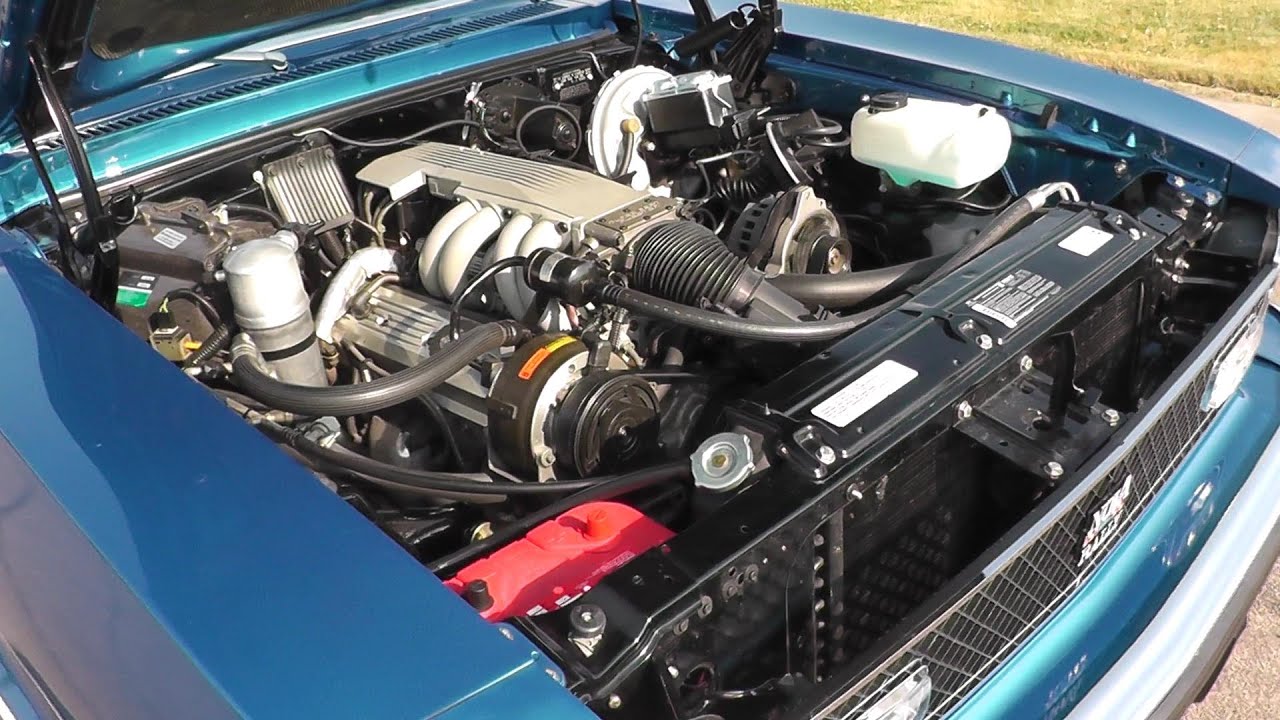
The 2020 Sienna relies on an efficient cooling system to protect the engine and provide cabin comfort. These components are stacked closely together, meaning damage to the front-most part often cascades backward.
- A/C Condenser: This is the first component in line. It is very thin and easily bent. Even if it isn't leaking refrigerant immediately, bent fins can restrict airflow, leading to poor A/C performance or engine overheating down the road.
- Radiator: Located behind the condenser, the radiator is pressurized. Any hairline crack in the plastic tanks or distortion of the aluminum core necessitates an immediate replacement.
- Cooling Fans and Shroud: If the radiator is pushed back, it can make contact with the cooling fan shroud. If the fan blades hit the shroud or the radiator core, the fan motor can burn out or the blades can shatter, potentially causing catastrophic engine failure if the vehicle continues to be driven.
- Radiator Support: This is the framework that holds everything in place. If this structure is shifted or bent, nothing else will line up correctly, including your hood latch and headlights.
Modern Technology and ADAS Calibration
One of the primary reasons repair costs escalate on a 2020 Sienna is the presence of Advanced Driver Assistance Systems (ADAS). Most Siennas from this era are equipped with a radar sensor located directly behind the Toyota emblem in the grille.
This sensor controls the Pre-Collision System and Dynamic Radar Cruise Control. If the radiator support has shifted by even a few millimeters, the mounting point for that radar sensor is no longer in its factory-specified position.

Repairing this requires more than just parts:
- Computerized Calibration: After mechanical repairs, the shop must perform a calibration of the radar using specialized software and targets.
- Specialized Requirements: This requires specific floor space requirements and precise measurements to ensure the safety systems function as intended.
- Safety Necessity: This is a mandatory safety procedure, not an optional convenience, and it adds significant labor and diagnostic costs to the final bill.
Understanding the Supplement Process
When the shop finds damage to the radiator, condenser, or wiring that was not on the original insurance estimate, they submit a supplement.
This is a formal request for additional funds based on the actual findings during disassembly. The insurance company may send an adjuster to verify the damage or request digital photos and diagnostic scans showing the fault codes. While this process can add several days to the repair timeline, it is a necessary step to ensure the vehicle is returned to its pre-accident condition.
Parts Selection: OEM vs. Aftermarket
Your insurance policy usually dictates the type of parts used. You may see these terms on your estimate:
- OEM (Original Equipment Manufacturer): New parts made by Toyota.
- A/M (Aftermarket): Parts made by a third party.
- Recycled/LKQ (Like Kind and Quality): Used parts from a salvage yard.
Toyota generally recommends OEM parts to ensure proper cooling efficiency and fitment. Aftermarket radiators may have different core thicknesses, and recycled cooling components carry the risk of internal contamination or stress cracks from a previous accident. If a shop finds that an aftermarket part does not fit correctly or interferes with the cooling fan clearance, they must document this to the insurance company to justify the cost of an OEM replacement.
Practical Steps for the Vehicle Owner
If you are dealing with a front-end claim on your Sienna, keep these points in mind:
- Check for Leaks: If you see bright pink fluid (Toyota Super Long Life Coolant) or oily clear fluid (A/C refrigerant) under the van, do not drive it. Operating the engine with a compromised cooling system can lead to total engine failure, which insurance may deny as avoidable consequential damage.
- Ask for Diagnostic Scans: Ensure the shop performs a pre-repair scan to identify hidden electronic faults and a post-repair scan to confirm all systems and ADAS sensors are communicating correctly.
- Confirm Inspection: Ask the shop specifically if the radiator support and fan clearances were checked after the bumper was removed.
- Know Your Deductible: In most cases, your financial responsibility is limited to your deductible, regardless of how much the estimate grows. However, if the total cost of repairs exceeds a certain percentage of the Sienna’s market value, the insurance company may declare it a total loss.
The Bottom Line: A 2020 Toyota Sienna is a sophisticated machine. What looks like a simple fender bender often involves a complex web of thermal management and safety technology. Always choose a repair facility that follows documented manufacturer procedures to ensure your vehicle remains safe and reliable.
Disclaimer: Insurance policies and state laws vary. Always review your specific policy and consult with your insurance carrier or a qualified collision repair professional regarding your claim.



No Comments Yet
Be the first to comment on this article.