Curtis.Castiglione@ROzebra.com
2020 Toyota Corolla Front-End Damage & Cooling System Repairs
By Curtis Castiglione
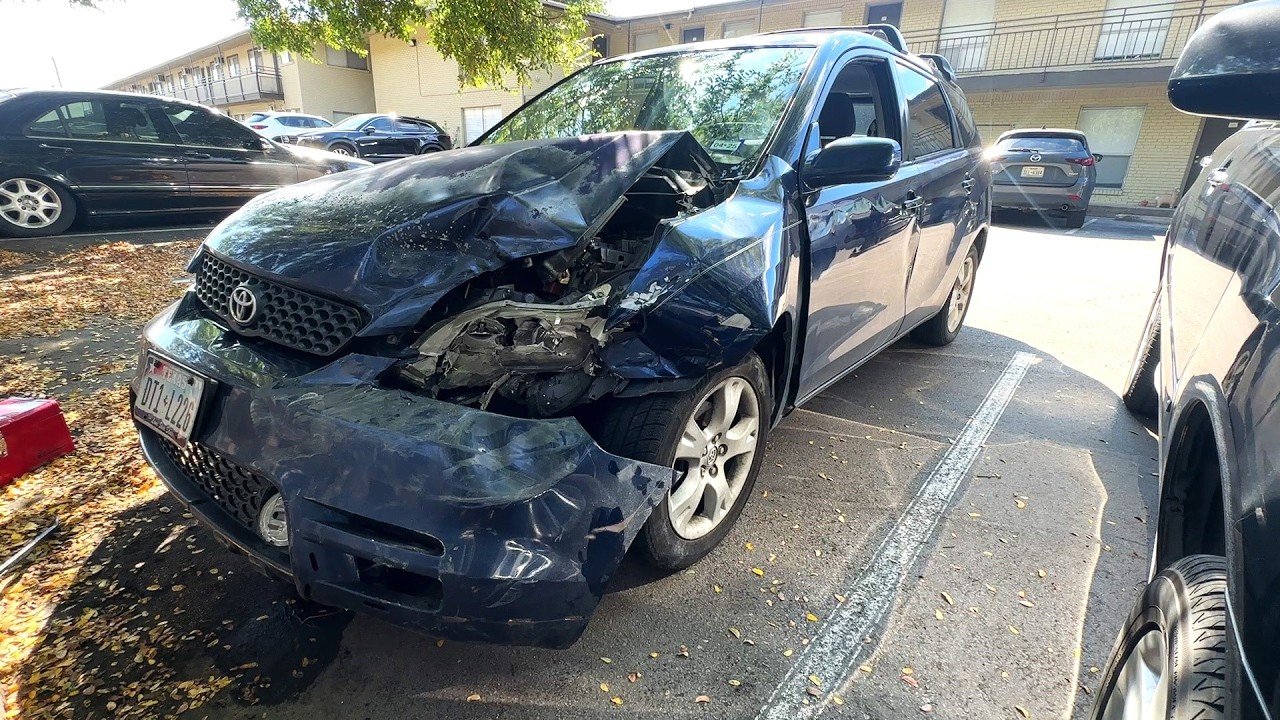
If you own a 2020 Toyota Corolla and have been involved in a front-end collision, your first thought might be, 'It is just a bumper.' The car might still start, the engine might sound fine, and the damage may look like a simple cosmetic fix.
However, beneath the plastic 'skin' of a modern Corolla lies a tightly packed assembly of mechanical components and sensitive electronics. Because the front bumper cover is designed to flex and often pops back into its original shape after an impact, it can hide significant damage to your cooling system. Failing to identify this damage early can lead to engine failure, A/C system collapse, and safety sensor malfunctions.
Why Did My Initial Insurance Estimate Change?
One of the most common points of confusion for vehicle owners is why an initial insurance estimate of 1,200 dollars suddenly jumps to 4,500 dollars once the car is at the shop. The answer lies in the difference between a visual estimate and a teardown.
- The Visual Estimate: An insurance adjuster or shop writer often writes the first estimate based only on what they can see from the outside. On a 2020 Corolla, this usually includes the bumper cover, the grille, and perhaps a headlight.
- The Supplement: Once the shop removes the bumper, they often find the radiator support is pushed back or the A/C condenser is crushed. The shop then submits a supplement—a request for additional funds to cover the damage that was hidden from view.
The Cooling Package: What is Behind the Grille?
The 2020 Corolla utilizes a 'cooling package' that sits inches behind the front bumper. In a collision, these components are often damaged in a sandwich effect, where the outer layers are pushed into the inner layers.
1. The A/C Condenser
This is the first component in line. It is a thin, mesh-like radiator that cools the refrigerant for your air conditioning. Because it is made of lightweight aluminum, even a low-speed impact can bend the fins or cause a hairline fracture. If this is not caught, your A/C may work for a week and then fail as the refrigerant slowly leaks out.
2. The Radiator
Located directly behind the condenser, the radiator holds the engine coolant. In a 2020 Corolla, the radiator tanks are often made of plastic. A sharp jar can crack these tanks or the mounting tabs. If a cracked radiator goes unnoticed, your engine can overheat, leading to catastrophic internal damage that insurance may not cover if they deem it secondary damage caused by driving a compromised vehicle.
3. Cooling Fans and Shroud
Behind the radiator are the electric cooling fans. If the front-end structure is pushed back even an inch, the fan shroud can be pressed against the fan blades. If the blades are nicked or the shroud is warped, the fan can bind or fail when the engine gets hot, leading to a breakdown.
4. The Radiator Support
This is the framework that holds everything together. On the 2020 Corolla, this structure is designed to be lightweight. If it is even slightly misaligned, your hood will not latch properly, your headlights will be aimed incorrectly, and your safety sensors will be off-center.

The Hidden Cost: ADAS and Calibration
Modern Corollas are equipped with Toyota Safety Sense (TSS). This system often uses a radar sensor located behind the Toyota emblem or the front bumper. When a front-end collision occurs, the brackets holding the radar can be bent.
Even if the hardware is not broken, if the radiator support is shifted, the sensor's field of vision is altered. This requires specialized diagnostic equipment and labor for recalibration, which can add hundreds of dollars to a simple bumper claim. If the shop does not perform these digital checks, your automatic braking and adaptive cruise control may not function as intended.
Does Insurance Cover These Mechanical Repairs?
In short: Yes, if they are a direct result of the loss. However, the burden of proof is often on the repair facility to document that the damage is fresh and related to the accident rather than old wear and tear.
OEM vs. Aftermarket Parts
This is a frequent point of contention. Your policy may allow the insurance company to pay for Like Kind and Quality (LKQ) or aftermarket radiators and condensers. While aftermarket parts are cheaper, fitment tolerances on the 2020 Corolla are very tight. An aftermarket radiator that is slightly thicker than the original Toyota part may cause the cooling fans to rub against other components. Review your policy for an OEM Parts Endorsement; if you do not have it, you may have to pay the price difference if you insist on original Toyota parts.

Practical Steps for the Vehicle Owner
If you are researching repairs before authorizing work, follow these steps to ensure your vehicle is repaired correctly:
- Demand a Pressure Test: Ask the shop to perform a cooling system pressure test and an A/C leak test. Do not assume the systems are fine just because the car is not leaking on your driveway yet.
- Ask About the Radiator Support: Specifically ask if the support was measured. If the support is tweaked, the rest of the cooling package will never sit correctly.
- Confirm Diagnostic Scans: Ensure the shop performs a Pre-Repair Scan and a Post-Repair Scan. This identifies fault codes in the cooling fan circuits or the radar sensors that are not visible to the naked eye.
- Review the Supplement: If the shop finds hidden damage, ask them to show you the bent or leaking components. A reputable shop will have photos of the damage behind the bumper to justify the supplement to the insurance company.
Summary: Do Not Judge a Repair by the Bumper
A 2020 Toyota Corolla is a sophisticated machine. What looks like a minor scrape on a plastic bumper often involves a complex web of aluminum heat exchangers, plastic shrouds, and electronic sensors. By ensuring your shop performs a full teardown and system evaluation, you protect both the longevity of your engine and the validity of your insurance claim.
Note: Insurance policies and state laws vary. Always consult your policy documents and a qualified collision professional regarding your specific claim.



No Comments Yet
Be the first to comment on this article.