Curtis.Castiglione@ROzebra.com

2020 Toyota Camry Front-Corner Collision Repair Guide
To the average driver, a front-corner collision on a 2020 Toyota Camry often looks like a minor inconvenience—perhaps a scuffed plastic bumper and a slightly misaligned fender. However, in the modern repair environment, what you see on the surface is rarely the full story.
The 2020 Camry is a sophisticated machine that integrates high-strength structural steel with sensitive Advanced Driver Assistance Systems (ADAS). When these two worlds collide, the repair process becomes a blend of heavy metalwork and high-tech computer calibration.
Why did my 2020 Toyota Camry repair estimate increase after the bumper was removed?
The most common question owners ask is why the final cost is so much higher than the initial insurance estimate. This happens because of hidden damage. When an insurance adjuster writes a preliminary estimate in a driveway or a parking lot, they can only see the exterior skin of the vehicle. On a 2020 Camry, the front bumper cover is a flexible plastic piece designed to pop back into shape, often hiding the crushed components underneath.
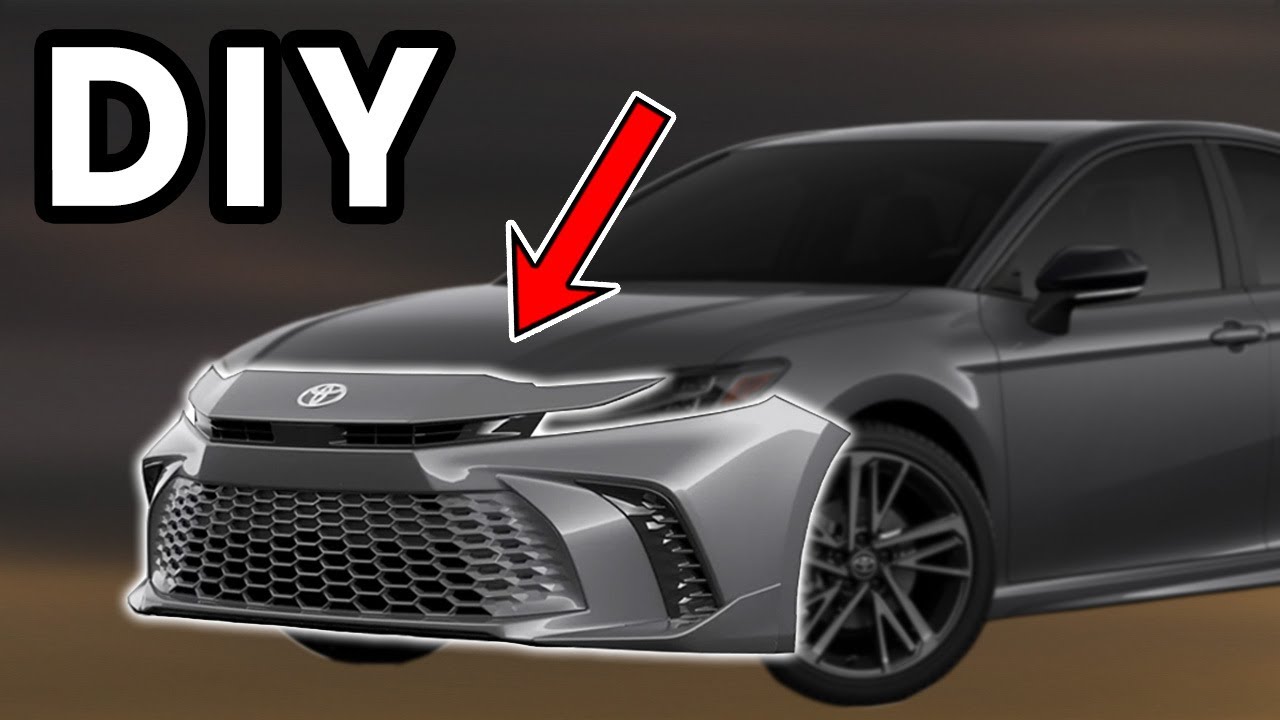
Once the repair facility performs a teardown—which involves removing the bumper cover—they often find that the bumper reinforcement (the actual metal bar) is pushed in, the foam energy absorber is cracked, or the plastic brackets that hold the bumper to the fender are snapped. These are separate line items on an estimate. The repair facility must then submit a supplement to the insurance company. A supplement is a request for additional funds to cover the damage found after the vehicle was disassembled.
The Critical Role of Radar and ADAS Calibration
The 2020 Toyota Camry is equipped with Toyota Safety Sense, which includes a millimeter-wave radar sensor located behind the front emblem or within the lower bumper area. Even if the collision was low speed, the force can jar the radar sensor or bend its mounting bracket.

In the world of collision repair, if a sensor mount is disturbed, the system must be calibrated. This is not a simple mechanical fix; it is a digital one. A technician must use specialized diagnostic tools and targets to ensure the radar is looking exactly where it should. If the radar is off by even a fraction of a degree, the car’s automatic emergency braking or adaptive cruise control may fail to activate or, worse, activate when there is no hazard.
Insurance policies typically cover these diagnostic and calibration steps, but they are often listed separately from bodywork labor. Vehicle owners should ensure the estimate specifically identifies Post-Repair Scanning and ADAS Calibration to guarantee the safety systems are functional.
Fender and Structure: More Than Just Cosmetics
The front fender on a Camry does more than just look good; it serves as a mounting point for the headlight and the inner wheel liner. During a corner impact, the fender flange—the metal lip where the bumper attaches—often becomes distorted. If this flange is not perfectly aligned, the gaps between the panels will be uneven, leading to wind noise or panel flutter at high speeds.
Furthermore, the inner fender liner is held in by specific plastic clips that are designed to break upon impact to absorb energy. If a shop uses universal clips instead of OEM-specific fasteners, the liner may rub against the tire during sharp turns.
OEM Versus Aftermarket Parts
When reviewing your estimate, you may see terms like Aftermarket, CAPA Certified, or Recycled. Most insurance policies allow for the use of non-OEM (Original Equipment Manufacturer) parts to keep costs down, depending on the age of the vehicle and the specific policy language.
However, for a 2020 Camry, many experts recommend OEM parts for components like the bumper reinforcement and radar brackets. This is because high-strength steel and specific sensor-mounting tolerances are difficult for aftermarket manufacturers to replicate perfectly. If there is a disagreement between the shop and the insurer regarding part types, the owner should review their policy’s parts language or consider paying the price difference to upgrade to OEM parts if the policy doesn't cover them.
What should I do if I have a front-corner impact?
If you are involved in a front-corner collision with your Camry, follow these steps to ensure a proper repair:
- Request a Teardown: Do not assume the initial estimate is accurate. Ask the repair shop to remove the bumper and inspect the radar mounts and reinforcement bar before parts are ordered.
- Verify Calibration: Ask the shop for a Calibration Report. This document proves that the vehicle’s computer system was tested and that the radar is communicating correctly with the rest of the car.
- Inspect the Fender Liner: After the repair, turn your steering wheel all the way to the left and right. Listen for rubbing sounds, which indicate the inner liner or fender structure was not properly addressed.
- Document the Supplement: Keep a copy of the supplemental estimate. This documentation is vital if you ever choose to file a Diminished Value claim, as it proves the extent of the structural and electronic repairs performed.
Automotive technology has turned the fender bender into a sophisticated technical repair. By understanding that the bumper is a system—not just a piece of plastic—owners can better navigate the insurance claim process and ensure their Camry is returned to a safe, pre-accident condition. Regardless of what the insurance company initially offers, the priority must always be the restoration of the vehicle’s structural integrity and electronic safety arrays.



No Comments Yet
Be the first to comment on this article.