Curtis.Castiglione@ROzebra.com
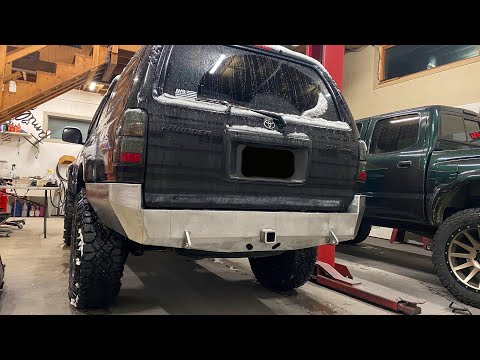
2020 Toyota 4Runner Rear Collision & Frame Damage Guide
If you drive a 2020 Toyota 4Runner and have been involved in a rear-end collision, the damage may initially look like a simple bumper scuff. However, because the 4Runner is a body-on-frame SUV, even a low-speed impact can lead to a high-cost repair that catches both owners and insurance adjusters off guard.
Understanding the relationship between the 4Runner structural design, the trailer hitch, and modern safety technology is vital to ensuring your vehicle is returned to its pre-accident condition safely and correctly.
Why Your Estimate May Change After the Teardown
The most common question owners ask is why an initial estimate for 1,500 dollars suddenly jumps to 5,000 dollars or more once the vehicle is at the shop. This is almost always due to the supplement process.
When an insurance company provides an initial estimate, they are often working from photographs or a quick visual inspection. On a 4Runner, the plastic bumper cover is designed to flex and pop back into shape. What lies beneath—the bumper reinforcement, the mounting brackets, and the vehicle frame—does not always spring back.
When a repair facility begins the teardown (disassembling the damaged area), they remove the outer plastic to inspect the structural components. If they find bent metal, cracked sensors, or a damaged frame rail, they submit a supplement to the insurance company. This is a formal request for additional funds to cover newly discovered damage. This is not necessarily a mistake by the insurance adjuster; it is a standard part of the collision repair workflow where hidden damage is confirmed through physical disassembly.

The Role of the Trailer Hitch: A Direct Path to the Frame
A trailer hitch is a double-edged sword in a collision. While it feels like a solid piece of armor, it is bolted directly to the frame of the 4Runner. In a rear-end collision, the hitch acts as a direct conduit for energy.
How Hitches Bypass Crush Zones
Instead of the bumper assembly absorbing the impact through its designed crush zones, the force is transferred directly into the frame rails. This can result in two specific types of structural damage:
- Frame Sway: The rear section of the frame is pushed to the left or right, taking the vehicle out of alignment.
- Frame Diamond: One side of the frame is pushed forward or backward in relation to the other, pulling the entire chassis out of square.
If you were hit while a trailer was attached, or if the impact was centered on the hitch, you should insist that the shop measures the frame using a three-dimensional electronic measuring system. You can ask for a printout of the frame measurements to verify the structure is within Toyota factory specifications.
Hidden Technology and ADAS Calibrations
The 2020 4Runner is more than just steel and plastic; it is a rolling computer. The rear bumper area houses critical Advanced Driver Assistance Systems (ADAS), including Blind Spot Monitoring (BSM) sensors and Rear Cross-Traffic Alert (RCTA) systems.
Even if the sensors themselves are not cracked, the metal brackets holding them can be bent by just a few millimeters. If these sensors are misaligned, the safety systems will not function correctly or may fail to see a vehicle in your blind spot.
A professional repair must include a pre-scan and post-scan of the vehicle computer system. Furthermore, if the bumper is removed or the frame is adjusted, Toyota often requires a calibration of these systems. This requires specialized targets and software, adding labor costs that are rarely included in a preliminary photo-based insurance estimate.
Does Insurance Cover Frame Damage on a 4Runner?
Insurance policies generally cover the cost to repair a vehicle to its pre-loss condition, provided the costs do not exceed the vehicle total loss threshold (which varies by state and policy).
However, how those repairs are handled depends on your specific policy and state regulations:
- Parts Selection: Some policies allow for the use of Original Equipment Manufacturer (OEM) parts, while others may specify recycled (used) or aftermarket parts.
- Repair Protocols: Because the 4Runner uses high-strength steel (HSS), the repair facility must follow specific Toyota repair manuals. For example, improperly heating a frame rail to straighten it can ruin the integrity of the steel, making the vehicle unsafe in a future accident.
What to Do if There is a Disagreement Over the Repair
If your insurance company and the repair shop disagree on the cost or method of repair, you may feel caught in the middle. It is important to remember:
- The insurance policy is a contract between you and the insurer.
- The repair authorization is a contract between you and the shop.
You have the right to choose your repair facility in most states. If the shop insists that a procedure is necessary for safety—such as a frame setup or a specific calibration—and the insurance company refuses to pay, ask the shop to provide the Toyota OEM repair procedure documentation. This technical data is the best tool for proving that a repair is a requirement, not an elective choice.
Practical Steps for 4Runner Owners
If your 4Runner has been hit in the rear, follow these steps to ensure a safe repair:
- Check the Gaps: Look at the gaps between the rear bumper and the body panels. If the gaps are uneven or the bumper looks tucked on one side, it is a sign of structural movement.
- Request a Full Teardown: Ask the shop to disassemble the rear end before they order parts. This minimizes the time your vehicle sits in the shop waiting for supplement approvals.
- Demand a Four-Wheel Alignment: Rear-end impacts on truck-based vehicles can shift the rear axle or affect the thrust angle, leading to uneven tire wear and poor handling.
- Inquire About Diminished Value: Even if a 4Runner is repaired perfectly, a structural damage entry on a vehicle history report can lower its resale value. Depending on your state and who was at fault, you may be able to file a Diminished Value claim to recover this lost equity.
Repairing a 2020 Toyota 4Runner correctly requires looking far beyond the paint. By understanding that the hitch is a structural member and that electronic calibrations are as vital as bodywork, you can ensure your SUV remains safe and holds its value for years to come.
Disclaimer: Insurance policies and state laws vary significantly. Review your specific policy and consult with your insurance company and a qualified collision professional regarding your claim.



No Comments Yet
Be the first to comment on this article.