Curtis.Castiglione@ROzebra.com

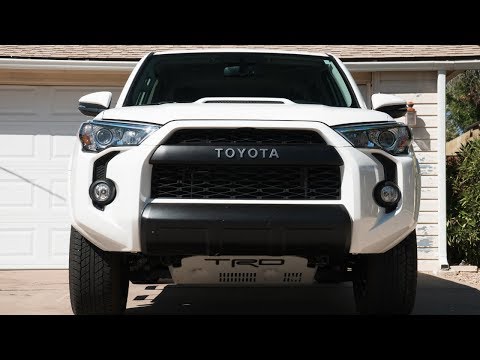
2020 Toyota 4Runner Front-End Collision and Hidden Damage
When a 2020 Toyota 4Runner is involved in a front-end collision, the damage visible to the naked eye is often just a small fraction of the total repair cost. While a cracked grille or a scuffed bumper cover might look like a simple cosmetic fix, these components serve as a protective shell for a complex assembly of heat exchangers and mechanical systems.
As a vehicle owner, understanding how these components interact is vital for navigating the insurance claim and repair process. If you assume the damage stops at the plastic bumper, you may be left with a vehicle that overheats or suffers a transmission failure months after the repairs are finished.
What is Hiding Behind My 4Runner's Grille?
Modern vehicles like the 4Runner utilize what technicians call a "cooling stack." This is a series of heat exchangers layered closely together to maximize airflow. When a technician removes the front bumper and grille, they are looking for damage to three primary units:
- The A/C Condenser: Usually the first line of defense behind the grille. It cools the refrigerant for your cabin air conditioning.
- The Transmission Cooler: Often a small, dedicated radiator that prevents your gearbox from overheating.
- The Radiator: The large unit responsible for keeping the engine at a safe operating temperature.
- Support Structures: This includes the radiator support (or core support), mounting brackets, and cooling fan shrouds.
A heat exchanger can be bent or displaced without immediately producing an obvious puddle on your driveway. Even if the impact did not puncture a fluid line, the force can compromise the structural integrity of the aluminum fins or plastic tanks. Over time, engine vibrations can cause these stressed areas to crack, leading to sudden coolant loss and potential engine damage.
Why Did My Initial Insurance Estimate Change After the Teardown?
It is common for an initial insurance estimate—often written in a driveway or via a photo-app—to be significantly lower than the final repair bill. This is because insurance adjusters generally only write for what they can see. They cannot legally or practically assume a transmission cooler is cracked if the bumper is still attached.
This leads to two critical phases of the repair:
- The Teardown: The shop removes the outer cosmetic layers (grille and bumper) to inspect the mechanical components and the radiator support.
- The Supplement: This is a request for additional funds and labor time sent to the insurer based on damage discovered during disassembly.
For a 4Runner owner, this is a critical stage. You want the shop to document the collision path—the physical evidence of how the impact traveled from the bumper through the reinforcement bar and into the cooling components. This documentation provides the insurer with a clear reason to pay for the additional mechanical repairs.

The Transmission Cooler: A High-Stakes Component
The transmission cooler is a particularly sensitive component in the 4Runner. If this unit is pinched or restricted by an impact, the transmission will operate at higher temperatures. This won't necessarily trigger a dashboard light immediately, but it will significantly shorten the lifespan of the gearbox.
Insurance should cover the replacement of a damaged cooler, but only if the shop can demonstrate it was affected by the accident. A qualified technician will look for "witness marks"—small indentations or transfers of paint and plastic—that prove the cooler was struck or displaced during the collision.
Modern Tech and ADAS Considerations
The 2020 Toyota 4Runner is equipped with Toyota Safety Sense (TSS). These systems rely on radar sensors often located behind the front emblem or grille area.
A front-end impact that reaches the radiator and condenser almost certainly affects these sensors. Even if the sensors themselves aren't shattered, consider the following:
- The brackets holding them may be slightly out of alignment.
- If the radiator support is replaced or pulled back into place, the sensor's field of vision changes.
- Calibration is mandatory: After mechanical repairs to the front end, these safety systems usually require a post-repair scan and calibration to ensure the Pre-Collision System and Dynamic Radar Cruise Control function correctly.
Does Insurance Cover These Mechanical Repairs?
Generally, if you have a collision policy, your insurance company pays for hidden mechanical damage resulting from the accident, minus your deductible. However, there is a distinction between accident damage and wear and tear.

If a shop discovers a leak caused by a collision-related dent, it is covered. If they discover a leak caused by old age, corrosion, or a seeping radiator tank that was there before the crash, the insurer may deny that portion of the claim. This is why having a shop that takes clear photos of the damage in its original position before parts are removed is vital for your claim.
What Should I Do If I Suspect Hidden Damage?
If you are involved in a front-end collision, do not assume the vehicle is fine just because it isn't bleeding fluid. To protect your vehicle's value and your safety, ask your repair facility the following questions:
- Was a full teardown performed to inspect the radiator, condenser, and transmission cooler?
- Were the radiator mounting brackets checked for cracks or displacement?
- Did the impact reach the cooling fans or the wiring harnesses behind the stack?
- Will the ADAS sensors require recalibration after the mechanical repairs are finished?
- Can I see the photos of the damage that were sent to the insurance company for the supplement?
The Bottom Line: The grille is only the outer layer of the 4Runner's front-end system. Proper repair verification requires testing the cooling fans, monitoring operating temperatures, and pressure-testing the A/C system. Always consult with your repair facility and review your specific insurance policy to understand your coverage limits and responsibilities.



No Comments Yet
Be the first to comment on this article.