Curtis.Castiglione@ROzebra.com

2020 Subaru Outback Windshield Calibration and Insurance Guide
By Curtis Castiglione
If you own a 2020 Subaru Outback and have recently been in a collision or experienced a cracked windshield, you might be surprised by the final repair bill. What used to be a simple, hour-long glass replacement now often includes several hundred dollars for something called camera calibration.
To many vehicle owners, a windshield is just a piece of glass designed to keep the wind and rain out. To a modern automotive technician, however, that glass is a critical structural and optical component of the Subaru EyeSight driver-assistance system.
The Core Problem: Why the Glass Is Not Just Glass
The 2020 Subaru Outback utilizes a dual-camera system mounted behind the rearview mirror. These cameras act as the eyes for the vehicle's Advanced Driver Assistance Systems (ADAS), including:
- Pre-Collision Braking
- Adaptive Cruise Control
- Lane Keep Assist
- Sway Warning
These cameras are engineered to look through the windshield at a very specific angle and through a specific level of optical clarity. When a windshield is replaced, the new glass may have microscopic differences in thickness, curvature, or clarity. Furthermore, even a fraction of a millimeter of variance in how the glass is seated in the urethane adhesive can change the camera field of vision.
If the cameras are off by even a tiny margin, the vehicle's computer receives inaccurate data. This could result in the car braking too late for an obstacle or failing to detect a lane departure. Calibration is the diagnostic process of teaching the cameras exactly how they are positioned relative to the new glass and the road surface.
Does Insurance Cover the Cost of Calibration?
The most common question owners ask is: Will my insurance company pay for this?
Generally, if the windshield replacement is part of a covered loss—such as a collision or a comprehensive claim for a rock chip—the necessary operations to return the vehicle to its pre-accident safety condition are typically included. However, the process is rarely seamless.
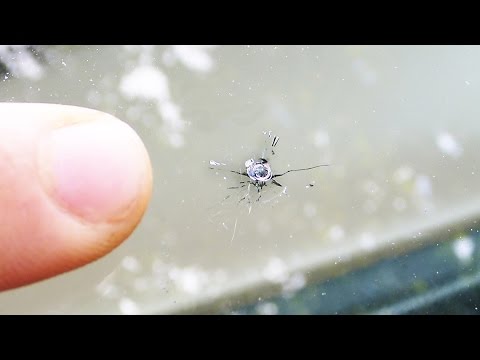
Why Insurance Estimates Often Miss Calibration
Insurance adjusters often write an initial field estimate based on the visible damage. This estimate usually focuses on the glass and the labor to install it. Because calibration requires specialized diagnostic tools and a specific laboratory-like environment, adjusters may omit it initially if they are unaware of the vehicle's specific tech package.
In these cases, your repair facility must submit a supplement. This is a request for additional funds to cover the electronic work required by the manufacturer. As the owner, you should ensure your shop provides the insurance company with Subaru’s official Position Statement regarding EyeSight calibration to avoid out-of-pocket costs.
The OEM vs. Aftermarket Glass Debate
One of the most frequent points of contention between insurance companies and repair shops is the use of Original Equipment Manufacturer (OEM) glass versus aftermarket (often called Like Kind and Quality or LKQ) glass.
- Subaru's Stance: Subaru strongly recommends OEM glass for EyeSight-equipped vehicles because aftermarket glass may not meet the exact optical specifications required for the cameras to function reliably.
- The Insurance Stance: Many standard policies only pay for aftermarket parts unless the vehicle is very new or you have a specific OEM Parts Endorsement.
The Practical Risk: If your shop installs aftermarket glass and the EyeSight system fails to calibrate because of the glass quality, the insurance company may refuse to pay for a second glass replacement. Always check your policy and discuss the risks of non-OEM glass with your technician before the work begins.
Why Did My Estimate Change After the Teardown?
It is common for the cost of a repair to increase once the vehicle is in the shop. A windshield replacement on a 2020 Outback can uncover hidden requirements:
- Wheel Alignment: ADAS systems rely on the vehicle's thrust angle (the direction the rear wheels are pointing). If your car is slightly out of alignment due to a pothole or the collision itself, the cameras cannot be properly calibrated.
- Diagnostic Scans: A technician must perform a Pre-Scan to see if there are existing faults in the system and a Post-Scan to ensure the new calibration is communicating correctly with the car's computer.
- Bracket Damage: During a collision, the mounting brackets for the cameras can be jarred. Even if the cameras look fine, the hardware holding them may need adjustment or replacement.

What Should I Do If My Insurance Company Refuses to Pay?
If your insurer questions the necessity of calibration, do not authorize the shop to skip it to save money. This creates a significant safety liability.
- Ask for Documentation: Request the manufacturer's procedures from your repair shop. Subaru provides specific technical documentation stating that calibration is mandatory following a windshield replacement.
- Safety First: Remind the adjuster that an uncalibrated system may behave unpredictably.
- Check State Laws: Some states have specific regulations regarding the restoration of safety systems to manufacturer specifications.
What Happens If I Skip Calibration?
Skipping calibration is not just a technical oversight; it is a safety risk. Two things usually happen:
- System Error: The EyeSight system may detect a fault and disable itself, leaving you with a dashboard full of warning lights and no driver-assistance features.
- Incorrect Operation: More dangerously, the system may seem to work but react incorrectly—applying the brakes when there is no danger or failing to react during a true emergency.
Pro Tip: When you pick up your vehicle, ask for a Calibration Report. This is a printed document proving the cameras were successfully aimed and the system is functional.
Practical Steps for the Vehicle Owner
- Identify Your Tech: Look at your rearview mirror from the outside. If you see two camera lenses, you have EyeSight.
- Notify Your Insurer Early: When filing your claim, explicitly state: This vehicle has the EyeSight camera system and will require electronic calibration.
- Choose the Right Shop: Ask the facility if they perform calibrations in-house or if they sublet the work to a dealership. This will help you understand the repair timeline.
- Review Your Policy: Understand your responsibilities regarding deductibles and part types (OEM vs. Aftermarket) before you sign the repair authorization.
Disclaimer: Insurance policies and state laws regarding glass replacement and ADAS calibration vary significantly. Always consult your specific policy documents and work with a qualified automotive professional to understand the requirements for your vehicle.



No Comments Yet
Be the first to comment on this article.