Curtis.Castiglione@ROzebra.com

2020 Subaru Forester Rear-End Collision Repair Guide
By Curtis Castiglione
If you own a 2020 Subaru Forester and have been involved in a rear-end collision, your first thought might be, "It’s just a bumper." However, modern SUVs like the Forester are no longer just a collection of metal panels and plastic covers; they are highly integrated electronic ecosystems.
Even a low-speed impact can trigger a domino effect of damage to the liftgate latch, rear-view camera, and the complex wiring harnesses that support the vehicle's safety features. To ensure your vehicle is returned to its pre-accident condition, it is vital to understand what happens behind the scenes during the inspection and repair process.
Why did my initial insurance estimate change after the shop started working?
It is common—and often expected—for an initial insurance estimate to be significantly lower than the final repair bill. This discrepancy occurs because most insurance adjusters write a visual estimate based on what can be seen without disassembly.
On a 2020 Forester, the plastic bumper cover is designed to absorb energy and often "pops" back into its original shape after an impact. This hides the true damage underneath. Once the repair facility performs a teardown (removing the interior trim and the outer bumper), they often discover:
- Hidden Damage: A buckled rear body panel or a crushed bumper reinforcement bar.
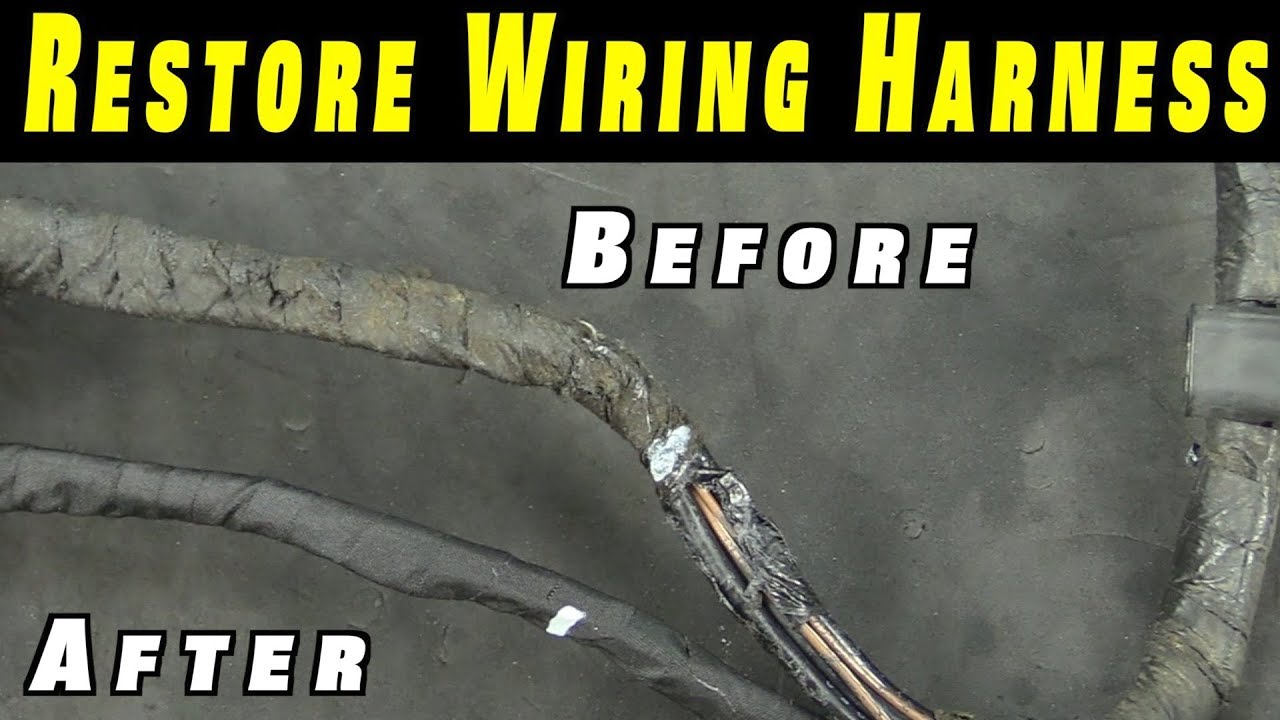
- Pinched Wiring: The wiring harness for the parking sensors or camera may be caught between the impact bar and the frame.
- The Supplement: When a shop finds this additional damage, they submit a "supplement" to the insurance company. This is a standard part of the claims process where the shop requests additional funds and labor hours for the damage discovered after the initial inspection.
Does a working liftgate mean there is no structural damage?
Many vehicle owners assume that if the liftgate opens and closes, everything is fine. This is a misconception. A 2020 Forester liftgate can still latch even if the rear body panel or the latch mounting points have shifted by several millimeters.

When inspecting your vehicle, look for:
- Uneven Gaps: Check the space between the liftgate and the quarter panels. Is it tighter on the left than the right?
- Closing Effort: Does it require more force to close than before?
- Seal Integrity: If the mounting points are not pulled back to factory specifications using a frame machine, the weatherstripping may not seal correctly. This can lead to moisture leaks and mold in your cargo area.
Why are the camera and wiring harness so expensive to fix?
The rear-view camera on a Forester is an integral part of the vehicle’s safety suite. Even if the camera still displays an image, the mounting bracket inside the liftgate may be cracked or bent.

- Alignment Matters: If the camera is misaligned by even a fraction of a degree, the perspective on your dashboard screen will be distorted, potentially creating blind spots.
- Electrical Sensitivity: Modern Subaru electrical systems operate on very specific voltage and resistance levels. In a collision, wires can be stretched or pinched. A partially damaged wire might not fail immediately, but it can cause "ghost codes" or intermittent failures of the parking sensors months later.
- Labor Costs: Repairing these harnesses often requires specialized labor to "de-pin" connectors. In many cases, Subaru recommends replacing the entire harness to ensure the integrity of the Advanced Driver Assistance Systems (ADAS).
Who pays for the calibration of my sensors and camera?
If your Forester is equipped with parking sensors or a rear-view camera, these components usually require calibration after they are removed or replaced. Calibration is an electronic procedure where the shop uses specialized software and targets to ensure the sensors are "seeing" the environment correctly.
Generally, insurance policies cover the cost of calibration because it is a manufacturer-required procedure to return the vehicle to pre-loss condition. However, you should ensure your repair facility performs a post-repair diagnostic scan. This report proves that all electronic systems are communicating correctly and that no safety faults remain in the vehicle's computer.
Can I choose the parts used for my repair?
The parts used—Original Equipment Manufacturer (OEM), recycled (LKQ), or aftermarket—are usually dictated by the language in your insurance policy.
- OEM Parts: These are made by Subaru and are engineered to manage crash energy specifically for the Forester.
- Aftermarket/Recycled: Many policies allow for "Like Kind and Quality" parts to save costs.
Because the 2020 Forester utilizes high-strength steel and specific crumple zones, using OEM structural parts is often the best way to ensure the vehicle performs correctly in a future accident. If your policy specifies aftermarket parts, you may have the option to pay the "price difference" out of pocket to upgrade to OEM components. Review your policy or consult your adjuster regarding an "OEM parts endorsement."
Summary Checklist: What to Ask the Shop
Before you authorize repairs or take delivery of your Subaru, ask the following questions to ensure a complete repair:
- Structural Integrity: "Did you perform a structural alignment check on the liftgate striker and latch mounting points?"
- Electrical Inspection: "Was the wiring harness inspected for pinched or stretched sections behind the bumper and inside the liftgate?"
- Safety Systems: "Were the camera and parking sensors calibrated and was a final diagnostic scan performed?"
- Documentation: "Can I have a copy of the diagnostic report showing that all ADAS systems are clear of fault codes?"
Insurance claims for high-tech vehicles are rarely simple. By understanding that a "simple bumper job" actually involves complex electronics and structural alignment, you can better advocate for a safe, thorough, and professional repair.



No Comments Yet
Be the first to comment on this article.