Curtis.Castiglione@ROzebra.com

2020 Ram 2500 Front-Wheel Collision Guide
If you drive a 2020 Ram 2500, you know it is a powerhouse designed for heavy towing and rugged utility. However, that same heavy-duty engineering means that when the front wheel takes a hit—whether from a collision with another vehicle or a significant impact with a curb—the damage is rarely "skin deep."
To the untrained eye, a front-wheel collision might look like a ruined tire and a scraped fender. In reality, the force required to damage a wheel on a three-quarter-ton truck is often enough to send a shockwave through the entire steering and suspension architecture.
By Curtis Castiglione
Why did my repair estimate change after the teardown?
It is common for a vehicle owner to receive an initial insurance estimate for $2,000 or $3,000, only to have the final bill reach $8,000 or more. This is not necessarily a sign of a dishonest repair shop; it is the reality of the insurance supplement process.
The initial estimate is typically a visual overview conducted by an adjuster. Once the truck is at the shop and the "teardown" begins, technicians find hidden damage that was not visible from the outside. In a Ram 2500, this often includes:
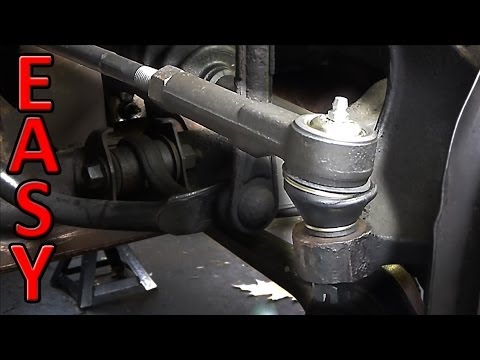
- Bent Steering Linkage: The drag link and tie rods are heavy steel, but they are designed to bend under extreme force to protect the steering gearbox from internal failure.
- Hub and Bearing Damage: A side impact can flat-spot the internal bearings in the hub, leading to a "growl" or vibration that only appears at highway speeds.
- Frame and Mounting Points: Because these trucks use a solid front axle (on 4WD models), an impact to one wheel can shift the entire axle assembly, potentially damaging the control arm mounting brackets on the frame.
The Diagnostic Process: More Than Just an Alignment
A common question owners ask is: "Why can't you just perform an alignment to fix the pull?"
An alignment is a diagnostic tool, not a repair for bent parts. If your truck is pulling to the right after a collision, an alignment rack will provide measurements showing that the geometry is out of specification. However, it will not tell the technician exactly which part is bent. The technician must then physically inspect the steering knuckles, control arms, and the axle housing itself.
Note for 4WD Owners: If your Ram 2500 is four-wheel drive, the front axle housing is a primary concern. Even a slight bend in the axle tube—invisible to the naked eye—can cause premature tire wear and internal damage to the differential and CV joints.

Does insurance cover mechanical damage to the axle and steering?
Generally, yes. If the mechanical damage is a direct result of the collision, it is covered under the collision portion of your policy, subject to your deductible. However, there are two important distinctions to understand:
- Wear and Tear vs. Collision Damage: If a technician finds your ball joints were already loose or your shocks were leaking due to high mileage before the accident, the insurance company may decline to pay for those specific parts.
- Betterment: If your truck has high mileage and the insurance company replaces your old, worn tires with brand-new ones, they may apply a "betterment" charge. This means you may be responsible for a percentage of the cost of the new parts because the repair has technically "improved" the vehicle beyond its pre-accident condition.
Modern Technology: Sensors and ADAS
The 2020 Ram 2500 is not just a collection of steel bars; it is a mobile computer. An impact to the front wheel can disrupt:
- The Steering Angle Sensor (SAS): This tells the truck’s computer where the wheels are pointing. If this is out of sync, your electronic stability control may malfunction.
- ABS and Wheel Speed Sensors: These are located right at the hub and are easily damaged by impact or debris.
- ADAS Calibrations: If your truck is equipped with Lane Keep Assist or Forward Collision Warning, replacing steering components often requires a "digital recalibration" using specialized scan tools to ensure the safety systems are reading the road correctly.

Parts Selection: OEM vs. Aftermarket and Recycled
Insurance policies often allow for "Like Kind and Quality" (LKQ) or aftermarket parts. For a heavy-duty truck like the Ram 2500, this can be a point of contention.
- Manufacturer Procedures: Ram often specifies "one-time-use" hardware. For example, the bolts holding the hub or certain suspension fasteners are designed to be torqued once and then discarded. If a shop reuses these to save money, it compromises the safety and longevity of your truck.
- Recycled Axles: While a used axle assembly can save money, its history is unknown. A reputable shop will ensure any recycled part is measured and tested for straightness before installation.
What should I do before authorizing repairs?
- Choose a Shop with Heavy-Duty Experience: Not every body shop is equipped to handle the heavy frames and solid-axle geometry of a Ram 2500.
- Request a Pre-Scan and Post-Scan: Ensure the shop performs a diagnostic scan of the vehicle’s computers before and after the repair to catch any hidden electronic faults.
- Review the Supplement: If the shop finds more damage, ask them to show you the bent parts or the alignment printout.
- Verify the Steering Center: When you pick up the truck, the steering wheel should be perfectly centered while driving straight. If it is cocked to one side, the alignment or the steering sensor calibration is incomplete.
Because insurance policies, state laws, and manufacturer recommendations vary, always consult your specific policy and work with a qualified collision professional. Documenting the damage through photos and diagnostic reports is your best defense against an incomplete or unsafe repair.



No Comments Yet
Be the first to comment on this article.