Curtis.Castiglione@ROzebra.com
2020 Nissan Rogue Side Impact Repair and Insurance Guide
By Curtis Castiglione
If your 2020 Nissan Rogue has been involved in a side-impact collision, you might initially see nothing more than a dented door and a scuffed rocker panel. To the untrained eye, it looks like a straightforward repair. However, modern SUVs like the Rogue are engineered with complex safety structures and sensitive electronic systems that are often compromised in ways that are not visible during a preliminary insurance inspection.
Understanding the relationship between the physical impact, the manufacturer’s repair requirements, and the insurance claim process is essential for ensuring your vehicle is returned to its pre-accident safety standards.
Why did my initial insurance estimate change after the car arrived at the shop?
It is common for an initial insurance estimate—often written in a driveway or via a photo-based mobile app—to be significantly lower than the final repair bill. This is because the first estimate usually only covers visible damage.
In a side impact, the insurance adjuster may see a damaged door shell, but they cannot see:
- Whether the internal intrusion beam (the steel safety bar inside the door) is bent.
- If the window regulator (the mechanism that moves the glass) has snapped.
- If the B-pillar—the vertical support between the front and rear doors—has shifted or buckled.
Once the repair facility performs a teardown, which involves removing the interior door panel and trim, they identify this hidden damage. This leads to a supplement, which is a formal request for additional funds sent to the insurance company to cover the actual cost of the necessary repairs.
The Structural Integrity of the B-Pillar and Rocker Panel
The 2020 Nissan Rogue utilizes high-strength steel in its structural reinforcements to protect occupants during a T-bone collision. If the impact was strong enough to crush the door, a professional technician must inspect the B-pillar and the rocker panel (the structure below the door).
Why Structural Precision Matters
- Door Fitment: Even a slight misalignment in the B-pillar can prevent a new door from sealing correctly, leading to wind noise, water leaks, or difficulty latching.
- Safety Performance: High-strength steel is designed to manage energy in a specific way. Unlike older vehicles, modern high-strength steel often cannot be straightened with heat or heavy pulling without weakening the metal.
- Manufacturer Procedures: Nissan provides specific repair procedures regarding whether these components can be repaired or if they must be replaced. If the shop ignores these, the vehicle may not perform as intended in a subsequent accident.
Mechanical Diagnosis: Why doesn't my window work?
A side impact often disrupts the window operation, even if the glass isn't shattered. The glass travels along tracks (runs) that must be perfectly aligned. If the door shell is even slightly distorted, the glass may bind, causing the motor to burn out or the regulator to fail.
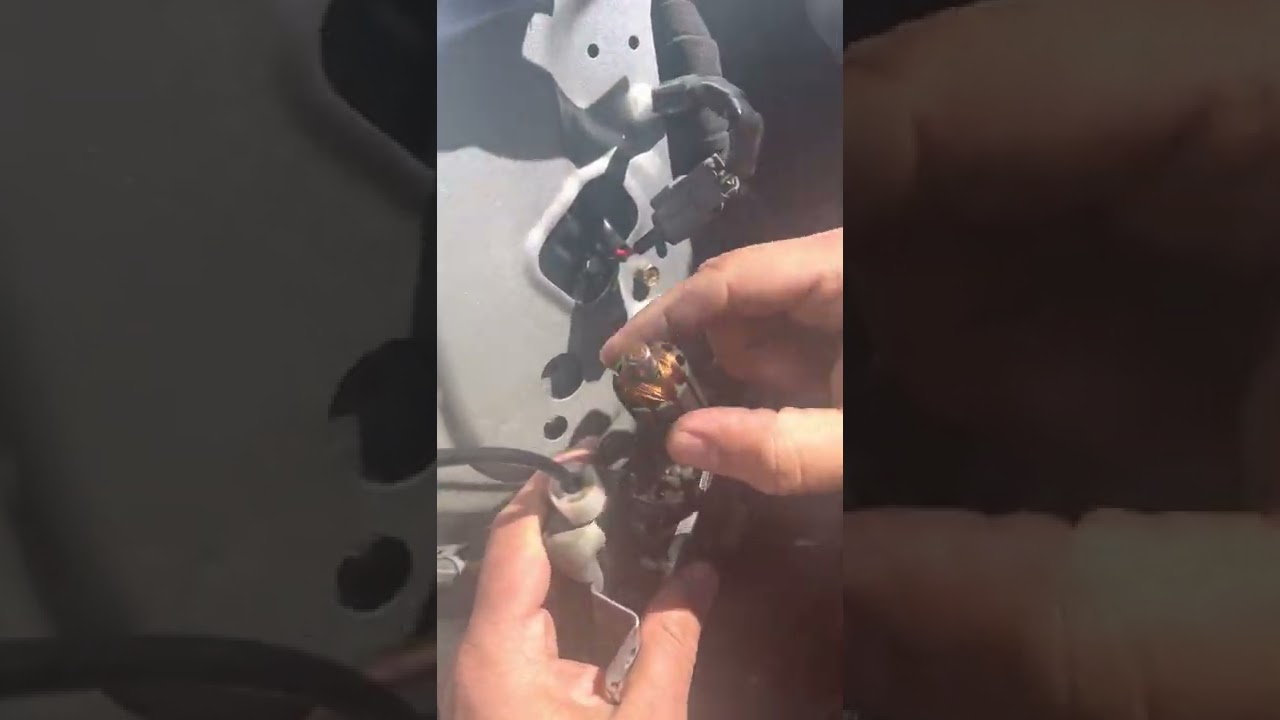
Furthermore, the 2020 Rogue is packed with electronics inside the door, including:
- Power lock actuators and window switches.
- Side-impact sensors (sometimes called heartbeat sensors) for airbag deployment.
- Wiring harnesses that can be pinched or severed by the intrusion beam.
If a wire is pinched or a sensor is jarred, it can trigger a dashboard warning light. A shop must perform a diagnostic scan to identify these codes. Insurance policies generally cover these mechanical failures if they can be directly linked to the accident, but the shop must document the failure to prove the connection.
Does insurance pay for a new Nissan door or a used one?
This is a frequent point of friction. Most insurance policies contain language allowing the use of Like Kind and Quality (LKQ) parts. This typically refers to recycled parts from a salvage yard or aftermarket parts made by a third party.
- Recycled (Used) Doors: While a recycled door is an original Nissan part, it must be inspected for previous repairs, rust, or transport damage.
- Technology Matching: If your Rogue is equipped with Blind Spot Warning (BSW) sensors or heated mirrors, the replacement door or its components must match those exact specifications.
- OEM Parts: Whether your insurance will pay the difference for a brand-new Original Equipment Manufacturer (OEM) door depends on your specific policy language and state regulations.
What should I do if I suspect structural damage?
If you feel the car handles differently or notice that the gaps between the door and the body (panel gaps) are uneven, you need to be proactive.
- Ask for the Blueprinting Report: Request a copy of the shop’s blueprinting report or the measurement data. Quality shops use electronic measuring systems to compare your Rogue's dimensions against factory specifications.
- Verify Diagnostic Scans: Ensure the shop performs a pre-repair scan and a post-repair scan. These digital health checks ensure that all safety systems, including the side airbags and sensors, are communicating correctly with the vehicle's computer.
- Check Functionality Before Pickup: Before accepting the vehicle, test every function. Roll the windows up and down, lock and unlock the doors, and check that the paint color matches in various lighting conditions.

The Bottom Line
The contract for repairs is between you and the repair shop, while the insurance company is responsible for paying for the covered losses. If there is a disagreement regarding repair methods—such as whether a B-pillar can be repaired or must be replaced—refer to the Nissan Manufacturer Repair Position Statements.
These documents are the final word on how the vehicle was built and how it must be fixed to remain safe. A side impact on a 2020 Nissan Rogue is rarely as simple as it looks; by insisting on a thorough teardown and following OEM procedures, you ensure your vehicle remains as safe as the day you bought it.
Note: Insurance policies and state laws vary. Always review your specific policy and consult with a qualified professional before authorizing major structural repairs.



No Comments Yet
Be the first to comment on this article.