Curtis.Castiglione@ROzebra.com
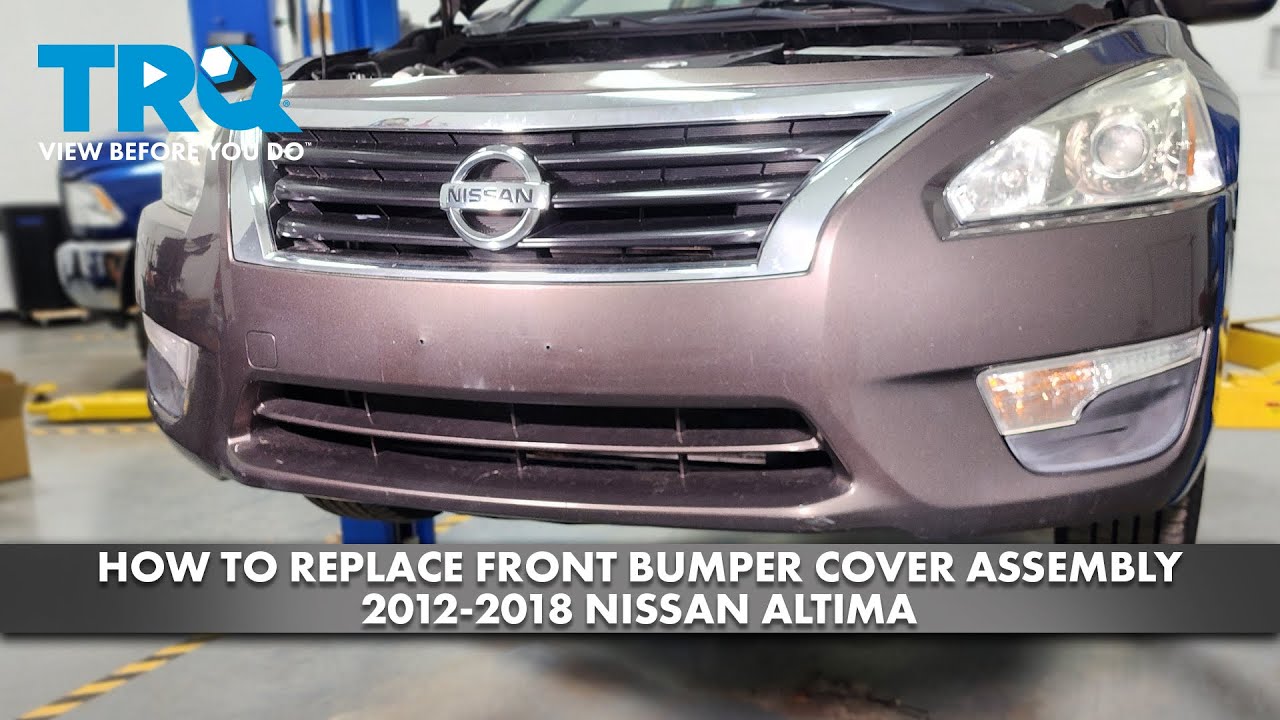
2020 Nissan Altima Front-End Collision: Repair & Insurance Guide
If you own a 2020 Nissan Altima and have recently been involved in a front-end collision, you might be surprised to find that your initial insurance estimate looks incredibly low—perhaps only covering a bumper repair and some paint. However, once the vehicle arrives at a body shop, that estimate can easily double or triple.
In the world of modern collision repair, the fender bender is a thing of the past. Behind the plastic bumper of your Altima lies a complex network of cooling components, structural supports, and sensitive safety electronics. Understanding the relationship between this hidden damage and your insurance claim is the best way to ensure your vehicle is returned to its pre-accident safety and performance levels.
Why the Initial Estimate is Often Low
The most common question vehicle owners ask is: Why is the shop asking the insurance company for thousands more than the original estimate?
The answer lies in the difference between a preliminary estimate and a full teardown. When an insurance adjuster looks at your Altima in a parking lot, they are writing a visible-only estimate. Because the Altima’s front bumper cover is made of flexible plastic, it often pops back into its original shape after an impact, hiding the crushed components behind it.

A professional repair facility will perform a teardown, removing the bumper cover and grille to inspect the underlying structure. Only then can they document the hidden damage that insurance companies require for a claim supplement—a revised estimate that covers the actual cost of repairs.
The Radiator Support: The Hidden Skeleton
The radiator support is a frame that holds your headlights, radiator, condenser, and hood latch in precise alignment. On a 2020 Nissan Altima, this component is often made of lightweight composites or thin, high-strength steel.
- The Problem: Even a low-speed impact can crack or distort this support. Because it serves as the mounting point for so many parts, a shift of just a few millimeters can cause crooked panel gaps between the hood and fenders.
- The Insurance Reality: Insurance companies usually won't pay to replace a radiator support based on a hunch. The shop must provide photos of cracks or use measuring systems to prove the support is out of specification. If your Altima feels off or the headlights seem misaligned after a repair, the radiator support may have been overlooked.
Cooling System Damage: Radiators and Condensers
Directly behind your Altima’s grille sit the A/C condenser and the engine radiator. These are made of paper-thin aluminum fins designed to dissipate heat.

An impact can frown these components (bending them into a curve) or crush the delicate fins. While the car might not leak fluid immediately, restricted airflow can lead to engine overheating or poor Air Conditioning performance months later. Insurance covers these items as mechanical damage resulting from a collision. It is vital to have the shop pressure-test the cooling system. If a leak is discovered after you have already signed off on the final repairs, it becomes significantly harder to prove the accident caused the damage.
The Safety Risk: Hood Latch Assembly
One of the most critical, yet overlooked, components in a front-end hit is the hood latch. The latch is bolted directly to the radiator support. If that support has moved, the latch may no longer engage the striker on the hood correctly.
If the latch isn't perfectly aligned, there is a risk of the hood flying open at highway speeds. A proper repair must verify draw-down—ensuring the latch pulls the hood tight against the rubber stops. If your insurance estimate doesn't mention inspecting or replacing the latch after a significant front-end hit, you should question the completeness of the repair.
The Technology Factor: ADAS and Calibration
The 2020 Nissan Altima is a smart car. Behind the Nissan emblem in the front grille sits a radar sensor used for Automatic Emergency Braking (AEB) and Intelligent Cruise Control.

This sensor is calibrated to a fraction of a degree. If the brackets holding it are bent—or if the radiator support it is attached to has shifted—the sensor will not see the road correctly. Nissan requires a Post-Repair Calibration whenever these sensors are removed or the front-end structure is repaired. This requires specialized software and targets. Insurance companies may initially omit this from an estimate, but it is a non-negotiable safety requirement. If your Front Radar Unavailable light is on, your car is not fixed.
OEM vs. Aftermarket Parts
Your insurance policy likely states they will pay for parts of like kind and quality (LKQ), which often means aftermarket or recycled parts rather than New Nissan (OEM) parts.
In front-end repairs, this is a major point of contention. Because the radiator support and hood latch are critical for the fitment of other parts, aftermarket versions often do not line up correctly. If a shop finds that an aftermarket part prevents the hood from latching safely or the headlights from fitting, they must document this to the insurer to justify the higher cost of an OEM part.
Practical Steps for Vehicle Owners
If your 2020 Nissan Altima is headed to the shop for front-end repairs, follow these steps to ensure a thorough repair:
- Demand a Teardown: Ask the shop for a Blueprinting or Teardown report before the insurance company finalizes the payment.
- Request a Diagnostic Scan: Ensure the shop performs a Pre-Repair Scan to identify any hidden faults in the radar or ADAS systems.
- Verify Calibration: Ask for the calibration report once the repairs are finished. This is your proof that the safety systems are actually working.
- Check the Hood Latch: Before driving away, open and close your hood several times. It should latch easily and feel tight when closed.
- Review the Supplement: Compare the final bill to the initial estimate. Ensure all supplemental items (like the A/C recharge or radiator support) were actually replaced.
A front-end collision on a modern Altima is a complex mechanical and electronic event. Don't settle for a cosmetic fix. Ensure your repair facility is looking past the bumper to the structural and safety components that keep you on the road.
Disclaimer: Insurance policy provisions and state laws vary. This article is for informational purposes and does not constitute legal or insurance advice. Always consult with your insurance carrier and a qualified collision professional regarding your specific claim.



No Comments Yet
Be the first to comment on this article.