Curtis.Castiglione@ROzebra.com
2020 Mazda MX-5 Miata Front-End Collision Repair Analysis
By Curtis Castiglione
If you have been involved in a front-end collision with a 2020 Mazda MX-5 Miata, you might be surprised when the initial insurance estimate of two or three thousand dollars quickly doubles or triples once the car reaches a body shop. This discrepancy isn't usually a sign of a dishonest shop or a lazy insurance adjuster. Rather, it is the result of how modern, specialized sports cars are built.
The Miata is a masterpiece of lightweight engineering, but that same engineering makes it a complex vehicle to restore to factory standards after an accident. Understanding the relationship between the visible damage and the mechanical reality of the vehicle is essential for any owner navigating the insurance claim process.
Why did my initial estimate change so much?
The primary reason an estimate changes is the teardown process. When an insurance adjuster inspects a car in a driveway or a parking lot, they are writing a "preliminary" estimate based only on what is visible from the outside. In many cases, these initial estimates are intentionally conservative because insurance companies prefer to pay for damage they can see rather than speculating on what might be broken underneath.
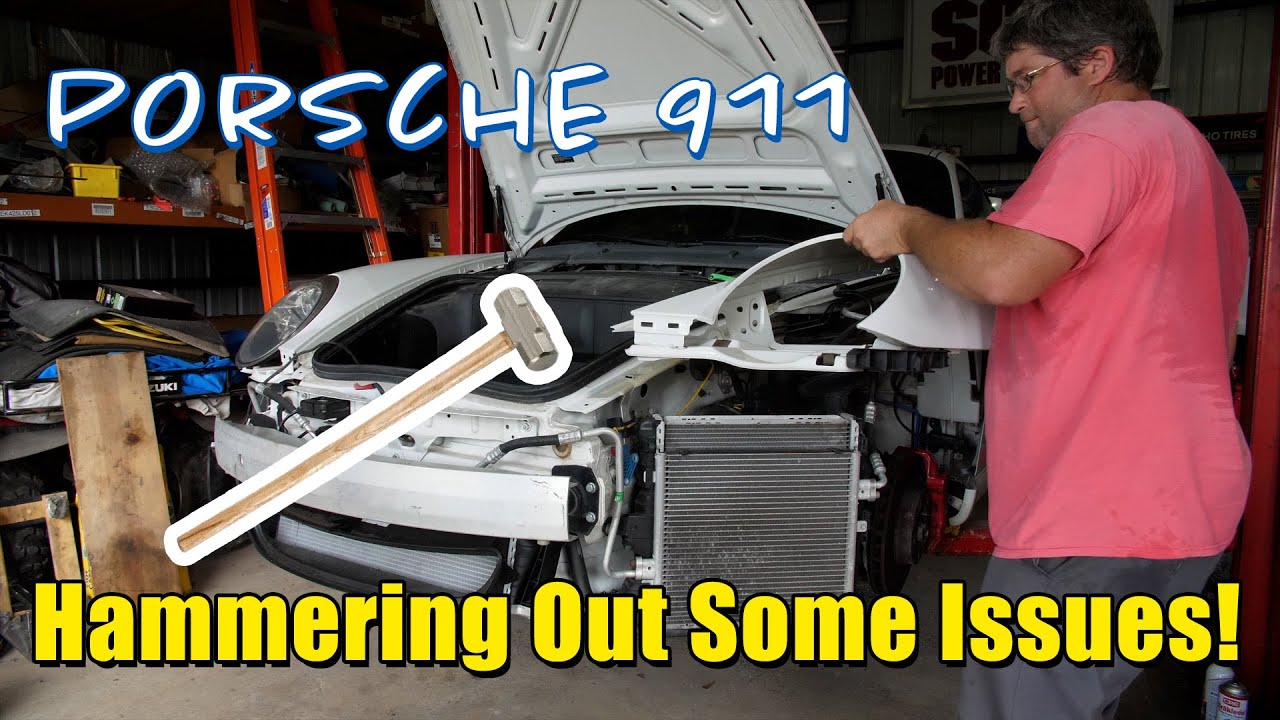
However, the 2020 Miata's exterior is designed to absorb and deflect energy. Once a technician removes the plastic bumper cover and trim, they often find hidden damage to the cooling system, electrical connectors, and structural reinforcements. This discovery leads to a "supplement," which is a request for additional funds sent to the insurance company to cover the newly discovered parts and labor.
The Aluminum Hood: Weight vs. Workability
One of the Miata's greatest performance assets is its aluminum hood. To an insurance company, a hood is just a panel; to a repair technician, the material changes everything.
- No Memory: Unlike traditional mild steel, aluminum does not have a "memory." When steel is dented, it can often be massaged back into shape. When aluminum is creased or stretched, it is much more difficult to reshape without compromising the metal's integrity.
- Contamination Risks: Aluminum requires specialized tools. If a shop uses a tool that has previously touched steel, steel dust can become embedded in the aluminum, leading to galvanic corrosion later.
- The Repair-vs-Replace Decision: Because of these factors, damage near the edges or sharp body lines of a Miata hood often results in a "replace-only" recommendation from the manufacturer. Replacing a lightweight aluminum panel is significantly more expensive than a few hours of labor to fix a steel one.
High-Tech Headlamps and Broken Mounting Tabs
Modern Miata headlamps are high-intensity LED assemblies. In a front-end impact, the lamp itself may still illuminate, but the plastic mounting tabs behind the bumper are frequently the first things to snap.

A damaged mounting point prevents the headlamp from being correctly aimed. If your car is equipped with Adaptive Front-lighting Systems (AFS), where the lights pivot with the steering wheel, the internal motors and sensors are highly sensitive to impact. While some "tab repair kits" exist, many shops and manufacturers insist on replacing the entire unit to ensure the light remains vibration-isolated and correctly aligned. A single LED headlamp assembly for a 2020 Miata can easily exceed 1,000 dollars in parts cost alone.
The Cooling Package and Tight Packaging
The Miata is designed with a very short front overhang to improve handling. This means there is almost zero "crush space" between the front bumper and the cooling system. Even a low-speed impact can create a chain reaction often referred to as a "cooling sandwich."
- The bumper pushes into the A/C condenser.
- The condenser is pushed into the radiator.
- The radiator is pushed into the cooling fan shroud.

During the inspection, a technician must look for hairline cracks in the plastic radiator tanks and bends in the condenser fins. This is categorized as mechanical damage resulting from a collision. If these issues aren't caught during the teardown, your engine could overheat weeks after you get the car back. Because the components are so tightly packaged, there is rarely a way to repair these parts; they almost always require replacement to ensure the engine's long-term health.
Does insurance cover OEM parts for my Miata?
A common point of friction during the repair process is the choice of parts. Insurance policies generally categorize parts into three groups:
- OEM (Original Equipment Manufacturer): Brand new parts from Mazda.
- LKQ (Like Kind and Quality): Recycled parts from a donor vehicle.
- Aftermarket: Parts made by a third-party company.
Many insurance policies allow the insurer to specify LKQ or aftermarket parts to save costs. However, because the Miata is a low-volume sports car, high-quality aftermarket body panels are often unavailable. Recycled parts for a newer 2020 model may also be difficult to find in pristine condition. You should review your policy and talk to your shop; if you insist on brand-new Mazda parts and your policy does not require them, you may be responsible for the price difference.
What should I do if I have a front-end claim?
If you are researching a repair for your 2020 Miata, follow these practical steps:
- Don't Budget Based on the First Estimate: Treat the first check from the insurance company as a "deposit." The final cost will not be known until the car is disassembled and a supplement is approved.
- Authorize a Professional Teardown: A shop cannot give you an accurate timeline or price until the damaged parts are off the vehicle.
- Request a Diagnostic Scan: The 2020 Miata is a computer on wheels. Even if no dashboard lights are on, there may be "soft codes" stored in the system regarding sensor misalignments or electrical interruptions caused by the impact.
- Check the Total Loss Threshold: If the total cost of repairs—including the supplements for the hood, lamps, and cooling system—reaches 60% to 80% of the car's actual cash value, the insurer may declare it a total loss.
The Miata's lightweight construction is what makes it a joy to drive, but it also makes it a precision instrument that requires a detailed, often expensive, repair process. Always consult with a repair professional who understands the specific needs of aluminum structures and ADAS (Advanced Driver Assistance Systems) to ensure your car is returned to its pre-accident safety and performance levels.


No Comments Yet
Be the first to comment on this article.