Curtis.Castiglione@ROzebra.com

2020 Kia Soul Rear-End Collision: Hidden Damage & Insurance Guide
By Curtis Castiglione
When a 2020 Kia Soul is involved in a rear-end collision, the damage often looks deceptively simple. Because the Soul features a signature vertical rear profile, an impact that appears to only affect the plastic bumper cover usually involves the liftgate, the rear body panel, and the sensitive electronics housed within the hatch.
As a repair professional, I frequently see owners surprised when a $500 initial insurance estimate transforms into a $4,000 repair once the vehicle is disassembled. Understanding the relationship between the impact, the vehicle structure, and the insurance claims process can help you ensure your vehicle is restored to factory safety standards.

Why is my initial insurance estimate so low?
It is common for an insurance company’s preliminary estimate to be significantly lower than the final repair bill. This usually happens because insurance appraisers typically write estimates based only on visible damage without taking the car apart.
On a 2020 Kia Soul, the plastic bumper cover is designed to be flexible. In a low-speed impact, the plastic may "pop" back into its original shape, hiding the crushed energy absorber and the bent metal reinforcement bar underneath. If the appraiser cannot see the underlying structure, they cannot include it in the initial payment.
The Supplement Process: Once you choose a repair facility, the shop will perform a teardown. They remove the bumper and hatch trim to document hidden damage. They then submit a supplement—a request for additional funds—to the insurance company. This is a standard part of the collision repair process and is why your final bill often exceeds the first check you receive.
The Rear Body Panel: The Skeleton of the Repair
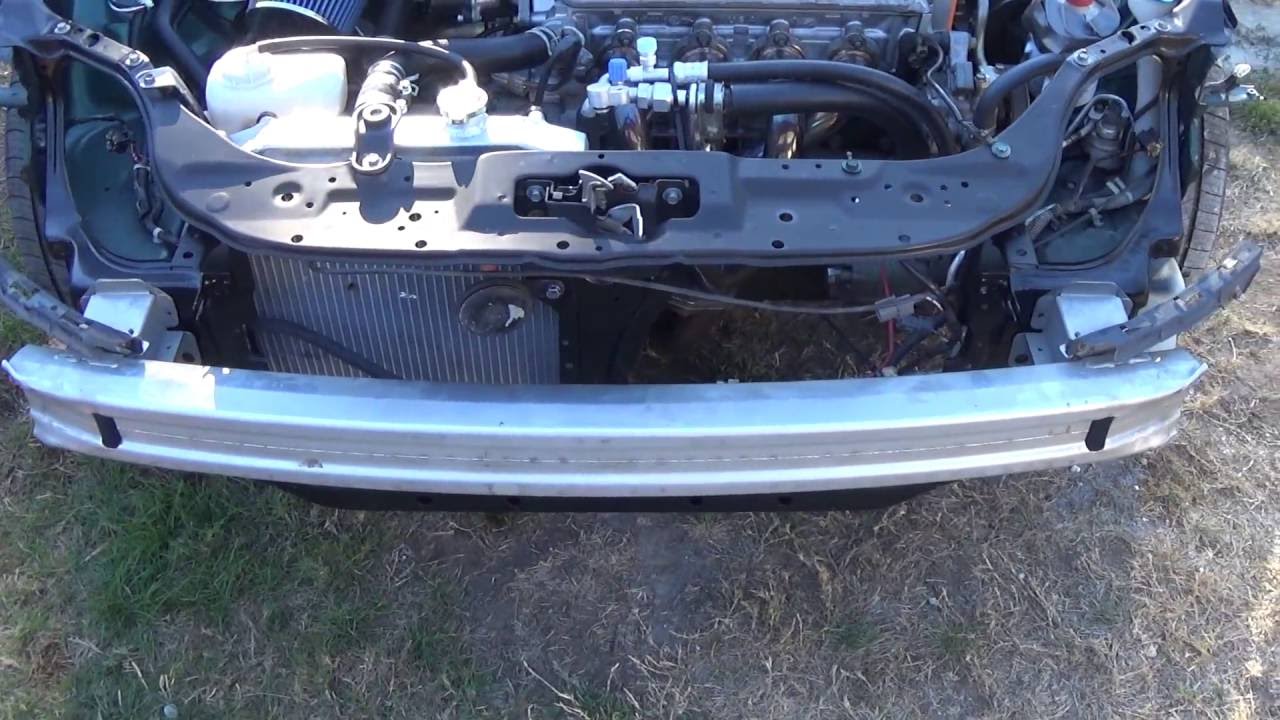
Behind the bumper of the Kia Soul sits the rear body panel. This is a structural component where the liftgate striker (the metal loop the hatch latches onto) is mounted.
Even a low-speed impact can push this panel forward by just a few millimeters. While the car might look fine from the outside, you may notice several issues:
- The hatch requires extra force to close.
- The "door ajar" light stays on.
- The backup camera guidance lines no longer appear centered.
If the rear body panel is deformed, it can cause the liftgate to sit unevenly, creating gaps that allow water to enter the spare tire well. Repairing this requires a frame rack or a "pull-post" to return the metal to its original factory dimensions. If the metal is creased or torn, the panel may require a full replacement, which involves drilling out factory spot welds and welding in a new component according to Kia’s specific repair standards.
Why doesn't my hatch latch correctly?
A common complaint after a rear-end hit is that the hatch "feels different." This is rarely a failure of the latch mechanism itself. Instead, it is usually a sign that the structural opening of the hatch has been slightly shifted or "unsquared."
When a shop inspects this, they look at:
- Hinges: Located at the top of the roof, these can bend under the pressure of the impact.
- The Striker: If the rear body panel is pushed in, the latch cannot reach the striker fully.
- Blueprinting: A professional repairer will use a three-dimensional measuring system to compare your Soul's current state to the manufacturer's original blueprints. Even a 3mm deviation can prevent a proper seal.
Backup Camera and ADAS Diagnostics
The backup camera on a 2020 Kia Soul is located near the liftgate handle. In a collision, the shock of the impact can crack the camera lens, displace the mounting bracket, or pinch the wiring harness inside the hatch.
Modern vehicles use Advanced Driver Assistance Systems (ADAS). If your backup camera is replaced or if the liftgate is removed for painting, the vehicle may require a calibration procedure. This ensures that the distance markers on your screen accurately reflect how far you are from an object.
Insurance coverage typically pays for this diagnostic scan and calibration as part of the accident repair, but it is a separate labor operation that your shop must document. Without calibration, your safety systems may not provide accurate information while you are reversing.
Understanding Parts: OEM vs. Aftermarket
During the estimation process, you will see terms like "OEM," "Aftermarket," or "LKQ."
- OEM (Original Equipment Manufacturer): Parts made by Kia.
- Aftermarket: Parts made by a third party.
- LKQ (Like Kind and Quality): Recycled parts from a donor vehicle.
For a 2020 Kia Soul, using a recycled liftgate can sometimes be a smart move because it often comes with the factory glass and wiring harness already installed, which can be more reliable than reassembling a stripped shell. However, for structural components like the rear body panel, many manufacturers recommend new OEM parts to ensure the vehicle's "crush zones" perform correctly in a future accident. Review your insurance policy to see what type of parts they are required to pay for, as this varies by state and contract.
Final Inspection Checklist for the Owner
Before you sign the final paperwork and drive your Kia Soul home, perform this five-point check:
- The Hatch Operation: Open and close the liftgate several times. It should latch smoothly and pop open without sticking or requiring excessive force.
- Gap Uniformity: Walk around the back. The space between the hatch and the body should be the same width on both the left and right sides.
- The Leak Test: Check the spare tire well under the cargo floor. Look for moisture or dried water spots, which indicate the hatch seal is not making full contact.
- Electronics Check: Put the car in reverse (with your foot on the brake) and ensure the camera image is clear and the guidance lines are straight. Test your rear windshield wiper and defroster.
- Rear Lighting: Ensure the brake lights, turn signals, and license plate lights are functioning and that the housings fit flush against the body.
If your insurance company and the repair shop disagree on the cost of repairs, ask the shop for a supplemental invoice that explains the technical necessity of the repairs. You have the right to a safe repair, but you are also responsible for understanding the limits of your specific insurance policy. Always consult with a qualified collision professional for a physical inspection.



No Comments Yet
Be the first to comment on this article.