Curtis.Castiglione@ROzebra.com

2020 Hyundai Kona Rear Collision Repair & Estimates
When a 2020 Hyundai Kona is involved in a rear-end collision, the damage often appears localized to the rear bumper or the liftgate. To a vehicle owner, a dented hatch or a cracked plastic cover might look like a simple fix. However, modern subcompact SUVs like the Kona are engineered with complex structural reinforcements and integrated electronics that make the repair process much more involved than it was a decade ago.
If you are looking at an initial insurance estimate and wondering why the final bill is increasing, or why the repair is taking longer than expected, it is usually due to the transition from a visual inspection to a full teardown.
The Difference Between an Estimate and a Teardown
An initial insurance estimate—whether written by an adjuster in the field or generated via photos on an app—is a preliminary document. It is based strictly on what is visible without disassembly.
On a 2020 Kona, the plastic rear bumper cover is designed to flex and snap back into shape. This "memory" often hides significant damage to the impact bar, the rear body panel, or the cargo floor underneath.
- The Teardown: Once the repair facility removes the bumper cover and interior trim, they often find distorted metal or cracked plastic brackets.
- The Supplement: This leads to an insurance supplement. A supplement is a request for additional funds and labor time sent from the shop to the insurance company to cover damage discovered during the teardown. It is a standard part of the collision repair process.

The Liftgate: Beyond Sheet Metal
The liftgate on a Kona is a complex assembly. It houses the backup camera, the latching mechanism, rear wiper motors, and license plate illumination. Even if the exterior of the hatch looks intact, a hard jar to the rear can shift the striker or the hinges.
Understanding Hatch Bind
If your hatch is difficult to close, makes a popping sound when opening, or displays a "hatch open" warning on the dashboard, the structural opening of the vehicle may be out of alignment.
Collision shops must measure the rear body of the vehicle to ensure it is "square." If the rear body panel (the metal structure behind the bumper) is pushed in even a few millimeters, the latch and striker will not line up. Trying to force a latch to work without fixing the underlying structural shift is a common mistake that leads to premature latch failure, wind noise, or water leaks.

Wiring and the Backup Camera: The High-Tech Component
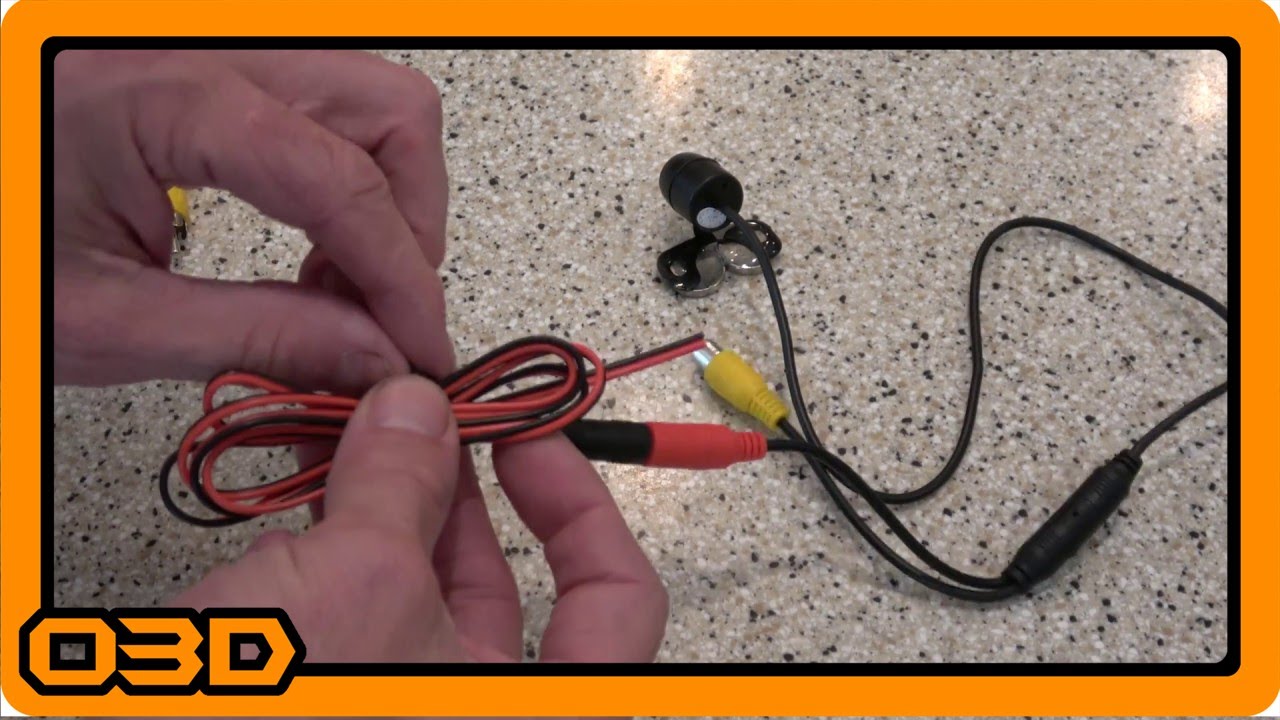
The backup camera in the 2020 Hyundai Kona is a critical safety component linked to the vehicle's electronic infrastructure. During a rear collision, the wiring harness that runs through the liftgate and into the main body can be pinched, stretched, or severed.
Why Diagnostic Scans are Necessary
You might ask, "Why does the shop need to charge for a diagnostic scan if the camera still works?" Modern vehicles store fault codes in their computer systems. If a wire was momentarily shorted or a sensor was unplugged during the repair, the vehicle needs to be scanned to ensure all systems are communicating correctly.
Calibration Requirements
If the camera or the liftgate is replaced, the camera may require calibration. This ensures the parking guide lines on your screen accurately represent the distance to objects behind you. Without calibration, your safety features may actually provide misleading information.
Parts Choice: OEM, Aftermarket, and Recycled
One of the biggest points of contention in a Kona repair is the type of parts used. It is important to understand that your insurance policy—not the repair shop—usually dictates which parts are paid for.
- OEM (Original Equipment Manufacturer): Parts made by Hyundai.
- Aftermarket: Parts made by a third party.
- Recycled (Used): Parts salvaged from a donor vehicle.
For a 2020 model, insurers often push for aftermarket bumper covers or recycled liftgates to manage costs. However, if a recycled liftgate is used, the shop must verify that the wiring harness is compatible with your specific trim level. Features like proximity keys or upgraded audio systems change the wiring requirements; a base model hatch will not simply plug into a Limited or Ultimate trim Kona.
What Should I Do If My Estimate Changes?
If your shop discovers hidden damage, ask them to show you the documentation. A professional shop will take photos of:
- Buckled floor pans or rear body panels.
- Broken internal plastic mounts.
- Pinched wiring or damaged connectors.
A Note on Costs: While you generally have the right to choose your repair facility, the insurance company is typically only required to pay for the "prevailing competitive price" of repairs. If you insist on OEM parts and your policy allows for aftermarket, you may be responsible for the price difference, often called a price markup.
Final Inspection Checklist for the Owner
Before you sign off on the repairs and take delivery of your Kona, perform these practical checks:
- Check the Gaps: Walk around the back and look at the space between the liftgate and the body. The gaps should be uniform and even on both sides.
- Test the Operation: Open and close the hatch several times. It should latch smoothly without requiring extra force.
- Verify the Electronics: Put the car in reverse (with your foot on the brake). Is the camera image clear? Are the guide lines straight?
- Check the Lighting: Ensure the brake lights, turn signals, and license plate lights are all functioning correctly.
- Look Under the Carpet: Lift the cargo floor board and look in the spare tire well. Check for any signs of unpainted metal, remaining glass shards, or moisture.
A rear-end collision on a 2020 Hyundai Kona is rarely just a "fender bender." By understanding that the wiring, camera calibration, and structural alignment are just as important as the paint, you can better navigate the claims process and ensure your vehicle is returned to its pre-accident safety standards.
Disclaimer: Insurance policies and state laws vary. You should always review your specific policy and consult with your insurance representative and a qualified collision professional regarding your repair.



No Comments Yet
Be the first to comment on this article.