Curtis.Castiglione@ROzebra.com
2020 Honda Pilot Front-Corner Collision: Hidden Damages and Costs
Written by Curtis Castiglione
When you look at a 2020 Honda Pilot after a front-corner impact, the damage often appears deceptive. To the untrained eye, it might look like a few scratches on a plastic bumper and a slightly misaligned fender. However, many owners are blindsided when an initial insurance estimate of 1,200 dollars turns into a final repair bill exceeding 4,000 dollars.
This price gap is rarely due to a dishonest shop; it is the result of how modern vehicles are engineered. The 2020 Honda Pilot is designed with layers of components that collapse or shift to protect the main structure, often hiding significant damage behind flexible exterior panels.
Why Did My Estimate Change After the Repair Started?
The primary reason for a price jump is the transition from a visual estimate to a blueprinting process.
An insurance adjuster or a shop estimator usually writes the first estimate based only on what they can see while the vehicle is fully assembled. This is known as a preliminary estimate. On a Honda Pilot, the front bumper cover is a large piece of plastic that acts like a skin. Because plastic is flexible, it can pop back into its original shape after an impact, leaving only a scuff.
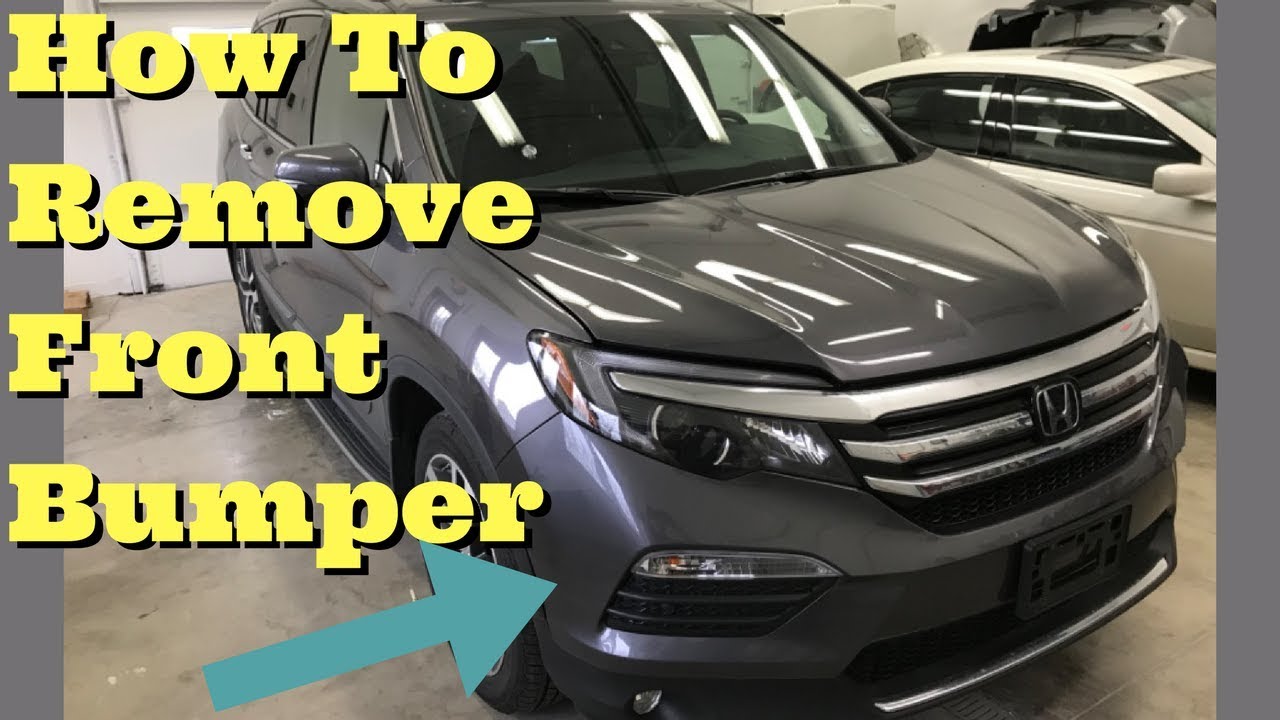
However, the components underneath—the fog lamp brackets, fender mounting flanges, and the windshield washer reservoir—are often made of brittle plastic or thin-gauge metal. They break or bend even if the outer bumper looks fine. Once the shop performs a teardown (removing the bumper and fender), they discover these broken parts. The shop then submits a supplement to the insurance company, which is a request for additional funds to cover the newly discovered damage.
Inspecting the Hidden Structure: Three Critical Areas
A front-corner collision on a Pilot involves three specific zones that require professional inspection to ensure the vehicle is safe and aesthetically restored.
1. Fender and Bumper Mounting Flanges
The 2020 Honda Pilot uses specific metal and plastic brackets to keep the bumper aligned with the fender. If the mounting flanges on the fender are even slightly distorted, the new bumper will not sit flush, creating gaps that indicate a poor repair. Straightening these flanges or replacing the fender adds labor hours and paint time that are rarely captured in an initial walk-around estimate.
2. The Fog Lamp Assembly
If your Pilot is equipped with fog lamps, the damage is rarely limited to the glass lens.
- Mounting Tabs: The plastic tabs that hold the lamp to the inner bumper are prone to snapping.
- Wiring Harness: The wiring runs directly along the impact zone. A pinched wire can lead to electrical shorts or cause ghost warning lights on your dashboard weeks after the repair is finished.
3. Wheel-Well Structure and Liners
The plastic wheel-well liner is more than just a splash guard; it protects the engine bay and sensitive electrical components from road debris and moisture.
- Displacement: During a collision, these liners are often torn or pushed back toward the suspension.
- The Rubbing Issue: If they are not replaced or properly reshaped, they can contact the tire during sharp turns. This creates a loud scrubbing noise and can eventually cause premature tire failure.
The Role of Technology and ADAS Calibration
Modern Honda Pilots are equipped with Honda Sensing, a suite of Advanced Driver Assistance Systems (ADAS). This includes radar sensors and cameras that manage adaptive cruise control and lane-keeping assist.
Even a minor corner hit can jar these sensors out of alignment. If a bumper is removed and reinstalled, or if the vehicle’s geometry is slightly altered by a bent fender bracket, the system may require a professional calibration. This is a specialized mechanical diagnosis and labor operation.

Most insurance policies cover this cost, but it is a significant factor in why modern repairs are expensive. A shop must perform:
- Pre-repair scan: To see if the vehicle's computer has flagged any hidden faults.
- Post-repair scan and calibration: To ensure all safety systems are communicating correctly before the car is returned to the road.
Parts Selection: OEM vs. Aftermarket and Recycled
When the estimate is written, a major point of discussion is the type of parts used.
- OEM (Original Equipment Manufacturer): Parts made by Honda specifically for your Pilot.
- Aftermarket: New parts made by a third-party company.
- Recycled: Used parts taken from a donor vehicle.
Your insurance policy dictates whether the insurer can specify aftermarket or recycled parts. On a 2020 model, using OEM parts is often preferred for fitment, especially regarding the fog lamp housings and bumper brackets. Aftermarket plastic parts may not have the same thickness or clip integrity, leading to gaps in the bodywork. You should review your policy and consult your repair facility to understand what your specific coverage allows.
What Should You Do After the Accident?
If you are involved in a front-corner collision, do not assume the car is fine just because it is drivable.
- Document the Scene: Take clear photographs of the impact zone from multiple angles. If you see the wheel-well liner hanging down or notice your fog lamps are dark, document it immediately.
- Request a Teardown Report: Once the vehicle is at the shop, ask for a copy of the teardown findings. If the shop finds a bent fender flange or a cracked wiring connector, those photographs serve as the evidence needed to justify a supplement to the insurance company.
- Check Your Policy: Insurance coverage, state laws, and repair procedures vary. Some policies may have OEM-only riders, while others allow for the use of alternative parts.
- Communicate: Clear communication between you, the shop, and the insurer is the only way to ensure the vehicle is restored to pre-accident safety standards.
Note: You generally have the right to choose your repair facility, but the insurance company is typically only required to pay for the prevailing competitive labor rate and the parts specified in your policy. Always consult with a qualified professional for a thorough mechanical and structural diagnosis.



No Comments Yet
Be the first to comment on this article.